
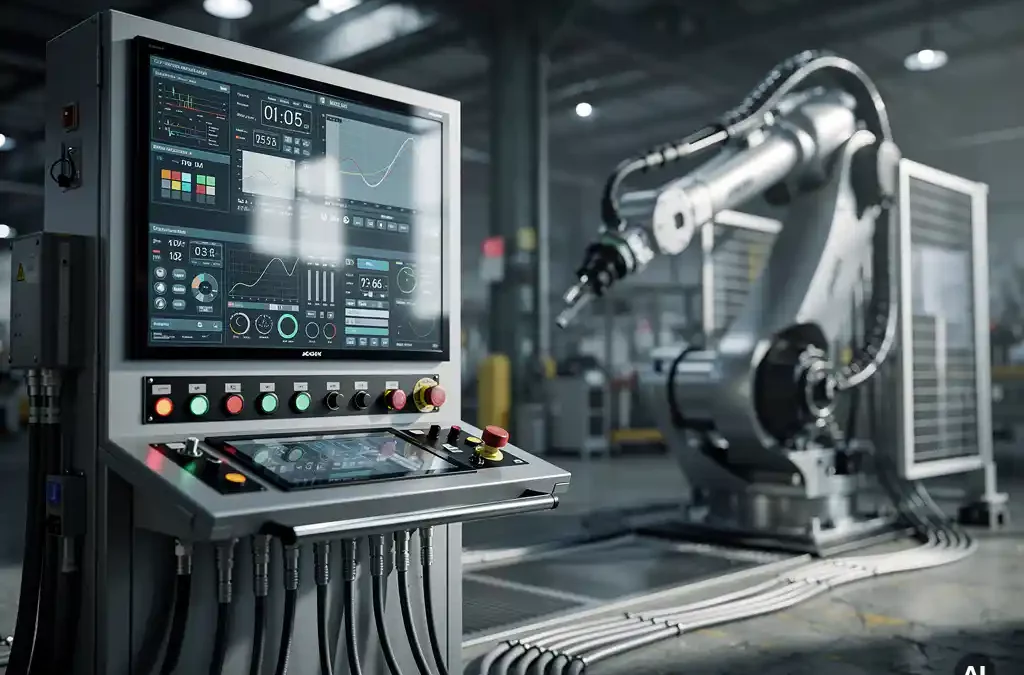
Kepware is a crucial tool in the world of industrial connectivity, bridging the gap between diverse industrial equipment and the digital systems that manage them. This software plays a vital role in ensuring seamless communication across various devices, enhancing the efficiency and reliability of manufacturing operations. By understanding how Kepware works and its benefits, manufacturers can significantly improve their operational processes.
Understanding Kepware and Its Role in Industrial Connectivity
Kepware is a software solution designed to facilitate communication between industrial equipment and enterprise systems. It acts as a translator, converting data from machines into a format that can be easily understood by software applications. This capability is essential for manufacturers looking to integrate their operations with digital platforms.
The primary function of Kepware is to ensure that data from different types of industrial equipment can be accessed and utilized effectively. This is particularly important in environments where multiple types of machines and devices are in use, each with its own communication protocols. By standardizing data exchange, Kepware enables manufacturers to gain real-time insights into their production processes, leading to better decision-making and improved operational efficiency.
How Kepware Connects to Industrial Equipment
Kepware connects to industrial equipment through a variety of communication protocols. These include OPC UA, MQTT, and other industrial standards that allow it to interface with a wide range of devices. By supporting these protocols, Kepware ensures compatibility with both modern and legacy equipment, making it a versatile solution for any manufacturing setting.
Once connected, Kepware collects data from the equipment and translates it into a format that can be used by enterprise software systems. This process involves mapping data points from the machines to resources within the software, enabling seamless integration and data flow. This connectivity is essential for maintaining accurate and up-to-date information about production processes, which is critical for effective manufacturing execution.
Benefits of Using Kepware in Manufacturing
Using Kepware in manufacturing offers several key benefits. Firstly, it improves data accuracy by ensuring that information from industrial equipment is correctly captured and interpreted. This leads to more reliable data-driven decision-making, which is crucial for optimizing production processes.
Additionally, Kepware enhances operational efficiency by enabling real-time monitoring and control of manufacturing processes. This allows manufacturers to identify and address issues as they arise, minimizing downtime and improving overall productivity. Furthermore, by facilitating seamless communication between devices, Kepware supports the implementation of advanced manufacturing strategies, such as predictive maintenance and process optimization.
Common Challenges with Industrial Connectivity and How Kepware Addresses Them
One of the primary challenges in industrial connectivity is managing the diverse range of communication protocols used by different equipment. Kepware addresses this issue by supporting a wide array of protocols, ensuring compatibility across various devices and systems. This reduces the complexity of integrating new equipment into existing operations.
Another challenge is ensuring data security and integrity during transmission. Kepware incorporates robust security features to protect data as it moves between devices and systems. This includes encryption and secure communication channels, which help safeguard sensitive information and maintain the integrity of manufacturing operations.
Integrating Kepware with Mendix for Enhanced Manufacturing Execution
Integrating Kepware with Mendix offers manufacturers a powerful solution for enhancing their manufacturing execution systems. Mendix, a low-code platform, enables rapid development and deployment of applications tailored to specific manufacturing needs. When combined with Kepware, it allows for seamless data integration and process automation.
This integration facilitates real-time data exchange between industrial equipment and Mendix applications, providing manufacturers with comprehensive visibility into their operations. By leveraging the strengths of both platforms, manufacturers can optimize their production processes, improve efficiency, and reduce operational costs. This synergy is particularly beneficial for manufacturers using Factorise, as it enhances the capabilities of their digital shopfloor platform.
Ready to take the first step? We like to start with a fit-gap session: a day or two to understand where you are, which pain points are most urgent, and which modules deliver the fastest value. Book your first fit-gap session. No sales pitch. Just an honest conversation about what's realistic.
Frequently Asked Questions
How does Kepware ensure compatibility with both modern and legacy industrial equipment?
Kepware supports a wide range of communication protocols, including OPC UA and MQTT, which allows it to interface with various types of industrial equipment. This ensures that both modern and legacy devices can be connected, facilitating seamless integration into existing manufacturing operations.
What are some common use cases for Kepware in manufacturing?
Common use cases for Kepware include real-time monitoring of production processes, predictive maintenance, and process optimization. By providing accurate data from industrial equipment, Kepware helps manufacturers make informed decisions to enhance efficiency and reduce downtime.
Can Kepware be integrated with other software platforms besides Mendix?
Yes, Kepware can be integrated with a variety of software platforms, not just Mendix. Its ability to translate data into a standardized format makes it compatible with many enterprise systems, allowing manufacturers to choose the best tools for their specific needs.
What security measures does Kepware implement to protect data during transmission?
Kepware incorporates robust security features such as encryption and secure communication channels to protect data integrity during transmission. These measures help safeguard sensitive information and ensure that data remains accurate and secure throughout the manufacturing process.
How does Kepware contribute to predictive maintenance strategies?
By providing real-time data from industrial equipment, Kepware enables manufacturers to monitor the condition of their machines continuously. This data can be used to predict potential failures and schedule maintenance proactively, reducing unexpected downtime and improving overall equipment efficiency.
What steps should a manufacturer take to implement Kepware in their operations?
To implement Kepware, manufacturers should first assess their current equipment and communication protocols. They should then configure Kepware to connect with their devices, ensuring compatibility and security. Finally, integrating Kepware with their enterprise systems will allow for seamless data flow and enhanced operational insights.
How does Kepware facilitate process optimization in manufacturing?
Kepware facilitates process optimization by providing accurate, real-time data from industrial equipment. This data allows manufacturers to analyze their production processes, identify inefficiencies, and implement improvements. The result is enhanced productivity and reduced operational costs.
Related Articles
- How do you support multiple languages on the shop floor?
- Why do big-bang MES implementations take years?
- How do you give management real-time visibility into production?
- What is a digital shopfloor platform?
- Why does shift handover cause production losses?
- How do you calculate the real cost of downtime in your factory?
- How do you reduce operator errors on the shopfloor?
- How do you connect maintenance and production teams to reduce downtime?
- How do you move from reactive to preventive maintenance in a factory?
- What are the most common causes of machine downtime in a factory?
- What is reactive maintenance and why is it a problem?
- How do you build a performance culture on the shopfloor?
- What is OEE in manufacturing?
- How do you measure performance losses in OEE?
- What is world-class OEE and how far is the average factory from achieving it?