
“`html
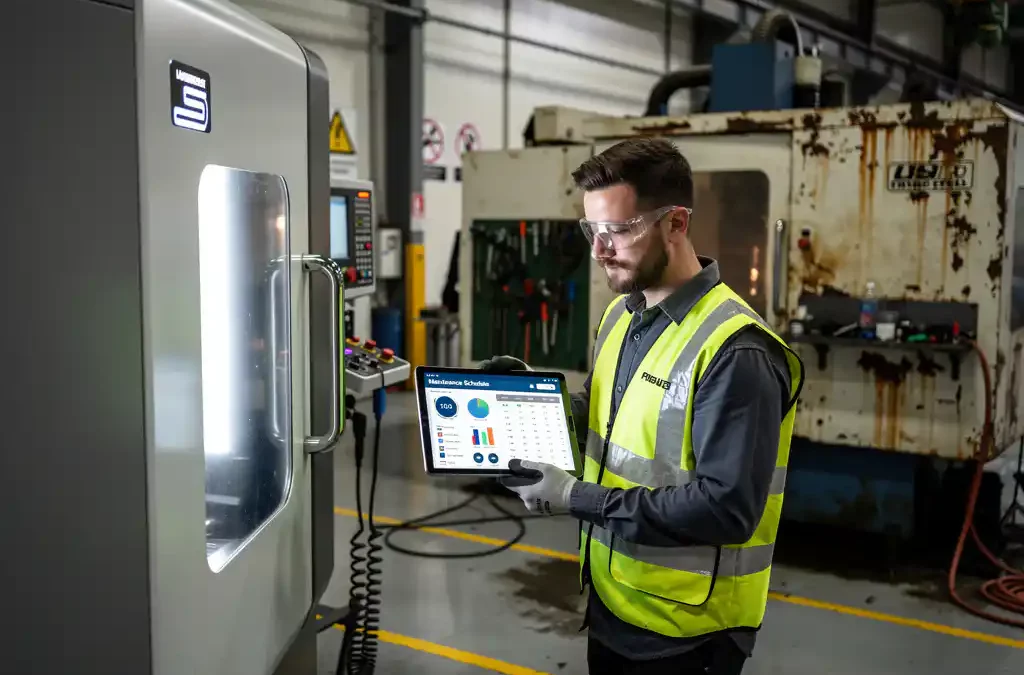
To move from reactive to preventive maintenance in a factory, you need to shift focus from fixing problems as they occur to anticipating and preventing them. This involves regular inspections, scheduled maintenance tasks, and using data analytics to predict potential failures. By implementing preventive strategies, factories can reduce unplanned downtime, enhance equipment longevity, and optimize production efficiency. In this article, we’ll explore the differences between reactive and preventive maintenance, steps to transition, and the tools that support this shift.
What is preventive maintenance and why is it important?
Preventive maintenance is a proactive approach where maintenance tasks are performed regularly to prevent equipment failures. It is important because it helps minimize unplanned downtime, extends the lifespan of machinery, and ensures consistent production quality. By scheduling regular checks and servicing, factories can identify potential issues before they lead to costly breakdowns.
Implementing preventive maintenance involves setting up a schedule for routine inspections and servicing based on equipment usage and manufacturer recommendations. This approach not only reduces the likelihood of unexpected failures but also helps maintain optimal operational efficiency. Furthermore, it supports compliance with industry regulations by ensuring equipment is always in good working condition.
How does reactive maintenance differ from preventive maintenance?
Reactive maintenance involves addressing equipment issues only after they occur, whereas preventive maintenance focuses on regular checks to prevent problems. Reactive maintenance often leads to increased downtime and repair costs, while preventive maintenance aims to minimize these by anticipating issues.
In reactive maintenance, you wait for equipment to fail before taking action, which can result in significant production interruptions and higher repair expenses. On the other hand, preventive maintenance involves planned interventions, such as inspections and part replacements, to keep machinery running smoothly and avoid unexpected breakdowns. This strategic approach not only enhances productivity but also reduces long-term maintenance costs.
What steps can you take to transition from reactive to preventive maintenance?
Transitioning from reactive to preventive maintenance involves several key steps: assessing current maintenance practices, setting up a maintenance schedule, training staff, and leveraging technology for data-driven insights. These steps help systematically reduce unplanned downtime and improve equipment reliability.
First, evaluate your existing maintenance processes to identify areas needing improvement. Next, develop a maintenance schedule based on equipment usage and criticality. Training staff on new procedures is crucial to ensure smooth implementation. Finally, use technology like IoT sensors and maintenance management software to gather data and predict maintenance needs, allowing for timely interventions.
How do you identify the right maintenance strategy for your factory?
Identifying the right maintenance strategy involves evaluating equipment criticality, production goals, and resource availability. A balanced approach combining preventive, predictive, and reactive maintenance tailored to your factory’s needs ensures optimal performance and cost-efficiency.
Start by categorizing equipment based on its impact on production and failure consequences. For critical machinery, prioritize preventive and predictive maintenance to avoid costly downtime. For less critical assets, a combination of preventive and reactive strategies may suffice. Regularly review and adjust your strategy based on performance data and evolving production requirements to maintain alignment with business objectives.
What tools and technologies support preventive maintenance?
Tools and technologies that support preventive maintenance include computerized maintenance management systems (CMMS), IoT sensors, and predictive analytics software. These tools help schedule maintenance tasks, monitor equipment health, and predict potential failures.
CMMS platforms streamline maintenance operations by organizing work orders, tracking inventory, and maintaining historical records. IoT sensors provide real-time data on equipment performance, enabling early detection of anomalies. Predictive analytics software analyzes this data to forecast maintenance needs, allowing for proactive interventions. Together, these technologies enhance maintenance efficiency and reduce unplanned downtime.
How can data analytics improve your maintenance strategy?
Data analytics improves maintenance strategies by providing insights into equipment performance, failure patterns, and maintenance effectiveness. By analyzing historical and real-time data, factories can optimize maintenance schedules, predict failures, and allocate resources more efficiently.
Using data analytics, you can identify trends in equipment failures and adjust maintenance plans accordingly. Predictive models help forecast potential breakdowns, allowing for timely interventions. This data-driven approach not only enhances equipment reliability but also supports continuous improvement in maintenance practices, leading to reduced factory downtime and increased productivity.
What are the benefits of preventive maintenance for your factory’s bottom line?
Preventive maintenance benefits a factory’s bottom line by reducing unplanned downtime, lowering repair costs, and extending equipment lifespan. It enhances production efficiency and ensures consistent product quality, ultimately leading to increased profitability.
By minimizing unexpected breakdowns, preventive maintenance helps maintain steady production schedules and reduces the need for costly emergency repairs. The proactive approach also prolongs the life of machinery, delaying capital expenditures on new equipment. Furthermore, maintaining optimal equipment performance ensures high-quality output, reducing waste and rework costs. Manufacturers have reported significant productivity gains and cost savings through effective preventive maintenance strategies.
At Factorise, we understand the importance of a proactive maintenance strategy. Our digital shopfloor platform offers comprehensive tools to support your maintenance efforts. Ready to take the first step? We like to start with a fit-gap session: a day or two to understand where you are, which pain points are most urgent, and which modules deliver the fastest value. Book your first fit-gap session. No sales pitch. Just an honest conversation about what’s realistic.
“`
Related Articles
- What are the most common causes of machine downtime in a factory?
- What is preventive maintenance in manufacturing?
- What is condition-based maintenance in manufacturing?
- What is unplanned downtime in manufacturing?
- What is the difference between real-time OEE and end-of-shift OEE?
- Why do most factories measure OEE but few act on it?
- What is a loss Pareto in manufacturing?
- Why does inconsistent OEE measurement make improvement impossible?
- How do you improve OEE in manufacturing?
- What is the difference between OEE and TEEP?
- What does OEE stand for?
- What is OEE in manufacturing?
- What is performance in OEE?
- What is the difference between a reactive and a proactive manufacturing operation?
- How do you measure performance losses in OEE?