
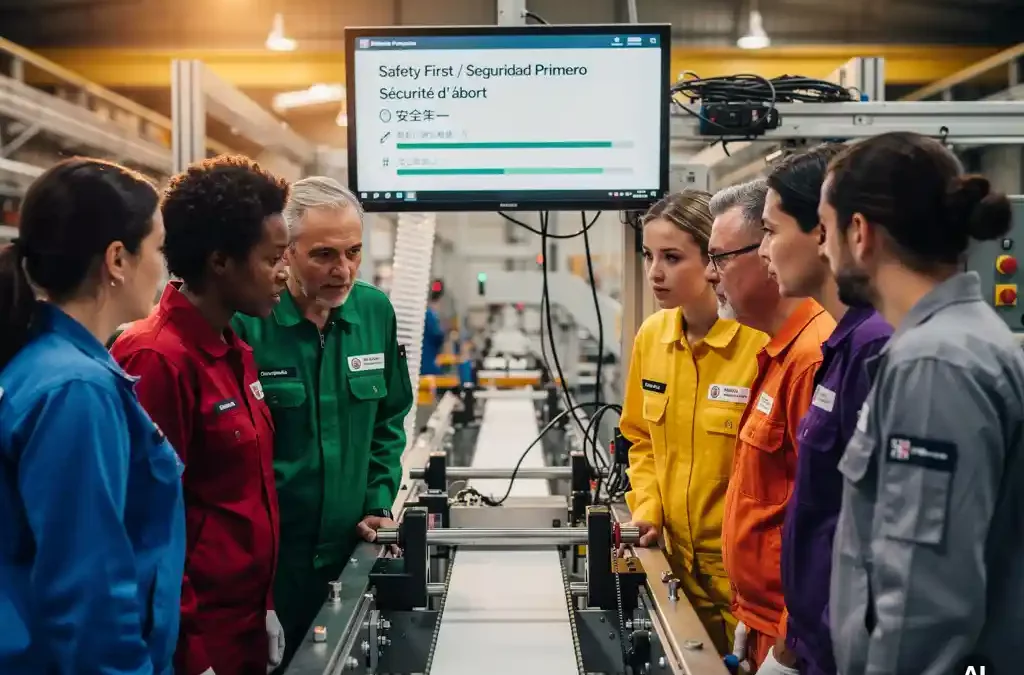
In the diverse world of manufacturing, supporting multiple languages on the shop floor is more important than ever. As global operations expand, the ability to communicate effectively in various languages can significantly impact productivity and safety. This year, many companies are looking to enhance their multilingual capabilities to ensure smooth operations and inclusivity. Understanding the need for multilingual support and the challenges it presents is crucial for any manufacturing business aiming to stay competitive and efficient.
Understanding the Need for Multilingual Support
Multilingual support on the shop floor is essential for ensuring clear communication among workers who may speak different languages. This need arises from the increasingly global nature of manufacturing workforces. Effective communication reduces errors, improves safety, and enhances productivity by ensuring that all employees understand instructions and safety protocols.
Moreover, multilingual support fosters an inclusive work environment. It allows employees to feel valued and understood, which can boost morale and reduce turnover. In a setting where precision and safety are paramount, the ability to communicate in multiple languages is not just a convenience but a necessity.
Challenges in Implementing Language Solutions
Implementing language solutions on the shop floor comes with its own set of challenges. One major obstacle is the cost and complexity of translating technical documents and training materials into multiple languages. This process can be time-consuming and requires a high level of accuracy to avoid misunderstandings.
Another challenge is the integration of multilingual capabilities into existing systems. Many factories rely on legacy systems that are not designed to support multiple languages, making upgrades necessary. Additionally, training staff to use new multilingual tools effectively can be a hurdle if not managed properly.
How Digital Platforms Facilitate Language Integration
Digital platforms play a crucial role in facilitating language integration on the shop floor. These platforms can provide real-time translation of digital work instructions and process guides, ensuring that all employees have access to the same information regardless of their language.
Platforms like Factorise offer multilingual support as a core feature, allowing for seamless integration of language solutions. By using a single data model and user interface, these platforms eliminate silos and reduce the complexity of managing multiple languages. This approach not only simplifies operations but also enhances the overall efficiency of the manufacturing process.
Best Practices for Effective Language Integration
To effectively integrate multiple languages on the shop floor, companies should adopt best practices that ensure smooth implementation and operation. One key practice is to involve employees in the selection and testing of language solutions. This ensures that the tools meet the needs of the workforce and encourages buy-in from the start.
Another best practice is to provide ongoing training and support. Regular training sessions help employees become proficient in using new tools, while ongoing support ensures that any issues are addressed promptly. Additionally, leveraging digital platforms that offer intuitive interfaces can significantly reduce the learning curve for employees.
Case Studies: Success Stories from the Industry
Several manufacturers have successfully implemented multilingual support on their shop floors, leading to significant improvements in productivity and employee satisfaction. For example, one company reported a 28% boost in productivity after deploying a digital platform with multilingual capabilities. This platform allowed workers to access instructions in their preferred language, reducing errors and improving efficiency.
Another success story involves a manufacturer that saw a 40% faster resolution of issues by using a multilingual digital platform. This platform enabled real-time communication between teams, regardless of language barriers, leading to quicker problem-solving and reduced downtime. These examples highlight the tangible benefits of investing in multilingual support for manufacturing operations.
Ready to take the first step? We like to start with a fit-gap session: a day or two to understand where you are, which pain points are most urgent, and which modules deliver the fastest value. Book your first fit-gap session. No sales pitch. Just an honest conversation about what's realistic.
Frequently Asked Questions
How can companies ensure accurate translation of technical documents?
Companies can ensure accurate translation by hiring professional translators who specialize in technical content. Additionally, using translation software with industry-specific glossaries can help maintain consistency and accuracy.
What are some cost-effective ways to implement multilingual support?
To implement multilingual support cost-effectively, companies can leverage digital platforms that offer built-in translation features. Open-source tools and community-driven translation projects can also reduce costs.
How can legacy systems be upgraded to support multiple languages?
Upgrading legacy systems to support multiple languages may involve integrating middleware solutions or using APIs that allow for language translation. Consulting with IT specialists who have experience in multilingual system integration can also be beneficial.
What role does employee training play in successful language integration?
Employee training is crucial for successful language integration. It ensures that staff are comfortable and proficient with new tools, reducing resistance and enhancing productivity. Regular training sessions and workshops can facilitate this process.
How can companies measure the success of multilingual support implementation?
Companies can measure success by tracking key performance indicators such as error rates, productivity levels, and employee satisfaction before and after implementation. Feedback from employees can also provide valuable insights into the effectiveness of the language solutions.
What are the potential risks of not implementing multilingual support?
Not implementing multilingual support can lead to communication breakdowns, increased error rates, and safety incidents. It can also result in lower employee morale and higher turnover rates, impacting overall productivity and efficiency.
Are there any industry standards for multilingual support in manufacturing?
While there are no universal industry standards, many manufacturing companies follow best practices such as ISO certifications that emphasize quality management, which can include multilingual documentation and communication protocols.
Related Articles
- How do you build a business case for shopfloor digitalisation?
- How do you reduce dependency on experienced operators?
- What is the difference between a MES and a CMMS?
- How do you double production output in three years with the same workforce?
- What is the difference between capacity and utilisation in manufacturing?
- What is lean manufacturing and how does it work?
- What is shopfloor management and why does it matter?
- How do you get more output from the same number of machines?
- What factory efficiency losses does OEE not measure?
- What is the difference between planned and unplanned downtime?
- How do you prevent equipment breakdowns in manufacturing?
- What causes low OEE in a factory?
- What does OEE stand for?
- What is world-class OEE and how far is the average factory from achieving it?
- What are the three components of OEE?