
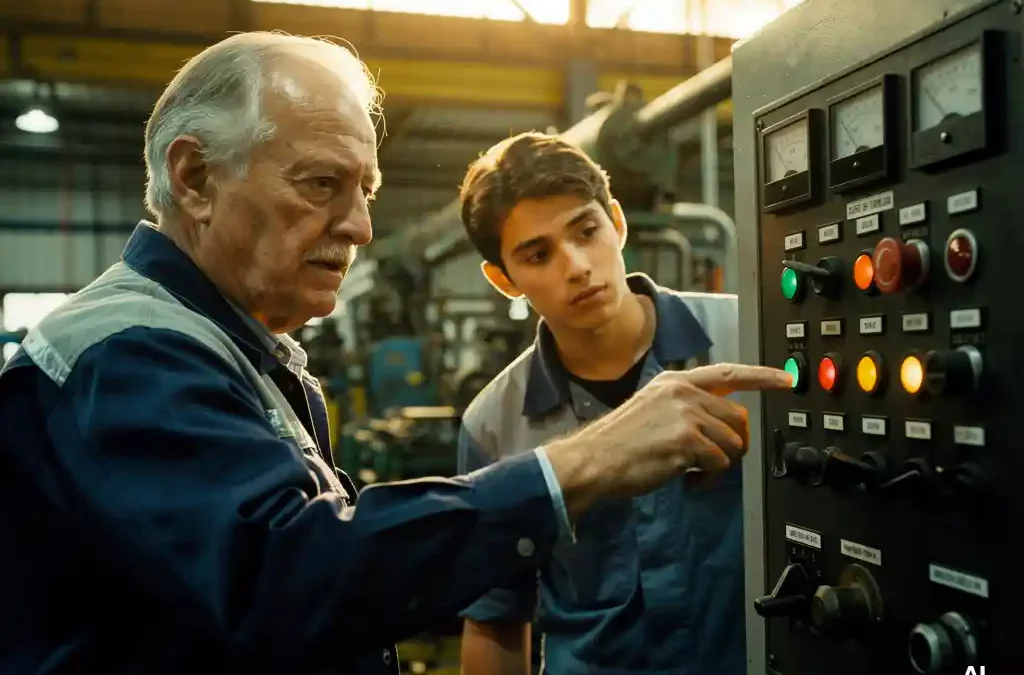
Reducing dependency on experienced operators is a common challenge in the manufacturing industry. As factories aim to increase efficiency and maintain consistent quality, relying heavily on seasoned operators can create bottlenecks and slow down production. By implementing digital manufacturing solutions, companies can streamline processes and ensure that all operators, regardless of experience level, can perform their tasks effectively. This article explores how digital tools and strategies can help reduce reliance on experienced operators, enhance shopfloor efficiency, and improve overall manufacturing performance.
Understanding the Challenge of Operator Dependency
Operator dependency occurs when a manufacturing process relies heavily on the skills and knowledge of experienced workers. This can lead to inefficiencies, especially when these key individuals are unavailable due to vacations, illnesses, or retirements. The absence of experienced operators often results in slower production, increased errors, and higher costs.
In practice, this dependency manifests as longer changeover times, missed quality defects, and inconsistent adherence to standard operating procedures. For instance, a machine might keep tripping a fault code, and only one operator knows the workaround. Such scenarios highlight the risk of relying too much on individual expertise rather than standardized processes.
The Role of Digital Manufacturing in Reducing Dependency
Digital manufacturing plays a crucial role in mitigating operator dependency by standardizing processes and making information readily accessible. Digital work instructions replace paper-based SOPs with structured, version-controlled guidance. This ensures that every operator, regardless of experience, follows the same best practices, leading to consistent quality and efficiency.
Additionally, real-time visibility through dashboards allows supervisors to manage proactively. By having access to live production data, they can make informed decisions quickly, reducing the need for constant oversight by experienced operators. This shift not only enhances operational efficiency but also empowers less experienced staff to perform at higher levels.
Implementing Effective Training Programs
Training programs are essential for equipping new operators with the skills they need to succeed. By focusing on digital tools and standardized processes, training can be more efficient and effective. Digital work instructions help new hires become productive faster, as they provide clear, step-by-step guidance.
Structured issue resolution also plays a part in training. By capturing and analyzing every issue, organizations build a knowledge base that new operators can access. This reduces the learning curve and ensures that common problems are resolved quickly, without relying on experienced operators to provide solutions.
Leveraging Shopfloor Automation for Efficiency
Automation is another powerful tool in reducing dependency on experienced operators. By automating repetitive and administrative tasks, operators can focus on more value-adding activities. For example, automating data capture and reporting frees up time for operators to concentrate on production tasks.
Moreover, AI-driven solutions can make documentation and troubleshooting guides easily searchable. Operators can quickly find answers to their questions, reducing downtime and ensuring that production continues smoothly, even in the absence of experienced staff.
Real-World Examples of Reduced Operator Dependency
Many manufacturers have successfully reduced operator dependency by implementing digital solutions. For example, companies that have adopted digital work instructions report a 40% faster onboarding process for new operators. This not only accelerates productivity but also reduces the burden on experienced staff to constantly train newcomers.
Moreover, manufacturers have seen a 17% improvement in productivity by using skill-based workforce planning. By assigning tasks based on skills rather than headcount, companies ensure that each operator is working at their highest potential, further reducing the reliance on experienced operators.
Addressing Common Objections to Automation
Despite its benefits, automation often faces resistance due to concerns about job displacement and loss of control. However, automation in manufacturing is not about replacing workers but enhancing their capabilities. By automating mundane tasks, operators can focus on more strategic activities that require human insight and creativity.
Furthermore, digital solutions provide a safety net by ensuring that critical knowledge is always accessible. This reduces the risk of errors and enhances overall shopfloor efficiency. For those concerned about the initial investment, the typical results seen in deployments include significant productivity gains and cost savings, making it a worthwhile endeavor.
Ready to take the first step? We like to start with a fit-gap session: a day or two to understand where you are, which pain points are most urgent, and which modules deliver the fastest value. Book your first fit-gap session. No sales pitch. Just an honest conversation about what's realistic.
Frequently Asked Questions
How can digital manufacturing solutions help reduce dependency on experienced operators?
Digital manufacturing solutions standardize processes and provide accessible information, allowing operators of all experience levels to follow best practices. This reduces the need for experienced operators to constantly oversee production, enhancing efficiency and consistency.
What are some common digital tools used in manufacturing to support less experienced operators?
Common digital tools include digital work instructions, real-time dashboards, and AI-driven solutions for documentation and troubleshooting. These tools help standardize processes and provide quick access to information, empowering less experienced operators to perform effectively.
How does automation complement digital manufacturing efforts in reducing operator dependency?
Automation handles repetitive and administrative tasks, allowing operators to focus on more strategic activities. This not only increases efficiency but also reduces the reliance on experienced operators for routine tasks, as automated systems can manage these effectively.
What role does training play in reducing operator dependency?
Training programs focused on digital tools and standardized processes equip new operators with the necessary skills quickly. By using digital work instructions and building a knowledge base, companies can shorten the learning curve and reduce reliance on experienced operators for problem-solving.
Are there any potential downsides to implementing digital manufacturing solutions?
While digital manufacturing solutions offer many benefits, potential downsides include the initial cost of implementation and resistance from staff who may be concerned about job displacement. However, these solutions ultimately aim to enhance job roles and improve efficiency, making the investment worthwhile.
How can manufacturers address resistance to automation among their workforce?
Manufacturers can address resistance by communicating the benefits of automation, such as reducing mundane tasks and enhancing job roles. Involving employees in the implementation process and providing training can also help alleviate concerns and encourage acceptance.
What are the typical results manufacturers see after implementing digital solutions?
Manufacturers often see improvements in productivity, faster onboarding processes for new operators, and reduced reliance on experienced staff. These solutions can lead to significant cost savings and more efficient production processes.
Related Articles
- What is mobile-first design and why does it matter for operators?
- What is the business case for a MES?
- What is lean manufacturing and how does it work?
- What is shopfloor management and why does it matter?
- What is a skill matrix in manufacturing?
- How do regulated manufacturers manage work instruction compliance?
- What does an audit finding related to work instructions look like?
- What is a connected worker and what tools do they use?
- How do you build a maintenance plan for manufacturing equipment?
- What is the difference between preventive and predictive maintenance?
- What is the relationship between maintenance strategy and OEE?
- What is preventive maintenance in manufacturing?
- What is the difference between OEE and TEEP?
- What is production efficiency in manufacturing?
- What is world-class OEE and how far is the average factory from achieving it?