
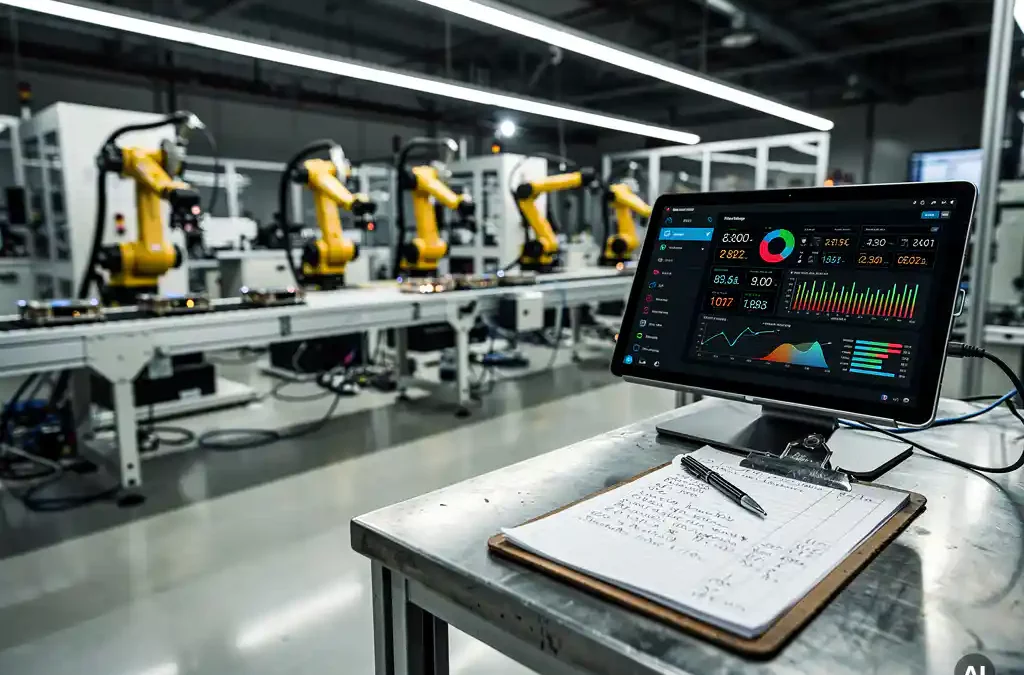
Building a business case for shopfloor digitalisation is crucial for manufacturers looking to modernize their operations. This process involves evaluating the benefits of digital transformation, aligning these with business goals, and overcoming potential challenges. By taking a structured approach, manufacturers can effectively justify the investment in digital tools and technologies that enhance efficiency and productivity.
Understanding the Need for Shopfloor Digitalisation
Shopfloor digitalisation is essential for manufacturers aiming to stay competitive in the modern industrial landscape. It involves integrating digital technologies to streamline processes, improve data accuracy, and enhance operational efficiency. By adopting digital solutions, manufacturers can transition from manual to automated processes, reducing errors and increasing productivity.
The primary driver for digitalisation is the need for real-time data visibility. This allows manufacturers to make informed decisions quickly, enhancing agility and responsiveness. Moreover, digitalisation supports continuous improvement initiatives by providing insights into production metrics and identifying areas for optimization.
Key Components of a Successful Business Case
A compelling business case for shopfloor digitalisation should clearly outline the expected benefits and return on investment (ROI). Start by identifying the specific pain points that digitalisation will address, such as reducing downtime or improving quality control. Quantify these benefits in terms of cost savings, productivity gains, or enhanced customer satisfaction.
Include a phased implementation plan that outlines the steps for digital adoption. This plan should highlight quick wins and long-term goals, demonstrating how digitalisation will evolve over time. Additionally, address potential risks and mitigation strategies to reassure stakeholders of the project's viability.
How to Align Digitalisation with Business Goals
Aligning digitalisation efforts with business goals ensures that the investment supports the overall strategic direction of the company. Begin by mapping digital initiatives to specific business objectives, such as increasing market share or improving operational efficiency. This alignment helps prioritize projects that deliver the most value.
Engage with key stakeholders across the organization to gain buy-in and support for the digitalisation strategy. This collaborative approach ensures that the digital tools implemented are relevant and beneficial to all departments, fostering a culture of innovation and continuous improvement.
Evaluating the Return on Investment (ROI)
Evaluating ROI is a critical step in building a business case for shopfloor digitalisation. Calculate the potential cost savings and productivity improvements that digital tools can bring. Consider factors such as reduced labor costs, decreased material waste, and increased production throughput.
Manufacturers have reported productivity boosts of up to 28% and cost savings of 20% after implementing digital solutions. These figures, while typical, demonstrate the tangible benefits that digitalisation can offer. Ensure that your business case includes similar metrics to illustrate the financial impact of the investment.
Addressing Common Challenges in Digitalisation
Digitalisation projects often face challenges such as resistance to change, integration complexities, and data security concerns. To overcome these, it's important to adopt a stepwise approach, introducing new tools gradually to allow time for adaptation and training.
Address integration challenges by ensuring that new digital tools are compatible with existing systems. This minimizes disruptions and maximizes the benefits of digitalisation. Additionally, prioritize data security by implementing robust measures to protect sensitive information.
What to Look for in a Digitalisation Partner
Choosing the right digitalisation partner is crucial for a successful implementation. Look for partners with a proven track record in the manufacturing industry and expertise in the specific technologies you plan to adopt. They should offer comprehensive support, from initial consultation to post-implementation assistance.
Evaluate potential partners based on their ability to deliver customized solutions that align with your business goals. A good partner will also provide training and support to ensure a smooth transition and maximize the benefits of digitalisation.
Case Studies: Success Stories in Shopfloor Digitalisation
Many manufacturers have successfully implemented shopfloor digitalisation, achieving significant improvements in efficiency and productivity. For example, Pally Biscuits reported a 28% productivity boost and 20% cost savings after deploying digital tools. These results highlight the potential benefits of digitalisation when executed effectively.
Another example is Kemira, which achieved a global rollout across 61 sites with a small team, thanks to a connected worker model. These case studies demonstrate the transformative impact of digitalisation and provide valuable insights for manufacturers considering similar initiatives.
Ready to take the first step? We like to start with a fit-gap session: a day or two to understand where you are, which pain points are most urgent, and which modules deliver the fastest value. Book your first fit-gap session. No sales pitch. Just an honest conversation about what's realistic.
Frequently Asked Questions
How can manufacturers ensure a smooth transition to digitalisation?
Manufacturers can ensure a smooth transition by adopting a phased implementation approach, providing adequate training, and engaging with key stakeholders early in the process to gain buy-in and support.
What are some quick wins in shopfloor digitalisation?
Quick wins in shopfloor digitalisation include automating repetitive tasks, improving data collection and analysis, and enhancing communication between departments to reduce downtime and increase efficiency.
How can digitalisation improve quality control on the shopfloor?
Digitalisation can improve quality control by providing real-time data and analytics, enabling manufacturers to quickly identify and address defects or inefficiencies in the production process.
What role does data security play in shopfloor digitalisation?
Data security is crucial in digitalisation to protect sensitive information from breaches. Implementing robust security measures and ensuring compliance with industry standards can mitigate risks associated with data breaches.
How can manufacturers measure the success of digitalisation initiatives?
Manufacturers can measure success by tracking key performance indicators (KPIs) such as productivity improvements, cost savings, and quality enhancements. Regularly reviewing these metrics helps assess the impact of digitalisation efforts.
What should manufacturers consider when selecting digital tools for their shopfloor?
Manufacturers should consider the compatibility of digital tools with existing systems, the scalability of solutions, and the ability to customize tools to meet specific operational needs. Partnering with experienced providers can also ensure successful implementation.
How can digitalisation support continuous improvement initiatives?
Digitalisation supports continuous improvement by providing insights into production processes, identifying areas for optimization, and enabling data-driven decision-making to enhance overall operational efficiency.
Related Articles
- What is mobile-first design and why does it matter for operators?
- How do you scale a shopfloor rollout across multiple sites?
- What is a fit-gap analysis before an MES implementation?
- What is Mendix and how is it used in manufacturing software?
- What are the biggest risks when implementing a MES?
- How do manufacturers benchmark their own performance?
- What is the difference between capacity and utilisation in manufacturing?
- How do you calculate the real cost of downtime in your factory?
- What are digital work instructions in manufacturing?
- What is a skill matrix in manufacturing?
- Why does the same machine keep breaking down?
- What is MTTR in manufacturing?
- What is MTBF and how do you calculate it?
- How to reduce downtime in manufacturing?
- How is OEE calculated?