
“`html
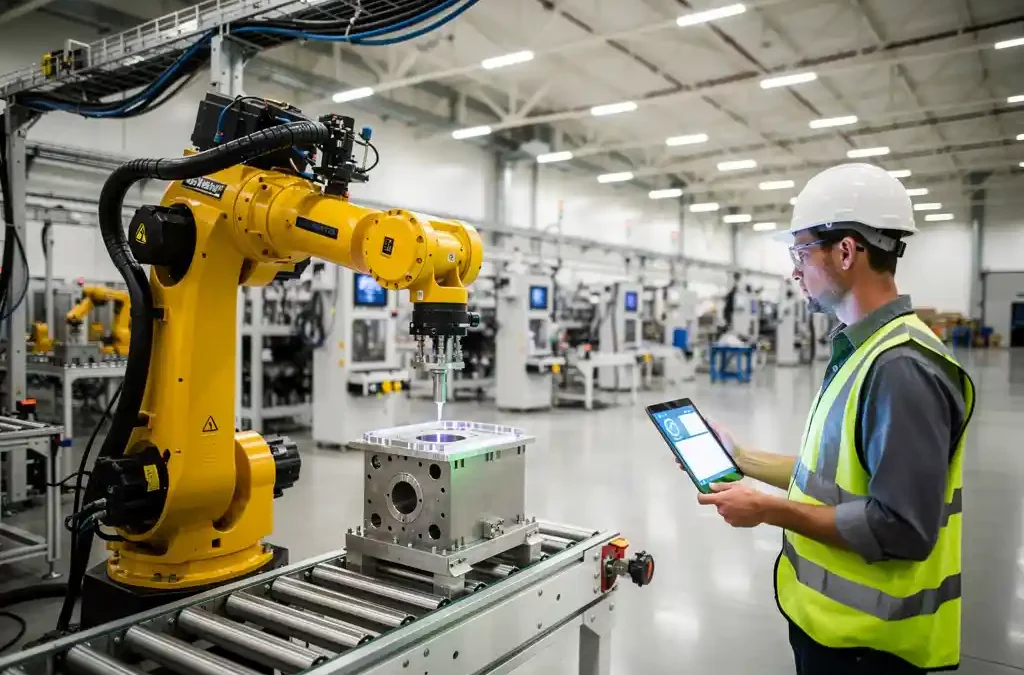
Reducing downtime in manufacturing involves implementing strategies like predictive maintenance, staff training, automation, real-time data monitoring, and improved production scheduling. Each approach targets specific causes of downtime, such as equipment failure or inefficient processes, to enhance overall productivity. This article explores these methods in detail, providing actionable insights for manufacturers aiming to minimize downtime effectively.
What is downtime in manufacturing?
Downtime in manufacturing refers to periods when production is halted due to equipment failure, maintenance, or other disruptions. It can be planned, like scheduled maintenance, or unplanned, such as unexpected equipment breakdowns. Understanding downtime is crucial for improving efficiency and reducing costs, as it directly impacts production schedules and profitability.
Unplanned downtime is particularly costly because it disrupts production without warning, leading to delays and increased operational expenses. Factors contributing to downtime include machine malfunctions, lack of materials, and inefficient processes. By identifying these issues, manufacturers can implement targeted solutions to minimize downtime and enhance productivity.
How can predictive maintenance reduce downtime?
Predictive maintenance reduces downtime by using data analytics to predict equipment failures before they occur. This proactive approach allows manufacturers to schedule maintenance during non-peak hours, avoiding unexpected breakdowns. Predictive maintenance relies on real-time data from sensors and historical performance records to forecast when a machine is likely to fail.
By implementing predictive maintenance, factories can significantly decrease unplanned downtime, increase equipment lifespan, and reduce maintenance costs. This strategy not only improves operational efficiency but also enhances the reliability of production processes. Manufacturers have reported up to a 30% reduction in maintenance costs and a 40% decrease in downtime through predictive maintenance strategies.
What role does staff training play in minimizing downtime?
Staff training plays a critical role in minimizing downtime by ensuring that employees are equipped to handle equipment and processes efficiently. Well-trained staff can quickly identify and address issues, reducing the time machines are offline. Training programs should focus on operational procedures, troubleshooting, and maintenance tasks.
Effective training empowers employees to perform routine checks and minor repairs, preventing small issues from escalating into major disruptions. Additionally, cross-training staff in multiple roles can provide flexibility, ensuring that production continues smoothly even if key personnel are unavailable. This approach not only minimizes downtime but also fosters a culture of continuous improvement and operational excellence.
How does automation contribute to reducing downtime?
Automation reduces downtime by streamlining production processes and minimizing human error. Automated systems can operate continuously without fatigue, ensuring consistent quality and efficiency. By integrating automation, manufacturers can achieve faster production cycles and reduce the likelihood of errors that lead to downtime.
Automation technologies, such as robotic process automation (RPA) and automated guided vehicles (AGVs), can handle repetitive tasks, freeing up human workers for more complex activities. This not only enhances productivity but also reduces the risk of accidents and equipment damage. As a result, manufacturers experience fewer interruptions and a more reliable production schedule.
Why is real-time data monitoring important for downtime reduction?
Real-time data monitoring is crucial for downtime reduction as it provides immediate insights into production processes, allowing for a quick response to potential issues. By continuously tracking machine performance and environmental conditions, manufacturers can identify anomalies and address them before they lead to downtime.
Implementing real-time monitoring systems enables factories to maintain optimal operating conditions and prevent unexpected breakdowns. This approach also facilitates data-driven decision-making, helping managers optimize production schedules and resource allocation. In similar environments, teams have seen a 20% reduction in downtime through effective real-time monitoring.
What strategies can improve production scheduling to reduce downtime?
Improving production scheduling involves optimizing the sequence and timing of operations to minimize idle time and ensure efficient resource use. Strategies include using advanced planning and scheduling (APS) systems, which consider constraints like machine availability and workforce capacity. These systems help create realistic schedules that accommodate maintenance and unexpected delays.
Another effective strategy is implementing flexible manufacturing systems (FMS) that allow for quick adjustments to production plans in response to changing demands or disruptions. By adopting these approaches, manufacturers can reduce bottlenecks, enhance throughput, and decrease downtime. Factorise’s digital shopfloor platform supports these strategies by providing real-time insights and facilitating seamless communication across the production floor.
Ready to take the first step? We like to start with a fit-gap session: a day or two to understand where you are, which pain points are most urgent, and which modules deliver the fastest value. Book your first fit-gap session. No sales pitch. Just an honest conversation about what’s realistic.
“`
Related Articles
- How do you prevent equipment breakdowns in manufacturing?
- What is condition-based maintenance in manufacturing?
- How do you start measuring OEE if you have never done it before?
- Why do most factories measure OEE but few act on it?
- What is the average OEE in manufacturing?
- How do you improve OEE in manufacturing?
- Why is 85% OEE considered world-class?
- What does OEE stand for?
- What is a good OEE score for a manufacturing plant?
- What is production efficiency in manufacturing?
- What is performance in OEE?
- How do you know if your factory is performing as well as it should be?
- What is the difference between a reactive and a proactive manufacturing operation?
- How do you measure performance losses in OEE?
- How do you calculate availability in OEE?