
“`html
Building a performance culture on the shopfloor involves creating an environment where continuous improvement, accountability, and data-driven decision-making are integral to daily operations. This culture is nurtured by setting clear expectations, providing the right tools and training, and fostering open communication. In manufacturing, this approach leads to enhanced production efficiency and reduced production loss, ultimately optimizing production capacity utilization.
What is a performance culture on the shopfloor?
A performance culture on the shopfloor is a work environment where employees are motivated to continuously improve efficiency and quality. It emphasizes data-driven decision-making, accountability, and teamwork to enhance production performance. This culture supports operators and supervisors in identifying production losses and implementing optimization strategies.
In practice, a performance culture involves setting clear goals, using metrics like Overall Equipment Effectiveness (OEE), and encouraging proactive problem-solving. It also requires empowering employees with the skills and tools needed to make informed decisions, thereby reducing production loss and enhancing capacity utilization.
Why is building a performance culture important in manufacturing?
Building a performance culture is crucial in manufacturing because it leads to improved production efficiency and reduced waste. It fosters an environment where employees are engaged and motivated to optimize processes, which directly impacts production capacity utilization. This culture helps manufacturers stay competitive by minimizing production loss and maximizing resource use.
Moreover, a performance culture supports innovation and adaptability, enabling manufacturers to respond swiftly to market changes. By focusing on continuous improvement, companies can enhance their production performance and achieve sustainable growth.
How can you assess the current culture on your shopfloor?
Assessing the current culture on your shopfloor involves evaluating employee engagement, communication effectiveness, and adherence to standard operating procedures. Conduct surveys, observe daily operations, and review performance metrics to gain insights into the existing culture. This assessment helps identify areas for improvement in production optimization.
Look for signs of production loss, such as frequent downtime or quality issues, which may indicate a need for cultural change. Engaging with employees through feedback sessions can also provide valuable insights into their perceptions and suggestions for enhancing the shopfloor culture.
What are the steps to implement a performance culture?
Implementing a performance culture involves several key steps: setting clear goals, providing training, fostering open communication, and using data to drive decisions. Start by defining performance metrics like OEE and setting targets for production efficiency. Train employees in problem-solving and data analysis to empower them to make informed decisions.
Encourage open communication by creating forums for feedback and discussion. Use real-time data to identify production losses and implement corrective actions. Regularly review progress and adjust strategies to ensure continuous improvement and optimization of production capacity.
How do you engage employees in a performance culture?
Engaging employees in a performance culture requires clear communication, recognition of achievements, and opportunities for growth. Involve employees in setting goals and decision-making processes to foster a sense of ownership. Recognize and reward contributions to production optimization and efficiency improvements.
Provide ongoing training and development opportunities to enhance skills and knowledge. Encourage collaboration and teamwork to solve production issues collectively. By creating a supportive environment, employees are more likely to embrace the culture and contribute to reducing production loss.
Which tools can support a performance culture on the shopfloor?
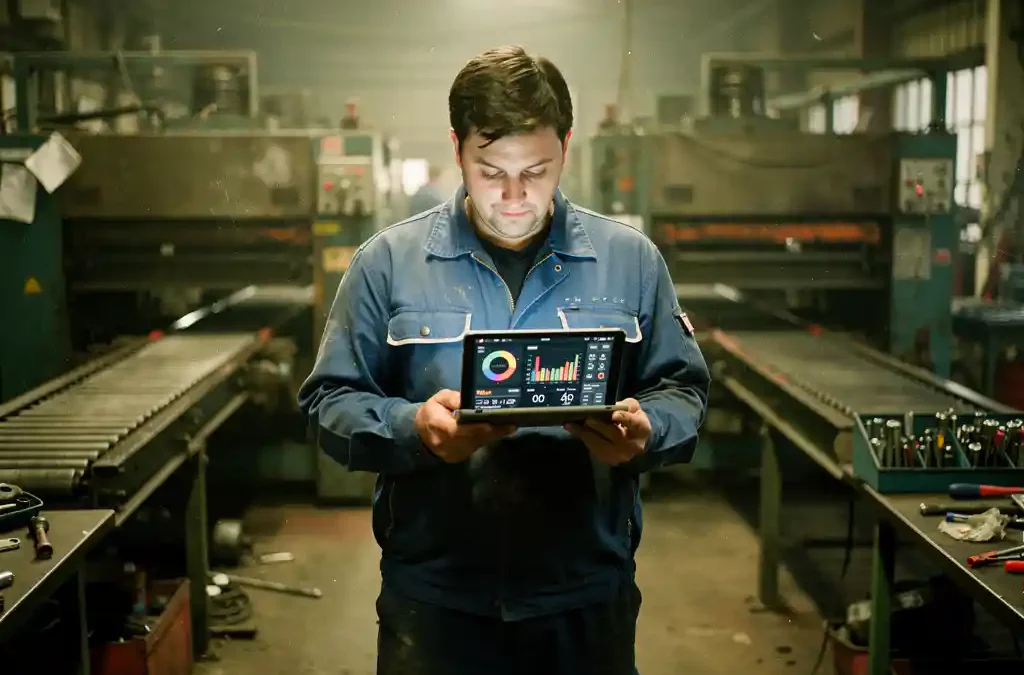
Tools that support a performance culture on the shopfloor include digital work instructions, real-time monitoring systems, and performance dashboards. These tools provide operators with the information needed to make informed decisions and optimize production performance. They help identify production losses and areas for improvement efficiently.
Factorise offers a composable digital shopfloor platform that integrates seamlessly with existing systems. It provides real-time data, enabling teams to monitor production capacity utilization and address issues promptly. This platform supports the development of a robust performance culture by facilitating data-driven decision-making.
How can you measure the success of a performance culture?
The success of a performance culture can be measured by tracking improvements in production efficiency, reductions in production loss, and enhanced capacity utilization. Use metrics like OEE to evaluate performance and identify areas for further optimization. Regularly review these metrics to ensure continuous progress.
Manufacturers have reported typical results such as a 28% productivity boost and 40% faster issue resolution after implementing a performance culture. By consistently measuring these outcomes, companies can assess the effectiveness of their cultural initiatives and make necessary adjustments to maintain momentum.
At Factorise, we understand the importance of a performance culture in manufacturing. Our platform is designed to support your journey towards optimizing production efficiency and reducing losses. Explore our digital manufacturing solutions to see how we can help you achieve your goals.
Ready to take the first step? We like to start with a fit-gap session: a day or two to understand where you are, which pain points are most urgent, and which modules deliver the fastest value. Book your first fit-gap session. No sales pitch. Just an honest conversation about what’s realistic.
“`
Related Articles
- How do you track machine downtime in a factory?
- What is the difference between planned and unplanned downtime?
- How do you prevent equipment breakdowns in manufacturing?
- What is reactive maintenance and why is it a problem?
- What is condition-based maintenance in manufacturing?
- How do you improve production efficiency in a factory?
- How do you start measuring OEE if you have never done it before?
- What is ISO 22400 and what does it have to do with OEE?
- Why do most factories measure OEE but few act on it?
- What is the average OEE in manufacturing?
- Why is 85% OEE considered world-class?
- What is a good OEE score for a manufacturing plant?
- How do you know if your factory is performing as well as it should be?
- What is quality in OEE?
- How do you calculate availability in OEE?