
“`html
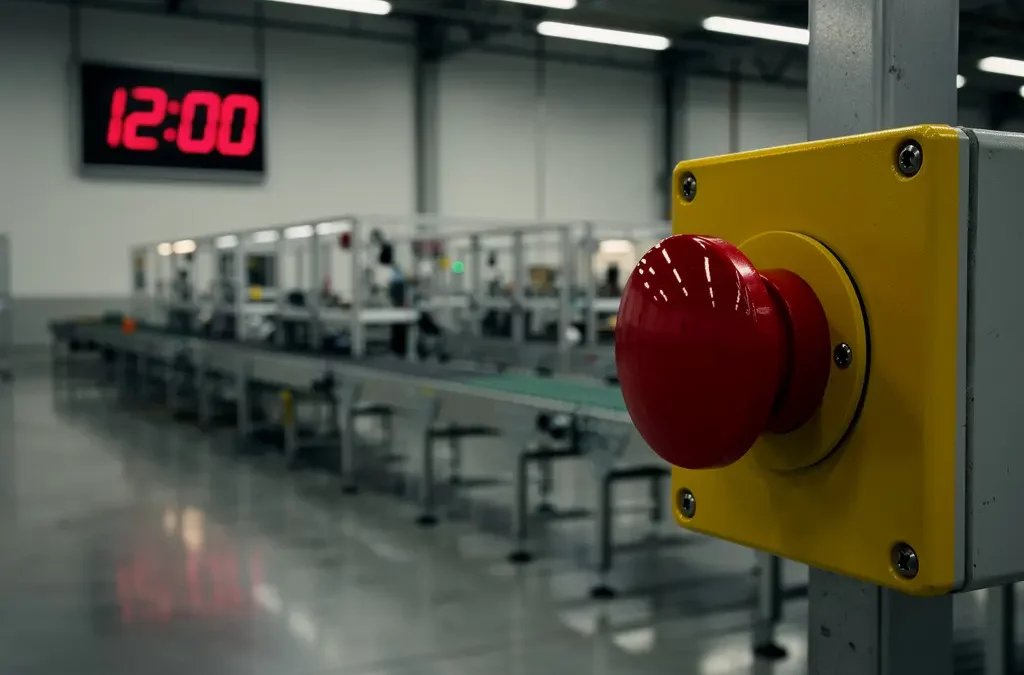
Unplanned downtime in manufacturing refers to unexpected stops in production due to equipment failures, material shortages, or other unforeseen issues. These interruptions can significantly impact a factory’s output and efficiency. Addressing unplanned downtime is crucial for maintaining production schedules and minimizing costs, as it directly affects the overall equipment effectiveness (OEE) of a manufacturing operation. In this article, we’ll explore the causes, impacts, and solutions for unplanned downtime in manufacturing.
What is unplanned downtime in manufacturing?
Unplanned downtime in manufacturing is any unscheduled halt in production caused by unforeseen equipment failures, material shortages, or operational issues. Unlike planned downtime, which is scheduled for maintenance or upgrades, unplanned downtime disrupts production unexpectedly, leading to potential delays and increased costs. It is a critical factor in calculating Overall Equipment Effectiveness (OEE), as it directly affects availability.
Understanding unplanned downtime is essential for manufacturers aiming to improve efficiency. It often results from equipment failures, human errors, or supply chain disruptions. By identifying and addressing these issues, manufacturers can reduce downtime and enhance productivity.
How does unplanned downtime impact production efficiency?
Unplanned downtime negatively impacts production efficiency by causing delays, increasing operational costs, and reducing overall output. When production halts unexpectedly, it disrupts the workflow, leading to idle resources and potential bottlenecks. This inefficiency can decrease a factory’s OEE, affecting its competitiveness and profitability.
Moreover, frequent unplanned downtime can erode employee morale and lead to a reactive maintenance culture, where resources are spent on fixing problems rather than preventing them. By minimizing unplanned downtime, manufacturers can maintain a steady production flow, optimize resource utilization, and improve overall efficiency.
What are common causes of unplanned downtime?
Common causes of unplanned downtime in manufacturing include equipment failures, human errors, material shortages, and software malfunctions. Equipment failures, such as breakdowns or malfunctions, are often due to inadequate maintenance or aging machinery. Human errors can arise from insufficient training or miscommunication during shift handovers.
Material shortages occur when inventory management is not aligned with production needs, leading to delays. Software malfunctions can disrupt automated processes, causing unexpected stops. Identifying these root causes is crucial for implementing effective strategies to reduce unplanned downtime.
How can manufacturers reduce unplanned downtime?
Manufacturers can reduce unplanned downtime by implementing preventive maintenance, improving training, and enhancing communication. Preventive maintenance involves regular inspections and servicing of equipment to prevent failures. This proactive approach helps identify potential issues before they cause downtime.
Improving training ensures that operators are well-equipped to handle machinery and respond to issues promptly. Enhancing communication, particularly during shift handovers, ensures that critical information is passed on effectively, reducing errors and delays. By adopting these strategies, manufacturers can significantly minimize unplanned downtime and improve productivity.
What tools help monitor and prevent unplanned downtime?
Tools that help monitor and prevent unplanned downtime include condition monitoring systems, predictive maintenance software, and integrated shop floor platforms like Factorise. Condition monitoring systems track equipment performance in real time, alerting operators to potential issues before they lead to downtime.
Predictive maintenance software analyzes data to predict when equipment might fail, allowing for timely interventions. Integrated platforms, such as Factorise, connect machines, people, and processes, providing a unified view of operations and enabling proactive management of downtime risks.
Why is addressing unplanned downtime important for manufacturers?
Addressing unplanned downtime is important for manufacturers because it enhances productivity, reduces costs, and improves competitiveness. By minimizing unexpected production halts, manufacturers can maintain consistent output levels, meet customer demands, and optimize resource utilization.
Moreover, reducing unplanned downtime contributes to a safer work environment and boosts employee morale by fostering a proactive maintenance culture. Manufacturers have reported productivity boosts and cost savings by effectively managing downtime. For more insights on digital manufacturing solutions, visit Factorise’s digital manufacturing page.
Ready to take the first step? We like to start with a fit-gap session: a day or two to understand where you are, which pain points are most urgent, and which modules deliver the fastest value. Book your first fit-gap session. No sales pitch. Just an honest conversation about what’s realistic.
“`
Related Articles
- What is the cost of unplanned downtime in manufacturing?
- What is the difference between planned and unplanned downtime?
- What is MTTR in manufacturing?
- How to reduce downtime in manufacturing?
- How do you start measuring OEE if you have never done it before?
- Why does inconsistent OEE measurement make improvement impossible?
- How do you use OEE data to prioritise improvement?
- What is the average OEE in manufacturing?
- How do you improve OEE in manufacturing?
- Does the 85% OEE benchmark apply to every type of factory?
- How do you solve recurring problems on the shopfloor?
- What is quality in OEE?
- How do you calculate availability in OEE?
- What is world-class OEE and how far is the average factory from achieving it?
- What are the three components of OEE?