
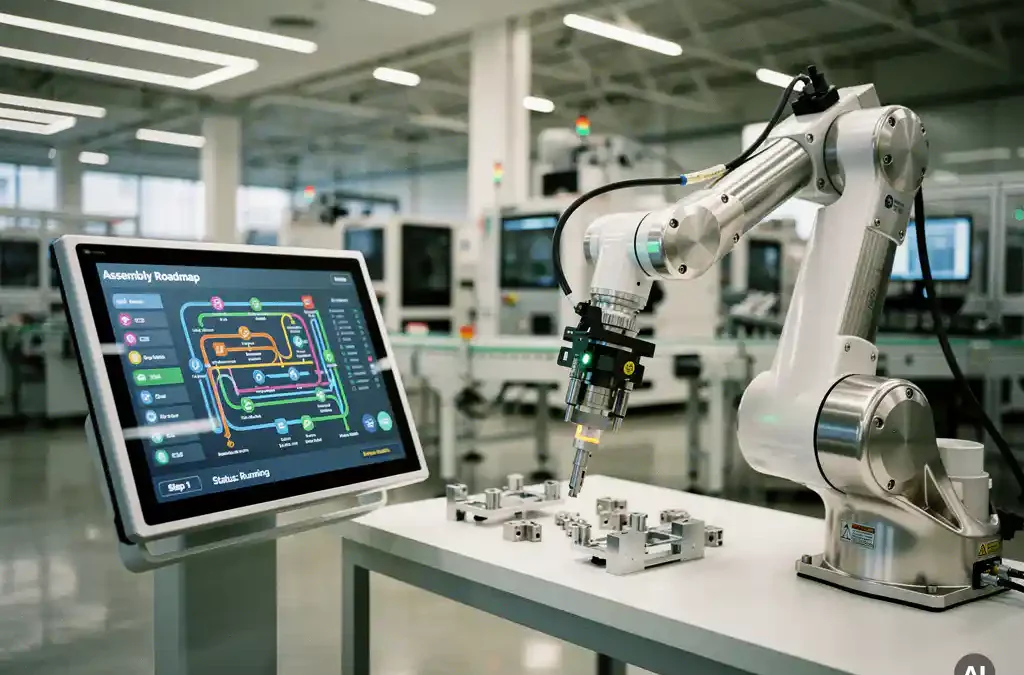
Digitalising the shopfloor is no longer a futuristic concept; it's a practical necessity for manufacturers aiming to enhance efficiency and competitiveness. A well-structured digitalisation roadmap can transform operations, ensuring smoother workflows, better data management, and improved productivity. This year, many factories are exploring how to effectively integrate digital tools into their processes. Understanding the key steps involved in this transformation can help you make informed decisions about your factory's future.
Understanding the need for shopfloor digitalisation
Shopfloor digitalisation is crucial for modern manufacturing. It addresses the need for real-time data, streamlined operations, and enhanced productivity. By adopting digital tools, factories can reduce manual errors, improve communication, and ensure that every process is traceable and efficient. This transformation is not just about technology; it's about redefining how work gets done on the shopfloor.
The demand for digitalisation stems from the challenges faced by traditional manufacturing setups. These include inefficient manual processes, lack of real-time data, and difficulty in maintaining consistent quality. Digital tools offer solutions by providing insights into every aspect of production, from machine performance to workforce management. This visibility helps in making informed decisions that drive productivity and cost savings.
Key steps in a digital transformation roadmap
A successful digital transformation roadmap begins with a clear understanding of your current processes and the identification of areas that need improvement. The first step is to assess your existing infrastructure and determine the digital tools that align with your goals. This involves evaluating your production lines, workforce capabilities, and current data management practices.
Next, it's essential to prioritise the implementation of digital solutions that offer the most immediate benefits. This could include deploying digital work instructions, implementing real-time performance tracking systems, or enhancing quality assurance processes. Each step should be carefully planned to ensure minimal disruption to ongoing operations. The goal is to gradually integrate digital tools that enhance efficiency and productivity.
How to choose the right digital tools for your factory
Selecting the right digital tools requires a thorough understanding of your factory's unique needs. Start by identifying the specific challenges you face, such as inefficient changeovers or inconsistent quality control. Look for solutions that address these pain points directly, offering features like real-time monitoring, automated reporting, and enhanced traceability.
Consider tools that integrate seamlessly with your existing systems and offer scalability for future growth. It's also important to involve your team in the decision-making process, ensuring that the tools you choose are user-friendly and meet their operational needs. This collaborative approach ensures a smoother transition and greater acceptance of new technologies.
Overcoming common challenges in digitalisation
Digitalisation can present several challenges, including resistance to change, integration issues, and data security concerns. To overcome these, it's crucial to foster a culture of openness and continuous learning within your organisation. Encourage your team to embrace new technologies by providing adequate training and support.
Integration challenges can be addressed by choosing digital solutions that are compatible with your existing systems. Additionally, implementing robust data security measures ensures that your digital transformation efforts do not compromise sensitive information. By addressing these challenges proactively, you can pave the way for a successful digitalisation journey.
What to expect from a digitalised shopfloor
A digitalised shopfloor offers numerous benefits, including enhanced productivity, reduced costs, and improved quality control. Manufacturers have reported typical results such as a 28% productivity improvement and 20% cost savings. These benefits stem from faster changeovers, reduced waste, and more efficient shift handovers.
With digital tools, you can expect real-time insights into production performance, enabling quicker decision-making and more effective issue resolution. This level of visibility and control transforms the shopfloor into a dynamic environment where every process is optimised for efficiency and quality.
How Factorise supports your digital journey
At Factorise, we understand the complexities of digitalising the shopfloor. Our platform offers a comprehensive suite of tools designed to address every aspect of your operations, from production execution to workforce excellence. We focus on delivering tangible results quickly, with manufacturers typically seeing improvements within six weeks of deployment.
Ready to take the first step? We like to start with a fit-gap session: a day or two to understand where you are, which pain points are most urgent, and which modules deliver the fastest value. Book your first fit-gap session. No sales pitch. Just an honest conversation about what's realistic.
Frequently Asked Questions
What are the initial steps to start digitalising my shopfloor?
Begin by assessing your current processes and infrastructure to identify areas for improvement. Determine which digital tools align with your goals and prioritize those that offer immediate benefits.
How can I ensure a smooth transition to digital tools on the shopfloor?
Involve your team in the decision-making process to ensure the tools are user-friendly and meet operational needs. Provide adequate training and support to foster acceptance and ease the transition.
What should I consider when choosing digital tools for my factory?
Look for tools that address your specific challenges, integrate seamlessly with existing systems, and offer scalability for future growth. Ensure they provide features like real-time monitoring and automated reporting.
How can I overcome resistance to change during digitalisation?
Foster a culture of openness and continuous learning. Encourage your team to embrace new technologies by highlighting the benefits and providing training and support.
What are the common challenges faced during shopfloor digitalisation?
Challenges include resistance to change, integration issues, and data security concerns. Address these by promoting openness, choosing compatible solutions, and implementing robust security measures.
What benefits can I expect from a digitalised shopfloor?
You can expect enhanced productivity, reduced costs, and improved quality control. Digital tools provide real-time insights, enabling quicker decision-making and more effective issue resolution.
How does Factorise support the digitalisation process?
Factorise offers a comprehensive suite of tools designed to enhance production execution and workforce excellence, with manufacturers typically seeing improvements within six weeks of deployment.
Related Articles
- What is Kepware and how does it connect to industrial equipment?
- How do you avoid shadow IT on the shop floor?
- What is cross-site benchmarking in manufacturing?
- What is the business case for a MES?
- Why do new operators make the same mistakes as their predecessors?
- How do you make sure the right operator is doing the right task?
- What is a skill matrix in manufacturing?
- How do you document manufacturing knowledge before it is lost?
- What is the role of AI in helping operators troubleshoot problems?
- How do small and midsize manufacturers benefit from a MES?
- What is the difference between planned and unplanned downtime?
- What is reactive maintenance and why is it a problem?
- What is the difference between real-time OEE and end-of-shift OEE?
- How do you improve OEE in manufacturing?
- Why is the OEE number in most factories inaccurate?