
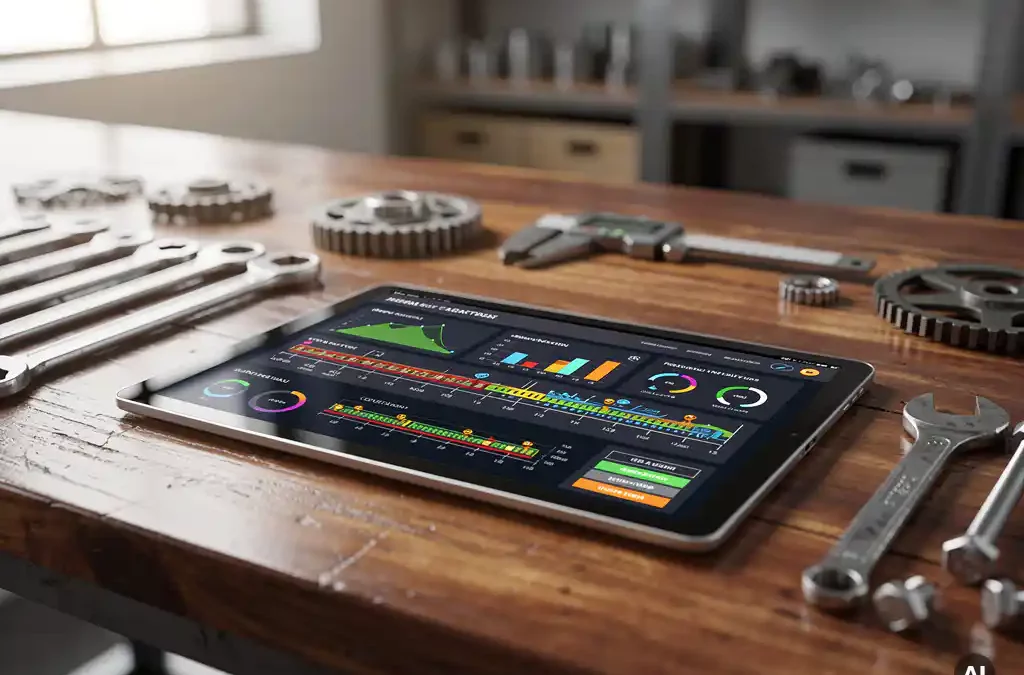
In the world of manufacturing, a digital shopfloor platform is a game-changer. It integrates various aspects of production into a cohesive digital environment, allowing for seamless operations and real-time data access. This year, more manufacturers are turning to these platforms to enhance efficiency and reduce operational bottlenecks. Understanding what a digital shopfloor platform entails can help you make informed decisions about integrating such technology into your operations.
Understanding Digital Shopfloor Platforms
A digital shopfloor platform is a comprehensive software solution designed to streamline manufacturing processes by digitizing operations on the factory floor. It integrates with existing systems to provide real-time insights into production activities, helping manufacturers optimize performance and reduce downtime.
These platforms are built to address common challenges in manufacturing, such as inefficiencies in production execution, lack of visibility into operations, and difficulty in managing workforce skills. By providing a unified view of the shopfloor, they enable better decision-making and more efficient resource allocation.
Key Features of a Digital Shopfloor Platform
One of the standout features of a digital shopfloor platform is its ability to deliver digital work instructions directly to operators. This includes detailed task guidance, materials, tools, and quality checks, ensuring consistency and compliance across shifts. Additionally, real-time visibility is achieved through live dashboards and production order tracking, allowing managers and operators to monitor performance and address issues promptly.
Another critical feature is structured issue resolution. Platforms like Factorise include tools such as the Issue Optimiser, which logs issues and provides a lifecycle view with linked production data. This structured approach helps in identifying root causes and implementing corrective actions efficiently.
Benefits of Implementing a Digital Shopfloor Platform
Implementing a digital shopfloor platform can lead to significant improvements in productivity and cost savings. Manufacturers have reported typical results such as a 28% boost in productivity and a 20% reduction in costs. These benefits stem from faster changeovers, reduced waste, and improved shift handovers.
Moreover, these platforms facilitate better workforce management through tools like the Employee Skill Matrix and Position Manning, ensuring that only qualified operators handle regulated tasks. This not only enhances safety but also improves overall operational efficiency.
How to Choose the Right Digital Shopfloor Platform
Choosing the right digital shopfloor platform involves evaluating your specific needs and the platform's capabilities. Consider factors such as ease of integration with existing systems, scalability, and the ability to provide real-time data across all production lines. It's also important to assess the platform's support for continuous improvement initiatives and its track record in similar environments.
Platforms like Factorise, built on the Mendix platform, offer flexibility and modularity, allowing you to start small and scale as needed. This stepwise approach is particularly beneficial for midmarket manufacturers who need to manage budgets and resources carefully.
Overcoming Challenges in Digital Shopfloor Adoption
Adopting a digital shopfloor platform can present challenges, such as resistance to change from operators and the complexity of integrating new technology with legacy systems. To overcome these challenges, it's crucial to involve all stakeholders from the start and provide adequate training and support.
Another effective strategy is to implement the platform in phases, starting with modules that deliver immediate value. This phased approach helps in building confidence among operators and demonstrates the tangible benefits of digitalization, encouraging broader acceptance.
Future Trends in Digital Shopfloor Technology
Looking ahead, digital shopfloor platforms are expected to become even more sophisticated, with advancements in AI and machine learning playing a significant role. These technologies will enhance predictive maintenance capabilities and further automate decision-making processes, leading to smarter and more efficient manufacturing operations.
Additionally, the trend towards greater connectivity and integration with IoT devices will continue, providing manufacturers with even more granular insights into their operations. As these technologies evolve, digital shopfloor platforms will become an indispensable tool for manufacturers aiming to stay competitive in a rapidly changing industry.
Ready to take the first step? We like to start with a fit-gap session: a day or two to understand where you are, which pain points are most urgent, and which modules deliver the fastest value. Book your first fit-gap session. No sales pitch. Just an honest conversation about what's realistic.
Frequently Asked Questions
What are the main challenges manufacturers face when adopting digital shopfloor platforms?
Manufacturers often encounter resistance to change from operators and the complexity of integrating new technology with legacy systems. To address these challenges, involving all stakeholders early and providing comprehensive training and support is crucial. Implementing the platform in phases can also help build confidence and demonstrate tangible benefits.
How can digital shopfloor platforms improve workforce management?
Digital shopfloor platforms improve workforce management by using tools like the Employee Skill Matrix and Position Manning. These tools ensure that only qualified operators handle specific tasks, enhancing safety and operational efficiency.
What factors should be considered when selecting a digital shopfloor platform?
When selecting a digital shopfloor platform, consider its ease of integration with existing systems, scalability, real-time data capabilities, and support for continuous improvement. It's also important to review the platform's track record in similar environments and its flexibility to start small and scale as needed.
How do digital shopfloor platforms contribute to cost savings?
These platforms contribute to cost savings by improving productivity, reducing waste, and enhancing shift handovers. Manufacturers have reported up to a 20% reduction in costs due to faster changeovers and better resource allocation.
What future trends can we expect in digital shopfloor technology?
Future trends include advancements in AI and machine learning, which will enhance predictive maintenance and automate decision-making. Greater connectivity with IoT devices will provide more granular insights, making these platforms indispensable for competitive manufacturing.
Why is real-time data important in a digital shopfloor platform?
Real-time data is crucial because it allows managers and operators to monitor performance continuously and address issues promptly. This leads to more informed decision-making and efficient resource allocation, ultimately improving overall operational efficiency.
How can manufacturers overcome resistance to adopting digital shopfloor platforms?
Manufacturers can overcome resistance by involving operators in the implementation process, offering comprehensive training, and demonstrating the platform's benefits through phased implementation. This approach helps build trust and showcases the platform's value.
Related Articles
- How do you connect legacy PLCs to modern software?
- How do you support multiple languages on the shop floor?
- What is OT data and why does it matter to IT teams?
- How does a MES improve quality in a factory?
- What is a connected worker platform?
- How do you reduce waste in a production process?
- How do you plan shifts when skills and qualifications vary across your team?
- How do regulated manufacturers manage work instruction compliance?
- How do you capture expert knowledge from a technician with 25 years of experience?
- Why does the same machine keep breaking down?
- What does a downtime reduction programme look like in practice?
- How do you track machine downtime in a factory?
- What is reactive maintenance and why is it a problem?
- What is condition-based maintenance in manufacturing?
- What is world-class OEE and how far is the average factory from achieving it?