
“`html
Tracking machine downtime in a factory involves monitoring and recording periods when machines are not operational. This process is crucial for identifying inefficiencies, understanding the causes of unplanned downtime, and implementing strategies to reduce downtime in manufacturing. By effectively tracking downtime, factories can enhance productivity, minimize losses, and improve overall operational efficiency. In this article, we’ll explore how downtime tracking works, the tools available, and the benefits of implementing such systems.
What is machine downtime tracking and why is it important?
Machine downtime tracking is the process of recording and analyzing periods when machines are not operational. It is important because it helps factories identify inefficiencies, understand the causes of unplanned downtime, and implement strategies to reduce downtime in manufacturing. By tracking downtime, manufacturers can improve productivity, reduce costs, and enhance overall operational efficiency.
In manufacturing, unplanned downtime can lead to significant losses, affecting production schedules and profitability. Tracking downtime allows factories to pinpoint issues such as equipment failure, maintenance needs, or process inefficiencies. This data-driven approach enables proactive maintenance and informed decision-making, ultimately reducing factory downtime and boosting productivity.
How does machine downtime tracking work in a factory?
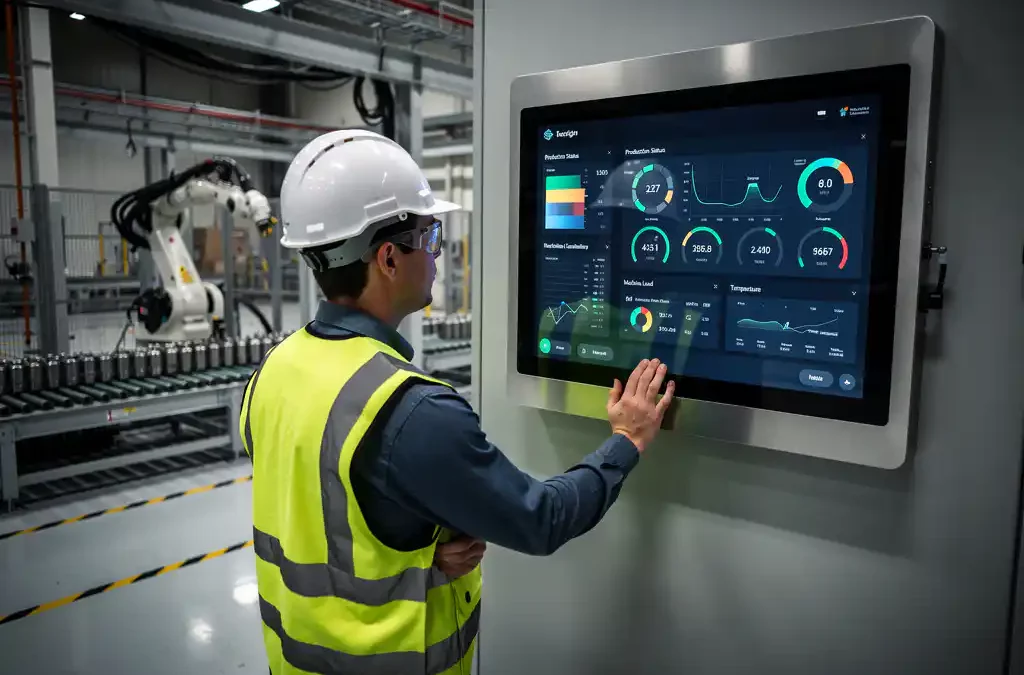
Machine downtime tracking in a factory involves using sensors and software to monitor and record machine status in real-time. This data is then analyzed to identify patterns, causes, and durations of unplanned downtime. The goal is to provide actionable insights that help reduce downtime and improve manufacturing efficiency.
Typically, downtime tracking systems integrate with existing manufacturing execution systems (MES) or enterprise resource planning (ERP) systems. They collect data from machine sensors, operators, and maintenance logs. This information is processed to generate reports and dashboards that highlight areas for improvement. By understanding what causes unplanned downtime in manufacturing, factories can implement targeted solutions to minimize disruptions.
What tools are available for tracking machine downtime?
Several tools are available for tracking machine downtime, including MES software, IoT devices, and specialized downtime tracking applications. These tools help manufacturers monitor machine performance, identify downtime causes, and implement strategies to reduce downtime in manufacturing.
MES software integrates with factory systems to provide a comprehensive view of production processes, including machine performance and downtime. IoT devices, such as sensors and smart meters, offer real-time data collection and monitoring capabilities. Specialized applications focus on downtime analysis, offering features like root cause analysis, predictive maintenance, and performance benchmarking. Choosing the right tool depends on the factory’s specific needs and existing infrastructure.
How can you implement a machine downtime tracking system?
Implementing a machine downtime tracking system involves assessing current processes, selecting appropriate tools, and integrating them with existing systems. The process includes setting up data collection mechanisms, configuring software, and training staff to use the new system effectively.
Start by identifying key areas where downtime occurs and the factors contributing to it. Choose a downtime tracking solution that aligns with your factory’s needs, whether it’s an MES, IoT devices, or specialized software. Ensure seamless integration with your current systems, such as ERP or MES, to enable real-time data collection and analysis. Train your team to use the system, emphasizing the importance of accurate data entry and analysis. By following these steps, you can effectively reduce downtime in manufacturing.
What are the benefits of tracking machine downtime?
Tracking machine downtime offers several benefits, including improved productivity, reduced costs, and enhanced operational efficiency. By understanding and addressing the causes of unplanned downtime, factories can optimize their processes and minimize disruptions.
Manufacturers have reported typical results in deployments, including a 28% productivity boost and 20% cost savings. Additionally, tracking downtime helps identify maintenance needs, allowing for proactive repairs and reducing the likelihood of equipment failure. This data-driven approach also supports continuous improvement initiatives, leading to more efficient production processes and better resource allocation.
How do you analyze machine downtime data?
Analyzing machine downtime data involves examining patterns, identifying root causes, and evaluating the impact of downtime on production. This analysis helps factories implement targeted strategies to reduce downtime and improve manufacturing efficiency.
Start by categorizing downtime events based on factors such as equipment failure, maintenance, or process inefficiencies. Use tools like root cause analysis and Pareto charts to identify the most significant contributors to downtime. Evaluate the impact of downtime on production schedules, costs, and overall efficiency. By understanding the data, you can implement effective solutions, such as predictive maintenance or process optimization, to reduce unplanned downtime in manufacturing.
Factorise offers a comprehensive solution to help manufacturers track and reduce downtime, enhancing productivity and efficiency across the shop floor. Ready to take the first step? We like to start with a fit-gap session: a day or two to understand where you are, which pain points are most urgent, and which modules deliver the fastest value. Book your first fit-gap session. No sales pitch. Just an honest conversation about what’s realistic.
“`
Related Articles
- What is the difference between planned and unplanned downtime?
- What is preventive maintenance in manufacturing?
- How do you start measuring OEE if you have never done it before?
- Why do most factories measure OEE but few act on it?
- What is a loss Pareto in manufacturing?
- What causes low OEE in a factory?
- What is the difference between OEE and TEEP?
- Why is 85% OEE considered world-class?
- How do you build a performance culture on the shopfloor?
- What is a good OEE score for a manufacturing plant?
- What is production efficiency in manufacturing?
- How is OEE calculated?
- What is performance in OEE?
- What is the difference between a reactive and a proactive manufacturing operation?
- Why is the OEE number in most factories inaccurate?