
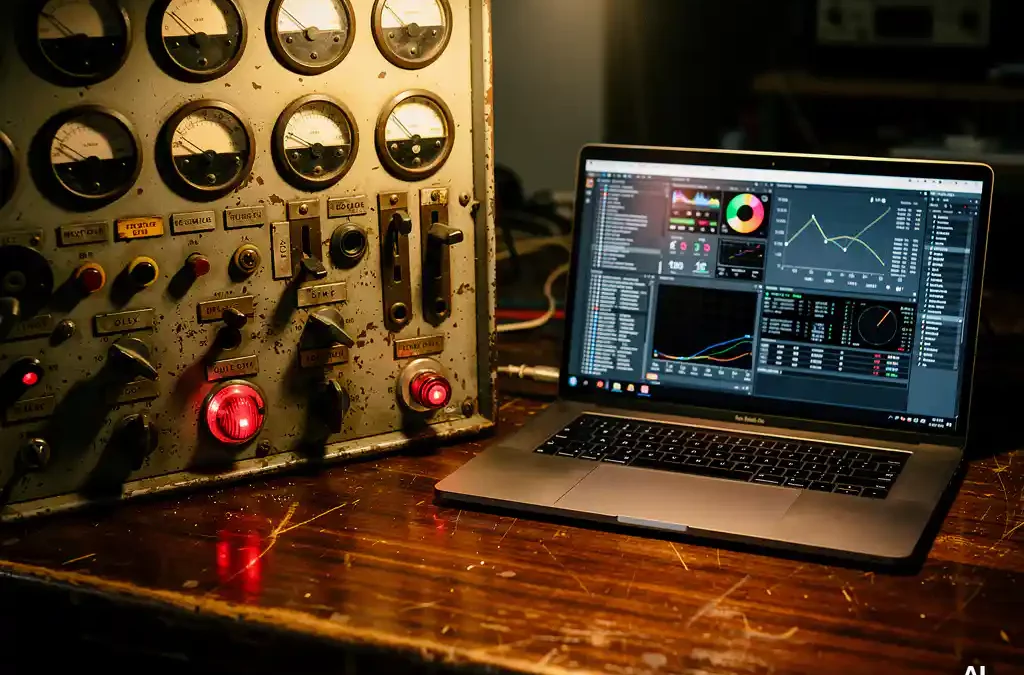
Connecting legacy PLCs (Programmable Logic Controllers) to modern software is a common challenge in manufacturing. As factories seek to digitalize their operations, integrating older equipment with new systems becomes crucial. This process not only enhances operational efficiency but also ensures that existing machinery can communicate effectively with advanced digital platforms. In this article, we'll explore the steps and considerations involved in bridging the gap between legacy PLCs and modern software solutions.
Understanding Legacy PLCs and Their Challenges
Legacy PLCs are fundamental in many manufacturing environments, controlling everything from simple machines to complex production lines. However, these older systems often lack the capability to interface directly with modern digital platforms. This disconnect can lead to inefficiencies, as data from these PLCs remains siloed, inaccessible for real-time analysis and decision-making.
The primary challenge with legacy PLCs is their reliance on outdated communication protocols. Unlike modern systems that use standard protocols like OPC UA or MQTT, older PLCs often operate on proprietary or less common protocols. This makes direct integration with new software difficult without additional hardware or software solutions.
Why Modern Software Integration Is Important
Integrating legacy PLCs with modern software is essential for several reasons. First, it allows for better data collection and analysis, enabling manufacturers to optimize production processes. With integrated systems, data from PLCs can be used to monitor performance, predict maintenance needs, and improve overall equipment effectiveness (OEE).
Moreover, modern software integration supports the digitalization of the shopfloor. By connecting legacy equipment to new platforms, manufacturers can enhance visibility across operations, leading to more informed decision-making and increased productivity. This integration is a critical step in leveraging industrial IoT solutions for smarter manufacturing.
Steps to Connect Legacy PLCs to New Systems
Connecting legacy PLCs to modern systems typically involves several key steps. Initially, it's important to assess the existing PLC infrastructure to understand the communication protocols and capabilities. This assessment helps in determining the best integration approach.
Next, manufacturers often use gateway devices or middleware to bridge the communication gap. These solutions translate data from legacy protocols into formats compatible with modern software. Additionally, sensor kits can be retrofitted to older machines, providing basic data points like temperature and vibration, which are crucial for monitoring and analysis.
Choosing the Right Connectivity Solutions
Selecting the appropriate connectivity solution depends on several factors, including the specific PLC models, the desired data integration level, and budget constraints. Open standards like OPC UA and MQTT are popular choices as they offer vendor-neutral communication, simplifying integration with modern platforms.
For manufacturers using Factorise, our platform offers native connectors for these protocols, ensuring seamless communication between legacy PLCs and the digital shopfloor. This approach minimizes integration overhead and accelerates the digitalization process.
Overcoming Common Integration Obstacles
One of the most significant challenges in PLC integration is IT/OT convergence. Traditionally, IT systems (like ERP) and OT systems (like PLCs) have operated in silos, managed by different teams with distinct priorities. Bridging this gap requires careful planning and collaboration between IT and OT departments.
Another common obstacle is the resistance to change from operators accustomed to legacy systems. It's crucial to involve these stakeholders early in the integration process, providing training and support to ensure smooth adoption of new technologies.
Real-World Examples of Successful Integrations
In similar environments, manufacturers have reported significant improvements after integrating legacy PLCs with modern software. For instance, companies have seen up to 28% productivity boosts and 20% cost savings, thanks to enhanced data visibility and process optimization.
These successes demonstrate the value of investing in connectivity solutions that align with both current operational needs and future growth objectives. By leveraging platforms like Factorise, manufacturers can achieve rapid integration and tangible results.
Future Trends in PLC and Software Integration
Looking ahead, the trend towards more intelligent and autonomous manufacturing systems will continue to drive the need for robust PLC and software integration. As AI and machine learning technologies evolve, they will play a pivotal role in predicting maintenance needs and optimizing production processes.
Manufacturers should also anticipate advancements in connectivity technologies, further simplifying the integration of legacy equipment with modern platforms. Staying informed about these trends will help manufacturers maintain a competitive edge in an increasingly digital landscape.
Ready to take the first step? We like to start with a fit-gap session: a day or two to understand where you are, which pain points are most urgent, and which modules deliver the fastest value. Book your first fit-gap session. No sales pitch. Just an honest conversation about what's realistic.
Frequently Asked Questions
What are some common communication protocols used by legacy PLCs?
Legacy PLCs often use proprietary or less common protocols, unlike modern systems that utilize standard protocols such as OPC UA or MQTT. This can include older fieldbus protocols like Modbus or Profibus.
How can manufacturers assess their existing PLC infrastructure for integration?
Manufacturers should start by evaluating the communication protocols and capabilities of their existing PLCs. This assessment will help determine the best integration approach, whether it involves using gateway devices, middleware, or sensor kits.
What role do gateway devices play in PLC integration?
Gateway devices act as intermediaries that translate data from legacy protocols into formats compatible with modern software, facilitating seamless communication between old and new systems.
How can resistance to change be managed during PLC integration?
Involving operators early in the integration process and providing adequate training and support can help manage resistance to change. It's important to address their concerns and demonstrate the benefits of new technologies.
What are the benefits of using open standards like OPC UA and MQTT for PLC integration?
Open standards like OPC UA and MQTT offer vendor-neutral communication, simplifying integration with modern platforms. They provide a flexible and scalable solution for connecting legacy PLCs to new systems.
What is IT/OT convergence, and why is it important for PLC integration?
IT/OT convergence refers to the integration of information technology systems (like ERP) with operational technology systems (like PLCs). It is crucial for ensuring seamless data flow and collaboration between different departments, ultimately leading to more efficient and informed decision-making.
How can manufacturers stay informed about future trends in PLC and software integration?
Manufacturers can stay informed by following industry publications, attending conferences, and participating in professional networks. Keeping up with advancements in AI, machine learning, and connectivity technologies will help them maintain a competitive edge.
Related Articles
- How do you avoid shadow IT on the shop floor?
- How long does it take to go live with a shopfloor platform?
- How do you give management real-time visibility into production?
- What is an Andon system and how does it work?
- What is the business case for a MES?
- What is lean manufacturing and how does it work?
- What is the six big losses model in manufacturing?
- What is the first step to implementing a MES in a midmarket factory?
- How do you move from reactive to preventive maintenance in a factory?
- What is the relationship between maintenance strategy and OEE?
- How to reduce downtime in manufacturing?
- Does the 85% OEE benchmark apply to every type of factory?
- What is a good OEE score for a manufacturing plant?
- What is production efficiency in manufacturing?
- What is performance in OEE?