
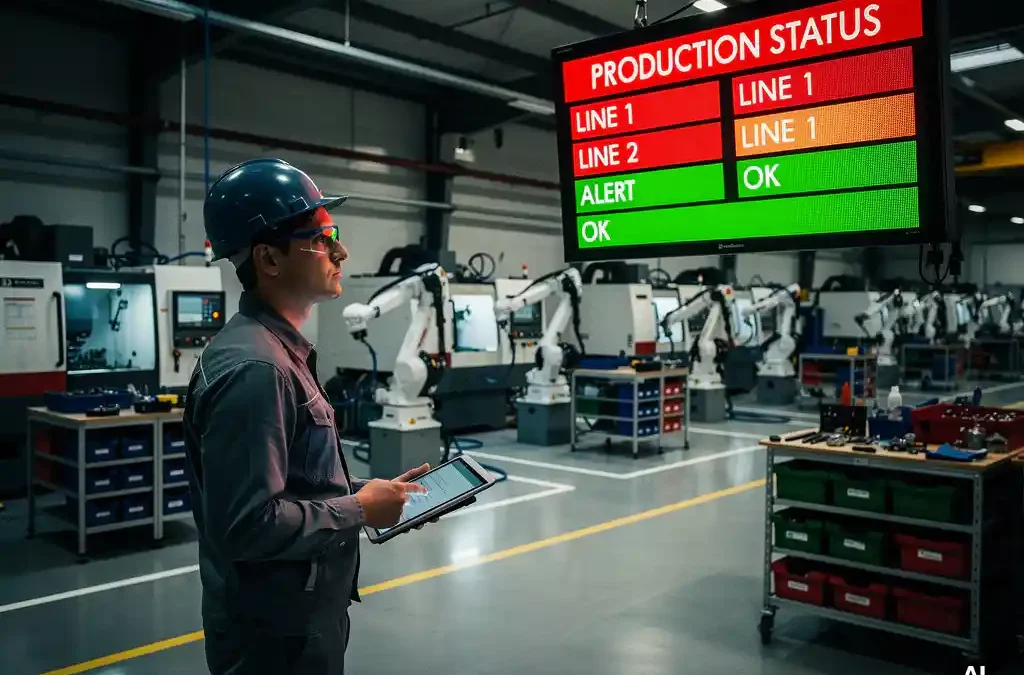
In the world of manufacturing, efficient communication on the shop floor is crucial for maintaining productivity and quality. An Andon system plays a vital role in this by providing real-time alerts and facilitating quick responses to issues. This system helps operators, supervisors, and managers stay informed about the status of production processes, enabling them to address problems promptly and optimize operations.
Understanding the Andon system
An Andon system is a visual and auditory alert mechanism used in manufacturing environments to indicate the status of production lines. It is designed to provide immediate feedback to operators and supervisors about the operational state of machines and processes. This system typically uses lights, sounds, and display boards to convey information, ensuring that everyone on the shop floor is aware of any issues that need attention.
The primary purpose of an Andon system is to enhance communication and ensure that problems are addressed quickly. By providing instant alerts, it allows operators to signal for assistance when they encounter issues such as equipment malfunctions or material shortages. This proactive approach helps prevent production delays and maintains a smooth workflow.
How does an Andon system work?
An Andon system operates by allowing operators to trigger alerts when they detect an issue on the production line. This can be done through a simple button press or an automated sensor that detects anomalies. Once activated, the system displays visual signals, such as colored lights or digital messages, and may also emit sounds to grab attention.
These alerts are typically categorized by severity, with different colors or sounds indicating the urgency of the issue. For example, a green light might signify normal operation, while a red light indicates a critical problem that requires immediate intervention. This clear communication ensures that supervisors can quickly assess the situation and take appropriate action to resolve the issue.
Benefits of implementing an Andon system
Implementing an Andon system offers several benefits to manufacturing operations. First and foremost, it enhances communication on the shop floor by providing real-time alerts that keep everyone informed. This leads to faster response times and reduces downtime, as issues are addressed promptly before they escalate.
Additionally, an Andon system supports continuous improvement efforts by providing valuable data on production performance. By analyzing the frequency and types of alerts, manufacturers can identify recurring issues and implement corrective measures. This data-driven approach helps optimize processes, improve quality, and increase overall efficiency.
Common challenges with Andon systems
Despite their benefits, Andon systems can face challenges in implementation and adoption. One common issue is resistance from operators who may be hesitant to use the system due to a lack of training or understanding. Ensuring proper training and demonstrating the system's value can help overcome this hurdle.
Another challenge is integrating the Andon system with existing processes and technologies. It is essential to ensure that the system is compatible with the current infrastructure and does not disrupt operations. Careful planning and phased implementation can help mitigate these challenges and ensure a smooth transition.
Real-world applications of Andon systems
Andon systems are widely used in various manufacturing settings, from automotive assembly lines to electronics production. For instance, in an automotive plant, an Andon system might alert supervisors to a problem with a robotic arm, allowing for quick intervention and minimizing production delays.
In electronics manufacturing, Andon systems can help identify issues such as component shortages or quality defects, enabling operators to address these problems before they affect the final product. These real-world applications demonstrate the versatility and effectiveness of Andon systems in improving manufacturing efficiency and quality.
Choosing the right Andon system for your factory
Selecting the appropriate Andon system for your factory involves considering several factors, including the size of your operation, the complexity of your processes, and your specific communication needs. It's essential to choose a system that is scalable and can be easily integrated with your existing infrastructure.
Additionally, consider the user-friendliness of the system and ensure that it provides clear and intuitive alerts. A system that is easy to use and understand will encourage adoption and maximize its effectiveness in improving communication and response times on the shop floor.
Future trends in Andon technology
As manufacturing technology continues to evolve, Andon systems are also advancing to incorporate new features and capabilities. One emerging trend is the integration of IoT and AI technologies, which enhance the system's ability to provide predictive alerts and automate responses to common issues.
Another trend is the development of mobile-friendly Andon systems that allow operators and supervisors to receive alerts and updates on their devices. This mobility ensures that key personnel can stay informed and respond to issues even when they are not physically present on the shop floor.
These advancements in Andon technology promise to further improve manufacturing efficiency and communication, making them a valuable investment for factories looking to optimize their operations.
At Factorise, we understand the importance of effective communication and real-time alerts in manufacturing. Our platform offers integrated solutions that enhance shop floor communication and streamline operations. Explore our digital manufacturing solutions to learn more about how we can help you optimize your production processes. Book your first fit-gap session. No sales pitch. Just an honest conversation about what's realistic.
Frequently Asked Questions
What are the key components of an Andon system?
An Andon system typically comprises visual indicators (like lights or display boards), auditory signals (such as alarms or buzzers), and activation mechanisms (buttons or sensors). These components work together to alert operators and supervisors to issues on the production line.
How can an Andon system be customized for different manufacturing environments?
Customization can involve adjusting the alert mechanisms to fit specific operational needs, such as integrating with existing machinery or processes. Additionally, the system can be tailored to provide specific types of alerts or data analytics relevant to the particular manufacturing environment.
What steps should be taken to ensure successful integration of an Andon system?
Successful integration involves conducting a thorough assessment of current processes, ensuring compatibility with existing technologies, and providing comprehensive training for operators and supervisors. It's also important to phase the implementation to minimize disruptions.
How does an Andon system contribute to continuous improvement in manufacturing?
By providing real-time data on production issues, an Andon system helps identify recurring problems and inefficiencies. This data can be analyzed to implement corrective actions, thus supporting continuous improvement initiatives and enhancing overall production quality.
Can Andon systems be used in industries other than manufacturing?
Yes, Andon systems can be adapted for use in other industries where real-time communication and quick response to issues are critical, such as logistics, healthcare, and service industries. The principles of immediate alerts and efficient communication apply across various sectors.
What are the cost considerations when implementing an Andon system?
Cost considerations include the initial investment in hardware and software, integration with existing systems, and ongoing maintenance. It's important to weigh these costs against the potential benefits of reduced downtime and improved efficiency.
How do IoT and AI technologies enhance modern Andon systems?
IoT and AI technologies enable Andon systems to provide predictive maintenance alerts and automate responses to common issues. These technologies enhance the system's ability to prevent downtime and optimize production processes by anticipating and addressing problems before they escalate.
Related Articles
- How do you connect legacy PLCs to modern software?
- How do you choose between buying and building shopfloor software?
- What is OT data and why does it matter to IT teams?
- What are the biggest risks when implementing a MES?
- Which manufacturers need a MES?
- How do you calculate the real cost of downtime in your factory?
- How do you justify a MES to a board or CFO?
- What is tribal knowledge in manufacturing?
- What factory efficiency losses does OEE not measure?
- Why does the same machine keep breaking down?
- What is the average OEE in manufacturing?
- What is OEE in manufacturing?
- How do you solve recurring problems on the shopfloor?
- What is world-class OEE and how far is the average factory from achieving it?
- Why is the OEE number in most factories inaccurate?