Choosing between buying and building shopfloor software is a critical decision for manufacturers. It involves weighing the benefits of ready-made solutions against the flexibility of custom-built systems. This decision can significantly impact operational efficiency and cost-effectiveness. In this article, we'll explore the shopfloor software landscape, the pros and cons of each option, and how to make an informed decision that aligns with your manufacturing needs.
Understanding the Shopfloor Software Landscape
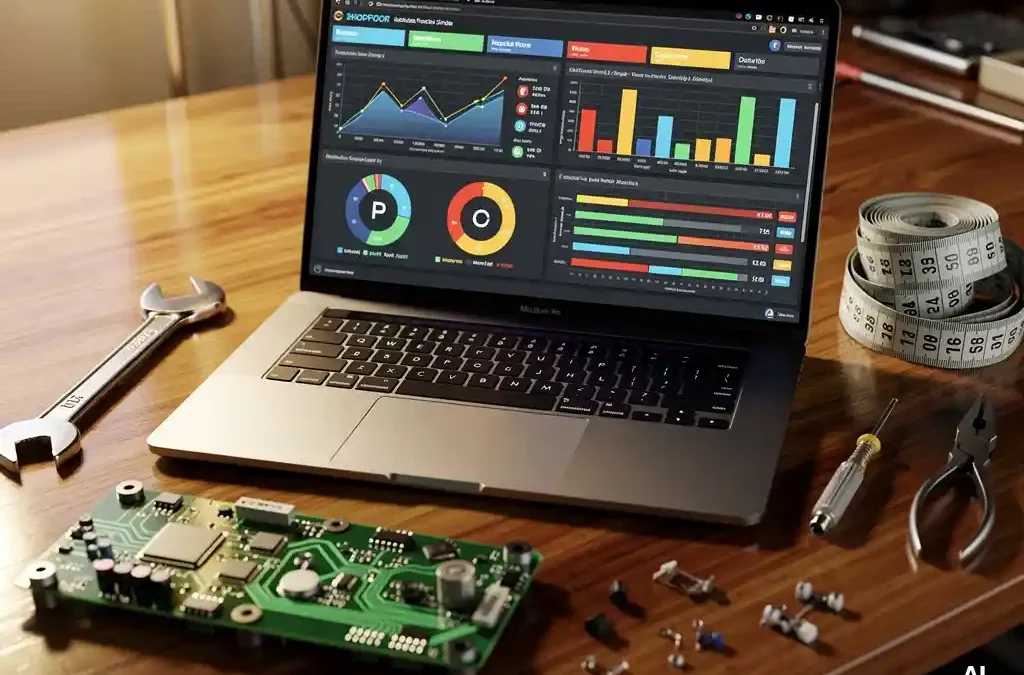
Shopfloor software plays a vital role in modern manufacturing, providing tools to manage production processes, monitor performance, and optimize operations. This software can range from comprehensive Manufacturing Execution Systems (MES) to more targeted solutions like digital work instructions or real-time issue resolution platforms.
Manufacturers face a diverse array of options, each with unique features and capabilities. The landscape includes off-the-shelf software that offers quick deployment and proven functionality, as well as custom solutions that can be tailored to specific operational needs. Understanding these options is crucial for making the right choice.
Pros and Cons of Buying Shopfloor Software
Buying shopfloor software offers several advantages, including faster implementation, lower initial costs, and access to vendor support. These solutions are typically well-tested and come with updates and maintenance, ensuring reliability and compliance with industry standards.
However, off-the-shelf software may not fully align with specific operational requirements. Customization options can be limited, and manufacturers might need to adapt their processes to fit the software, which could lead to inefficiencies or additional training needs.
Benefits of Building Custom Shopfloor Software
Building custom shopfloor software allows manufacturers to create a solution that perfectly matches their unique processes and requirements. This approach offers maximum flexibility and the ability to integrate seamlessly with existing systems and workflows.
Despite these benefits, custom solutions often require significant time and financial investment. Development can be complex and resource-intensive, and ongoing maintenance and updates become the manufacturer's responsibility. These factors must be carefully considered against the potential gains in efficiency and customization.
Key Considerations in the Buy vs Build Decision
When deciding between buying and building, manufacturers should consider several key factors. These include the urgency of deployment, budget constraints, and the need for specific features or integrations. The decision should align with long-term strategic goals and operational priorities.
Another important consideration is the ability to scale. Off-the-shelf solutions may offer scalability options, but custom software can be designed with future growth in mind. Evaluating these aspects will help manufacturers make a decision that supports their business objectives.
How Factorise Supports Your Decision-Making Process
Factorise Software offers a unique approach that combines the best of both worlds: ready-made best practices with the flexibility of customization. Our platform is built on Mendix, allowing for quick deployment and easy customization to meet specific needs.
Manufacturers have reported typical results such as a 28% productivity boost and 20% cost savings within weeks of deployment. With Factorise, you can start small and scale at your own pace, ensuring that each step delivers tangible value. **Learn more about our digital manufacturing solutions**.
Ready to take the first step? We like to start with a fit-gap session: a day or two to understand where you are, which pain points are most urgent, and which modules deliver the fastest value. **Book your first fit-gap session**. No sales pitch. Just an honest conversation about what's realistic.
Frequently Asked Questions
What factors should be considered when deciding between buying and building shopfloor software?
Consider the urgency of deployment, budget constraints, specific feature needs, integration capabilities, and long-term strategic goals. Also, evaluate scalability and how each option aligns with your operational priorities.
How can custom shopfloor software integrate with existing systems?
Custom software can be designed to seamlessly integrate with existing systems by using APIs and other integration tools. This allows for a smooth flow of data and processes across different platforms.
What are the potential hidden costs of buying off-the-shelf shopfloor software?
Hidden costs may include additional training for staff, customization fees, integration expenses, and potential inefficiencies if the software does not fully align with existing processes.
How long does it typically take to develop custom shopfloor software?
The development time for custom software can vary widely depending on the complexity of the requirements, but it typically ranges from several months to over a year. It's important to plan for a realistic timeline and resource allocation.
Can off-the-shelf shopfloor software be customized to fit specific needs?
Many off-the-shelf solutions offer some level of customization, but it may be limited compared to custom-built software. It's important to assess whether the available customization options will meet your specific operational needs.
What are the risks associated with building custom shopfloor software?
Risks include higher initial costs, longer development time, the complexity of maintenance, and the need for ongoing updates. It's crucial to weigh these risks against the benefits of a tailored solution.
How does Factorise Software ensure a balance between ready-made solutions and customization?
Factorise Software combines ready-made best practices with customization flexibility through its platform built on Mendix, allowing for quick deployment and tailored adjustments to meet specific manufacturing needs.
Related Articles
- What is mobile-first design and why does it matter for operators?
- What is Industry 4.0 and what does it mean in practice?
- What is the difference between MES and MOM?
- What is a fit-gap analysis before an MES implementation?
- How do you reduce dependency on experienced operators?
- Why do MES implementations take longer than expected?
- What is downtime tracking and why does it matter?
- What is the role of data in improving manufacturing performance?
- What is lean manufacturing and how does it work?
- What is lean daily management in manufacturing?
- What is the role of digital tools in reducing labour dependency in manufacturing?
- Why is tribal knowledge a risk for a manufacturing business?
- What is skill management in manufacturing?
- What are the most common causes of machine downtime in a factory?
- What is world-class OEE and how far is the average factory from achieving it?