
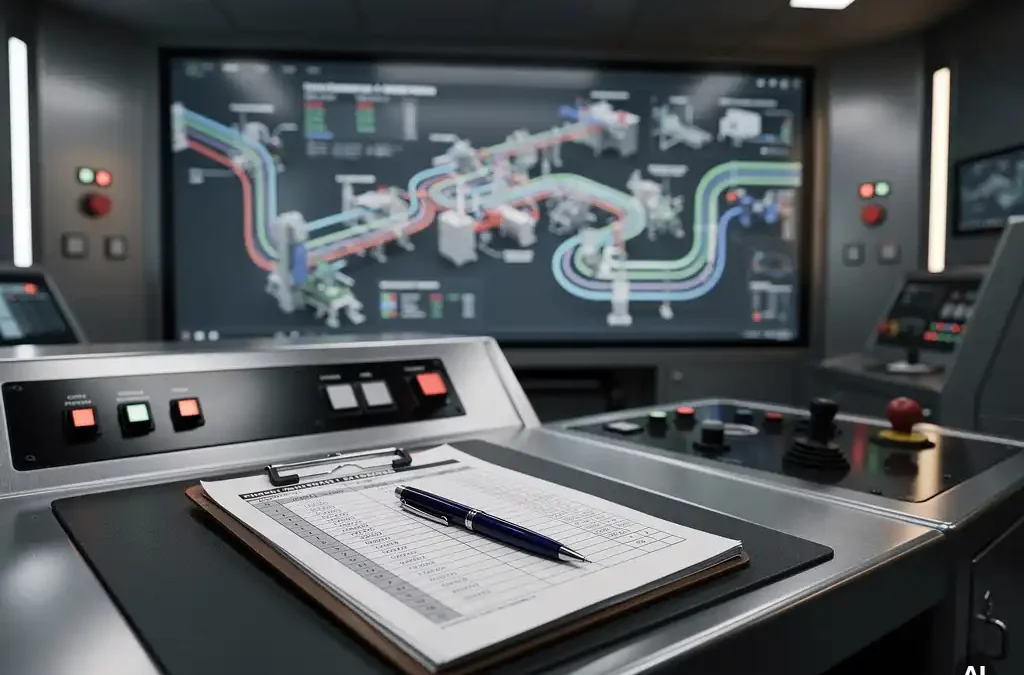
In the world of manufacturing, understanding the difference between a Manufacturing Execution System (MES) and Manufacturing Operations Management (MOM) is crucial for optimizing production processes. While both systems play significant roles in digital manufacturing, they serve distinct purposes. MES focuses on executing production processes on the shop floor, whereas MOM encompasses a broader scope, including quality, maintenance, and inventory operations. This article delves into the nuances between MES and MOM, highlighting their key differences, benefits, challenges, and future trends.
Understanding MES and MOM
Manufacturing Execution Systems (MES) are designed to manage, monitor, and control production operations on the factory floor. They connect the planning aspects handled by ERP systems with the actual production activities. MES ensures that production orders are executed efficiently, providing real-time visibility into production status, operator activities, and machine performance.
On the other hand, Manufacturing Operations Management (MOM) is a broader concept that includes MES but extends to cover other critical areas such as quality management, maintenance operations, and inventory control. MOM provides a holistic view of manufacturing operations, integrating various functions to optimize overall performance.
Key Differences Between MES and MOM
The primary difference between MES and MOM lies in their scope. MES is primarily focused on production execution, ensuring that manufacturing processes are carried out correctly and efficiently. It deals with tasks like order tracking, scheduling, and performance analysis. MES systems are essential for operators and supervisors who need to ensure that production runs smoothly.
In contrast, MOM encompasses a wider range of operations, including quality assurance, maintenance management, and inventory control. MOM systems are designed to provide a comprehensive view of all manufacturing operations, enabling better decision-making and strategic planning. This broader scope makes MOM systems valuable for plant managers and executives who need to oversee the entire manufacturing process.
Benefits of Integrating MES and MOM
Integrating MES and MOM systems can offer numerous benefits to manufacturers. One of the most significant advantages is improved visibility across all operations. By having a unified system, manufacturers can gain real-time insights into production status, quality metrics, and maintenance schedules, allowing for more informed decision-making.
Another benefit is enhanced consistency and compliance. With integrated systems, manufacturers can standardize processes, ensuring that every operation follows the same procedures and quality standards. This reduces errors and rework, leading to higher product quality and compliance with industry regulations.
Challenges in Adopting MES and MOM
Despite the benefits, adopting MES and MOM systems comes with its challenges. One major hurdle is the cost and complexity of implementation. Traditional MES systems, for instance, can be expensive and time-consuming to deploy, requiring significant customization to fit specific production environments.
Additionally, integrating MES and MOM systems requires careful planning and coordination. Manufacturers must ensure that all components work seamlessly together, sharing a common data model to avoid integration issues. This can be particularly challenging for midmarket manufacturers with limited resources and expertise.
Future Trends in MES and MOM
Looking ahead, the future of MES and MOM systems is likely to be shaped by advancements in industrial technology and digital manufacturing. One emerging trend is the shift towards composable MES platforms, which allow manufacturers to deploy modular capabilities as needed. This approach offers greater flexibility and scalability, enabling manufacturers to address specific pain points without a massive upfront investment.
Another trend is the increasing use of artificial intelligence and machine learning to enhance MES and MOM systems. These technologies can provide deeper insights into production data, helping manufacturers identify patterns and optimize processes for better efficiency and productivity.
As the manufacturing industry continues to evolve, staying informed about these trends and understanding the differences between MES and MOM will be critical for manufacturers looking to remain competitive. Ready to take the first step? We like to start with a fit-gap session: a day or two to understand where you are, which pain points are most urgent, and which modules deliver the fastest value. Book your first fit-gap session. No sales pitch. Just an honest conversation about what's realistic.
Frequently Asked Questions
What are the key components of a Manufacturing Execution System (MES)?
Key components of an MES include data collection, production scheduling, performance analysis, quality management, and resource allocation. These components work together to ensure efficient execution of production processes on the shop floor.
How does Manufacturing Operations Management (MOM) enhance decision-making?
MOM enhances decision-making by providing a comprehensive view of manufacturing operations, integrating data from various functions such as quality, maintenance, and inventory. This holistic approach allows managers to make informed strategic decisions and optimize overall performance.
What are the cost considerations when implementing MES and MOM systems?
Cost considerations include the initial investment for software and hardware, customization needs, integration with existing systems, and ongoing maintenance. It's important to evaluate these costs against the potential benefits and efficiencies gained from the systems.
How can manufacturers overcome the challenges of integrating MES and MOM systems?
Manufacturers can overcome integration challenges by conducting thorough planning, involving cross-functional teams, and using standardized data models. Partnering with experienced vendors can also help ensure a smooth integration process.
What role does artificial intelligence play in the future of MES and MOM?
Artificial intelligence can enhance MES and MOM by providing predictive analytics, optimizing production schedules, and identifying inefficiencies. AI-driven insights help manufacturers improve productivity and adapt to changing market demands.
Are there specific industries where MES and MOM are particularly beneficial?
MES and MOM are beneficial across various industries, including automotive, pharmaceuticals, electronics, and food and beverage. These systems help streamline operations, ensure compliance, and improve product quality in highly regulated and complex manufacturing environments.
What is a fit-gap session, and how can it benefit manufacturers?
A fit-gap session is a preliminary assessment to identify current capabilities, pain points, and areas for improvement in manufacturing operations. It helps manufacturers prioritize modules that deliver the fastest value and tailor systems to their specific needs.
Related Articles
- How do you avoid shadow IT on the shop floor?
- How do you give management real-time visibility into production?
- Why does shift handover cause production losses?
- What information do you need to start reducing machine downtime?
- What is availability in OEE?
- What is skill management in manufacturing?
- How do you document manufacturing knowledge before it is lost?
- What is the cost of unplanned downtime in manufacturing?
- What is MTBF and how do you calculate it?
- What is unplanned downtime in manufacturing?
- Why do most factories measure OEE but few act on it?
- What is the average OEE in manufacturing?
- What is OEE in manufacturing?
- What is the difference between a reactive and a proactive manufacturing operation?
- What is world-class OEE and how far is the average factory from achieving it?