
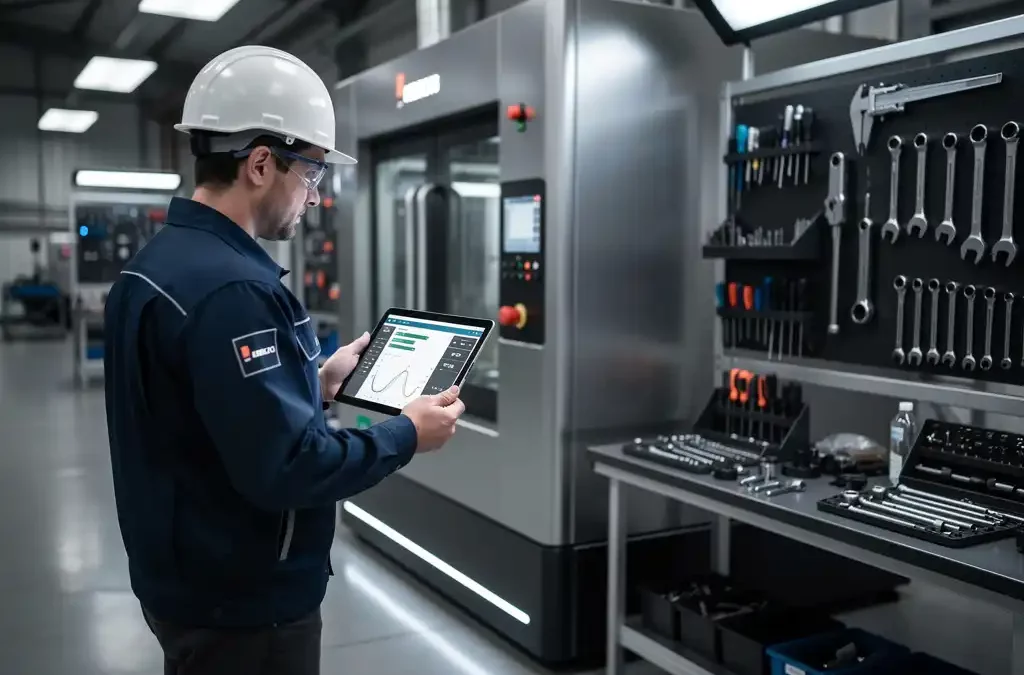
To start reducing machine downtime, you need to gather comprehensive data on machine performance, identify the root causes of downtime, and implement a structured maintenance plan. This involves collecting real-time data, understanding operational inefficiencies, and adopting digital tools that facilitate proactive management. By focusing on these areas, manufacturers can significantly minimize downtime and improve productivity. In this article, we’ll explore the critical information needed and strategies to effectively reduce downtime.
What is machine downtime and why is it a problem?
Machine downtime refers to periods when manufacturing equipment is not operational, leading to halted production and potential financial losses. It is a significant problem because it disrupts production schedules, increases operational costs, and can negatively impact product quality. Understanding downtime is crucial for manufacturers aiming to maintain efficient operations and meet production targets.
Unplanned downtime, in particular, can be costly, as it often occurs unexpectedly, requiring immediate attention and resources to resolve. This type of downtime is typically caused by equipment failures, lack of maintenance, or operator errors. Reducing downtime is essential for maintaining a competitive edge and ensuring consistent product delivery.
How can you identify the causes of machine downtime?
Identifying the causes of machine downtime involves analyzing production data, conducting root cause analysis, and monitoring equipment performance. This process helps pinpoint specific issues such as mechanical failures, inefficient processes, or operator errors. By understanding these causes, manufacturers can implement targeted solutions to prevent future occurrences.
Tools like Overall Equipment Effectiveness (OEE) provide insights into availability, performance, and quality, helping to identify inefficiencies. Additionally, structured issue resolution processes, such as root cause analysis and action tracking, can help address the underlying problems causing downtime.
What information is needed to start reducing downtime?
To effectively reduce downtime, you need detailed information on machine performance, maintenance history, and operational processes. This includes real-time data on machine status, historical downtime records, and insights into common failure modes. Having this information allows for informed decision-making and proactive maintenance planning.
Digital tools can facilitate data collection and analysis, providing a comprehensive view of equipment health and operational efficiency. By leveraging this information, manufacturers can prioritize maintenance activities, optimize production schedules, and implement preventive measures to reduce downtime.
How does digital manufacturing help reduce downtime?
Digital manufacturing helps reduce downtime by providing real-time visibility into machine performance, enabling predictive maintenance, and streamlining communication across teams. It allows manufacturers to quickly identify and address issues before they escalate, minimizing disruptions and maintaining consistent production flow.
Platforms like Factorise offer comprehensive solutions that integrate with existing systems, providing operators and managers with actionable insights. These tools support proactive management by delivering live data, facilitating quick issue resolution, and optimizing maintenance schedules to prevent unexpected downtime.
What are the best practices for maintaining equipment?
Best practices for maintaining equipment include implementing a preventive maintenance schedule, using predictive analytics, and ensuring operator training. Regular inspections and timely repairs can prevent equipment failures, while predictive analytics help anticipate potential issues before they occur.
Training operators on proper equipment use and maintenance procedures is also crucial for minimizing downtime. By adopting these practices, manufacturers can enhance equipment reliability, reduce maintenance costs, and improve overall production efficiency.
How can you measure the success of downtime reduction efforts?
The success of downtime reduction efforts can be measured by tracking key performance indicators (KPIs) such as OEE, mean time between failures (MTBF), and mean time to repair (MTTR). Improvements in these metrics indicate successful downtime reduction strategies and enhanced operational efficiency.
Manufacturers have reported typical results such as a 28% productivity boost and 40% faster issue resolution after implementing structured downtime reduction strategies. By continuously monitoring these KPIs, manufacturers can assess the effectiveness of their efforts and make necessary adjustments to maintain optimal performance.
For more insights on how digital manufacturing can help reduce downtime, visit our digital manufacturing page. Ready to take the first step? We like to start with a fit-gap session: a day or two to understand where you are, which pain points are most urgent, and which modules deliver the fastest value. Book your first fit-gap session. No sales pitch. Just an honest conversation about what’s realistic.
Related Articles
- What is Mendix and how is it used in manufacturing software?
- What is downtime tracking and why does it matter?
- How do you reduce waste in a production process?
- How do you calculate the real cost of downtime in your factory?
- What is continuous improvement in manufacturing?
- Why do factories struggle to sustain improvement after a project ends?
- How do you reduce operator errors on the shopfloor?
- Why do new operators make the same mistakes as their predecessors?
- What is skill management in manufacturing?
- How do you plan shifts when skills and qualifications vary across your team?
- How do you reduce rework caused by operators following outdated procedures?
- How do small and midsize manufacturers benefit from a MES?
- What is reactive maintenance and why is it a problem?
- How do you build a performance culture on the shopfloor?
- How is OEE calculated?