
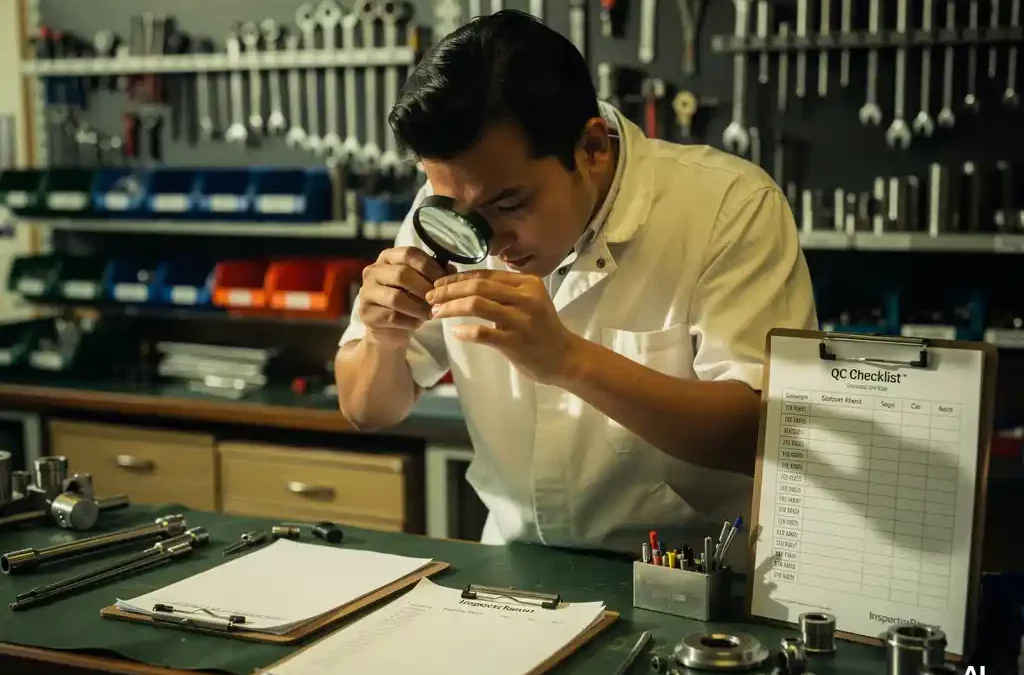
In the world of manufacturing, ensuring quality is paramount. A quality request in a factory is a formalized process to identify, document, and address quality issues during production. This proactive approach helps maintain high standards and prevents defects from affecting the final product. By integrating quality requests into the manufacturing process, factories can catch potential issues early, saving time and resources. This article explores the role of quality requests in manufacturing, how they can be effectively implemented, and the challenges and future trends in this essential aspect of shopfloor management.
Understanding Quality Requests in Manufacturing
Quality requests are an integral part of maintaining high standards in manufacturing. They serve as a structured method for identifying and addressing quality issues as they arise. By embedding these requests into the production process, manufacturers can ensure that any defects are caught early, minimizing their impact on the final product.
In practice, a quality request might be triggered by an anomaly detected during production. This could involve a deviation from expected measurements, a defect in materials, or an inconsistency in the production process. The request documents the issue, outlines the necessary corrective actions, and tracks the resolution process. This systematic approach ensures that quality issues are not only addressed promptly but also prevented from recurring.
The Role of Quality Requests in Shopfloor Management
Quality requests play a crucial role in shopfloor management by ensuring that quality control is an ongoing process rather than a final check. This approach, known as "quality in the flow," integrates quality checks at various stages of production. It allows manufacturers to catch defects at the source, significantly reducing the cost and time associated with post-production fixes.
By incorporating quality requests into shopfloor management, factories can maintain a continuous feedback loop. This loop helps identify patterns or recurring issues, enabling teams to implement long-term solutions. Moreover, in regulated industries, these requests provide a comprehensive audit trail, detailing who performed the check, when, and the results, thus ensuring compliance with industry standards.
How to Implement Effective Quality Requests
Implementing effective quality requests involves several key steps. First, it's essential to establish clear criteria for when a quality request should be initiated. This might include specific thresholds for defects or deviations that trigger a request. Next, a standardized process for documenting and addressing these requests should be developed. This process should include detailed instructions for corrective actions and a timeline for resolution.
Technology can play a significant role in streamlining quality requests. Digital platforms like Factorise offer modules that integrate quality checks into the production flow, providing real-time visibility and tracking. By using such tools, manufacturers can ensure that quality requests are managed efficiently, reducing the risk of oversight and ensuring that issues are addressed promptly.
Common Challenges in Quality Request Management
Despite their benefits, managing quality requests can present several challenges. One common issue is the delay in identifying and addressing defects. In many factories, quality checks are conducted separately from production, leading to significant delays in detecting issues. This can result in large volumes of defective products before a problem is identified.
Another challenge is the integration of quality requests into existing workflows. Without a seamless integration, quality requests can become an additional burden rather than a helpful tool. To overcome these challenges, manufacturers should focus on real-time quality checks and ensure that quality requests are an integral part of the production process, rather than an afterthought.
Future Trends in Quality Request Systems
As manufacturing continues to evolve, so too do quality request systems. One significant trend is the increasing use of artificial intelligence and machine learning to predict and prevent quality issues before they occur. These technologies can analyze vast amounts of data to identify patterns and anomalies, enabling proactive quality management.
Another trend is the shift towards more integrated and automated quality request systems. By leveraging digital platforms, manufacturers can create a more cohesive and efficient quality management process. These systems not only streamline the handling of quality requests but also provide valuable insights into production processes, helping manufacturers to continuously improve their operations.
As we look to the future, it's clear that quality requests will continue to play a vital role in manufacturing. By embracing new technologies and integrating quality management into every aspect of production, manufacturers can ensure they maintain the highest standards of quality. Ready to take the first step? We like to start with a fit-gap session: a day or two to understand where you are, which pain points are most urgent, and which modules deliver the fastest value. Book your first fit-gap session. No sales pitch. Just an honest conversation about what's realistic.
Frequently Asked Questions
What are the key benefits of integrating quality requests into the manufacturing process?
Integrating quality requests into the manufacturing process helps in early detection and correction of defects, maintaining high product standards, reducing waste, and saving time and resources by preventing defects from affecting the final product.
How can technology enhance the quality request process?
Technology, such as digital platforms and real-time tracking systems, can streamline the quality request process by providing visibility, ensuring efficient management, and reducing the risk of oversight. These tools help in integrating quality checks seamlessly into the production flow.
What challenges might manufacturers face when implementing quality requests?
Manufacturers may face challenges such as delays in defect detection, difficulty in integrating quality requests into existing workflows, and ensuring real-time quality checks. Overcoming these challenges requires a focus on seamless integration and proactive quality management.
How do quality requests contribute to compliance in regulated industries?
Quality requests provide a comprehensive audit trail that details the checks performed, by whom, and their results. This documentation ensures compliance with industry standards and facilitates easier audits and inspections.
What future trends are expected in quality request systems?
Future trends include the use of artificial intelligence and machine learning to predict and prevent quality issues, as well as the development of more integrated and automated quality request systems that provide valuable insights into production processes.
How can manufacturers ensure effective implementation of quality requests?
Manufacturers can ensure effective implementation by establishing clear criteria for initiating requests, developing standardized processes for documentation and corrective actions, and leveraging technology to integrate quality checks into the production flow.
Why is it important to have a continuous feedback loop in quality request management?
A continuous feedback loop helps identify patterns or recurring issues, enabling teams to implement long-term solutions and improve overall production quality. It also facilitates ongoing improvement and adaptation to changing manufacturing needs.
Related Articles
- What is the unified namespace concept in manufacturing IT?
- What is cross-site benchmarking in manufacturing?
- What does a typical shopfloor digitalisation roadmap look like?
- How do you scale a shopfloor rollout across multiple sites?
- How do you identify production bottlenecks in a factory?
- What is lean manufacturing and how does it work?
- How do you calculate overall equipment effectiveness manually?
- How do you prevent knowledge loss when key employees retire?
- What is unplanned downtime in manufacturing?
- What is the difference between real-time OEE and end-of-shift OEE?
- Why does inconsistent OEE measurement make improvement impossible?
- How is OEE calculated?
- How do you solve recurring problems on the shopfloor?
- How do you know if your factory is performing as well as it should be?
- How do you calculate availability in OEE?