
“`html
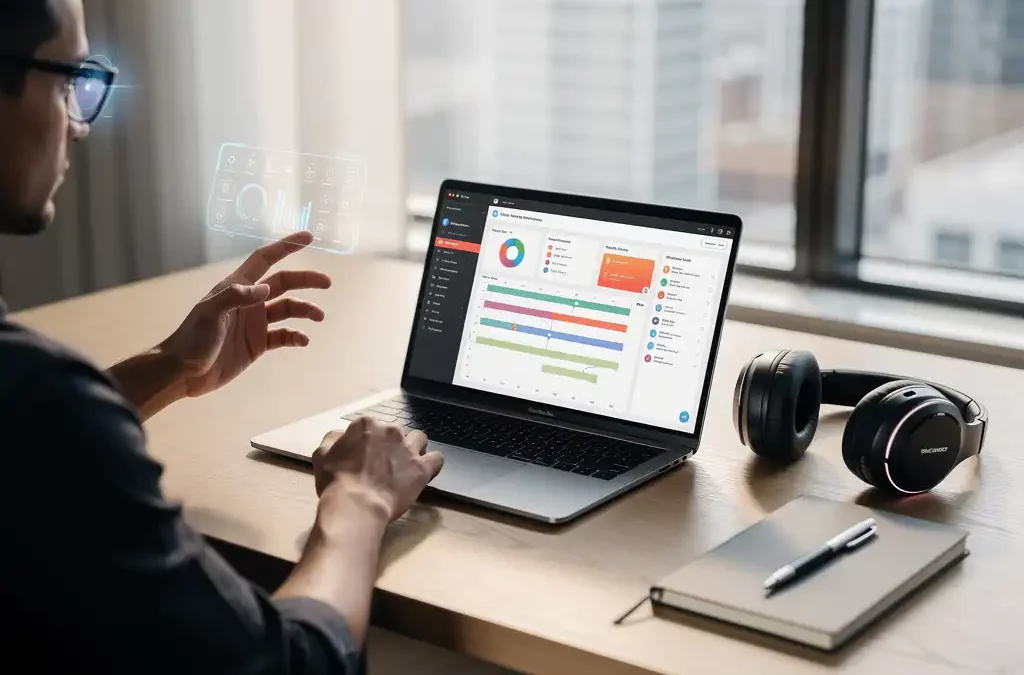
A connected worker platform is a digital solution that links workers, machines, and processes on the shop floor to enhance productivity and efficiency. It provides real-time data access and communication tools, enabling workers to make informed decisions quickly. This platform is crucial for modern manufacturing facilities looking to streamline operations and improve overall performance.
Connected worker platforms are especially beneficial in industries where real-time decision-making and data-driven insights can significantly impact productivity. By integrating with existing systems, these platforms help reduce manual errors, improve communication, and ensure that all team members have access to the latest information. In this article, we’ll explore how these platforms enhance productivity, what features to look for, and how to implement them effectively.
What is a connected worker platform?
A connected worker platform is a comprehensive digital system designed to integrate workers, machines, and data on the shop floor. It facilitates seamless communication and data sharing, allowing for real-time decision-making and operational efficiency. By bridging gaps between disparate systems, it ensures that all stakeholders are informed and aligned.
These platforms typically include features such as digital work instructions, real-time visibility dashboards, and structured issue resolution tools. They aim to replace traditional paper-based processes with digital solutions that enhance productivity and reduce downtime. For manufacturers, adopting a connected worker platform can mean the difference between staying competitive and falling behind in a rapidly evolving industry.
How does a connected worker platform improve productivity?
A connected worker platform improves productivity by providing real-time data access, streamlining communication, and automating routine tasks. This enables workers to focus on high-value activities and make informed decisions quickly. The platform’s integration with existing systems ensures that data is consistent and accessible across the organization.
By eliminating manual data entry and reducing errors, these platforms help maintain a continuous flow of information. This is particularly useful for identifying bottlenecks and optimizing workflows. Additionally, the ability to track performance metrics in real time allows managers to implement changes swiftly, further boosting productivity.
What features should you look for in a connected worker platform?
When selecting a connected worker platform, look for features such as real-time data access, digital work instructions, and seamless integration with existing systems. A robust platform should also offer customizable dashboards, mobile access, and strong security measures to protect sensitive data.
Consider platforms that provide structured issue resolution tools and support for skills-based workforce planning. These features ensure that the right personnel are assigned to tasks, minimizing downtime and maximizing efficiency. Integration capabilities with ERP and MES systems are also crucial for a holistic view of shop floor operations.
Why is digital manufacturing important for the future?
Digital manufacturing is important for the future because it enhances efficiency, reduces costs, and improves product quality. By leveraging digital tools, manufacturers can optimize production processes, adapt to market changes rapidly, and maintain a competitive edge. It also supports sustainability efforts by minimizing waste and energy consumption.
The shift towards digital manufacturing allows for greater flexibility and scalability, enabling companies to respond to customer demands more effectively. As technology advances, the ability to integrate new solutions seamlessly becomes a key differentiator in the manufacturing sector.
How do you implement a connected worker platform in your facility?
Implementing a connected worker platform involves assessing current processes, selecting the right platform, and ensuring seamless integration with existing systems. Start by identifying key pain points and setting clear objectives for the platform’s deployment. Engage stakeholders across departments to ensure alignment and buy-in.
Once a platform is chosen, work with implementation partners to configure and integrate the system. Training is crucial to ensure that all users are comfortable with the new tools. Regular feedback and iterative improvements will help maximize the platform’s benefits and ensure a smooth transition.
What are the challenges of adopting a connected worker platform?
Challenges of adopting a connected worker platform include resistance to change, integration complexities, and data security concerns. Overcoming these challenges requires clear communication, robust training programs, and a phased implementation approach. Ensuring that the platform aligns with existing workflows is also crucial.
Addressing data security is paramount, as sensitive information must be protected from unauthorized access. Additionally, selecting a platform that offers flexible integration options can help mitigate potential disruptions during deployment. By proactively managing these challenges, organizations can successfully adopt connected worker platforms and reap their benefits.
At Factorise, we understand the importance of a connected worker platform in modern manufacturing. Our platform is designed to integrate seamlessly with your existing systems, providing real-time insights and enhancing productivity. Explore our digital manufacturing solutions to see how we can help you achieve your operational goals.
Ready to take the first step? We like to start with a fit-gap session: a day or two to understand where you are, which pain points are most urgent, and which modules deliver the fastest value. Book your first fit-gap session. No sales pitch. Just an honest conversation about what’s realistic.
“`
Related Articles
- How do you identify production bottlenecks in a factory?
- How do you calculate the real cost of downtime in your factory?
- What is lean manufacturing and how does it work?
- What happens when an experienced operator leaves and takes their knowledge with them?
- What are digital work instructions in manufacturing?
- How do digital work instructions differ from paper SOPs?
- How do you onboard new manufacturing operators faster?
- How do you make sure the right operator is doing the right task?
- How do you document manufacturing knowledge before it is lost?
- What is the manufacturing skills gap and why is it getting worse?
- What is the difference between planned and unplanned downtime?
- How do you start measuring OEE if you have never done it before?
- How is OEE calculated?
- How do you measure performance losses in OEE?
- Why is the OEE number in most factories inaccurate?