
“`html
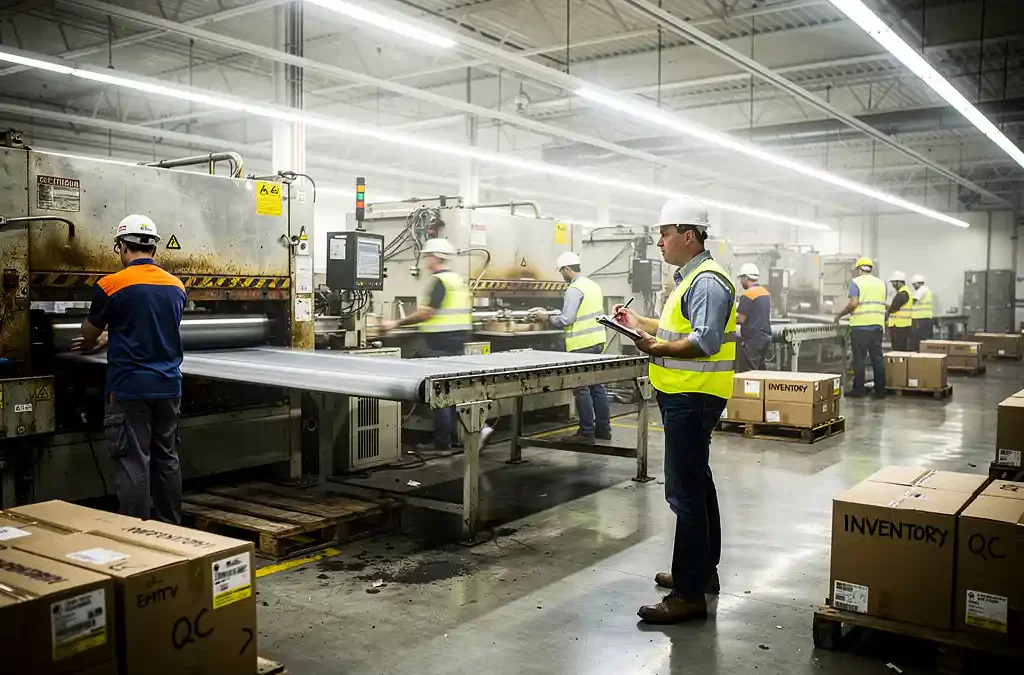
Shopfloor management is the practice of overseeing and optimizing manufacturing operations directly on the production floor. It involves coordinating people, machines, and processes to enhance production efficiency and performance. Effective shopfloor management is crucial because it ensures that manufacturing operations run smoothly, reduces production losses, and maximizes production capacity utilization. In this article, we’ll explore how shopfloor management improves manufacturing operations and the impact of digital transformation.
What is shopfloor management and why does it matter?
Shopfloor management is a systematic approach to managing production activities on the manufacturing floor, focusing on improving efficiency and reducing losses. It matters because it directly impacts production performance by ensuring that operations are streamlined and that resources are used optimally. By implementing effective shopfloor management, manufacturers can achieve better production capacity utilization and minimize production losses.
In practice, shopfloor management involves monitoring real-time production data, addressing issues promptly, and maintaining clear communication across teams. This proactive approach helps identify bottlenecks and optimize workflows, leading to improved production efficiency.
How does shopfloor management improve manufacturing operations?
Shopfloor management improves manufacturing operations by enhancing production efficiency and optimizing resource utilization. It achieves this by providing real-time visibility into production processes, enabling quick decision-making and reducing downtime. This approach allows for an immediate response to issues, minimizing disruptions and maximizing output.
Additionally, shopfloor management fosters a culture of continuous improvement. By regularly analyzing production data and performance metrics, manufacturers can identify areas for improvement and implement strategies to enhance production performance. This iterative process leads to sustained improvements in production capacity utilization.
What are the key components of effective shopfloor management?
Effective shopfloor management comprises several key components, including real-time data monitoring, standardized processes, and continuous improvement practices. These components work together to ensure seamless operations and optimal production performance.
- Real-time Data Monitoring: Provides immediate insights into production status, allowing for quick adjustments and issue resolution.
- Standardized Processes: Ensures consistency and quality across production, reducing variability and errors.
- Continuous Improvement: Involves regular analysis of performance data to identify and implement improvements, fostering a culture of innovation and efficiency.
How can digital transformation impact shopfloor management?
Digital transformation significantly enhances shopfloor management by integrating advanced technologies that streamline operations and improve decision-making. It enables real-time data collection and analysis, providing actionable insights that drive production optimization.
By adopting digital tools, manufacturers can automate routine tasks, reduce manual errors, and increase production efficiency. Digital transformation also facilitates better communication and collaboration across teams, leading to improved coordination and faster issue resolution.
What challenges do companies face in implementing shopfloor management?
Companies often encounter challenges such as resistance to change, lack of real-time data, and integration issues when implementing shopfloor management. Overcoming these obstacles requires a strategic approach and commitment to continuous improvement.
Resistance to change can be addressed by involving employees in the implementation process and demonstrating the benefits of shopfloor management. Ensuring access to real-time data and integrating systems seamlessly are critical to achieving the desired improvements in production efficiency and performance.
How does Factorise support digital shopfloor management?
Factorise supports digital shopfloor management by offering a composable platform that integrates seamlessly with existing systems, providing real-time data and insights to optimize production operations. Our platform helps manufacturers digitize their production processes step by step, ensuring minimal disruption and maximum efficiency.
Factorise’s digital shopfloor platform connects people, machines, and processes, replacing fragmented tools and manual data entry with a unified interface. This approach not only enhances production efficiency but also supports continuous improvement initiatives.
Ready to take the first step? We like to start with a fit-gap session: a day or two to understand where you are, which pain points are most urgent, and which modules deliver the fastest value. Book your first fit-gap session. No sales pitch. Just an honest conversation about what’s realistic.
“`
Related Articles
- How do you support multiple languages on the shop floor?
- How do you choose between buying and building shopfloor software?
- Why do big-bang MES implementations take years?
- How do you give management real-time visibility into production?
- What is an Andon system and how does it work?
- How do you reduce dependency on experienced operators?
- What is the first step to implementing a MES in a midmarket factory?
- How do you prevent knowledge loss when key employees retire?
- What are digital work instructions in manufacturing?
- What is a skill matrix in manufacturing?
- What does version control in work instructions mean in practice?
- How do you capture expert knowledge from a technician with 25 years of experience?
- What is an escalation process for production issues?
- How do you improve production efficiency in a factory?
- What is the difference between a reactive and a proactive manufacturing operation?