
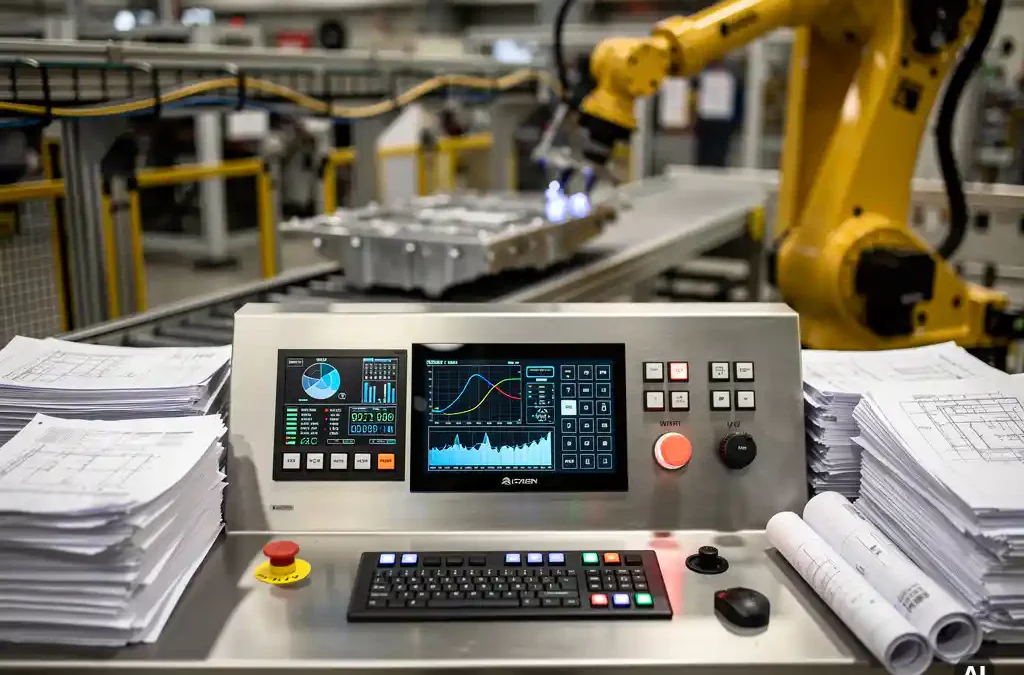
Master data is the backbone of any effective manufacturing platform. It serves as the central repository for all critical business information, ensuring consistency and accuracy across the board. In a digital shopfloor environment, master data encompasses everything from product specifications to employee skills, enabling seamless operations and informed decision-making. Understanding its role and managing it effectively are crucial for manufacturers looking to optimize their processes and embrace digital transformation.
Understanding Master Data
Master data refers to the core data that is essential for the operations of a manufacturing platform. It includes information such as factory setups, product details, and employee records. This data is defined once and used consistently across various systems and processes, ensuring that every department operates from the same set of facts.
In the context of a manufacturing platform like Factorise, master data forms the foundational layer that supports all operational suites. It provides a unified data model that eliminates silos and integration overhead, allowing for smoother workflows and improved efficiency. By maintaining a single source of truth, manufacturers can reduce errors and enhance productivity.
The Role of Master Data in Manufacturing Platforms
Master data plays a pivotal role in manufacturing platforms by serving as the central hub for all operational information. It enables the seamless flow of data between different modules and systems, ensuring that every aspect of the manufacturing process is aligned and synchronized.
For example, Factorise leverages master data to facilitate real-time issue resolution, optimize production performance, and manage workforce skills effectively. By integrating master data with operational suites, manufacturers can achieve faster time to value and lower initial investments, as they only pay for the modules they use. This composable architecture allows for a stepwise approach to digitalization, reducing risk and easing adoption.
Common Challenges in Managing Master Data
Managing master data can be challenging due to its complexity and the need for accuracy. One common issue is data duplication, which can lead to inconsistencies and errors. Ensuring data quality and consistency across different systems is essential for effective decision-making and process optimization.
Another challenge is the integration of master data with existing systems and processes. Manufacturers often struggle with aligning their master data with enterprise resource planning (ERP) systems and other operational technologies. This requires careful planning and execution to ensure seamless connectivity and data flow.
How to Implement Effective Master Data Management
Implementing effective master data management requires a strategic approach that focuses on data quality, consistency, and integration. Start by defining clear data governance policies and procedures to ensure that all data is accurate and up-to-date. Regular audits and data cleansing activities can help maintain data integrity.
Next, leverage technology to automate data management processes and integrate master data with existing systems. Platforms like Factorise offer connectivity options with ERP systems such as SAP and Microsoft Business Central, enabling seamless data flow and reducing manual effort. By adopting a composable architecture, manufacturers can gradually expand their digital capabilities without disrupting existing operations.
Why Master Data Matters for Digital Transformation
Master data is a critical component of digital transformation in manufacturing. It provides the foundation for data-driven insights and decision-making, enabling manufacturers to optimize their processes and improve operational efficiency. By ensuring data consistency and accuracy, master data supports the seamless integration of new technologies and processes.
In similar environments, teams have seen significant improvements in productivity and cost savings by leveraging master data effectively. For instance, manufacturers have reported a 28% productivity boost and 20% cost savings within weeks of deployment. This demonstrates the tangible benefits of investing in robust master data management as part of a broader digital transformation strategy.
Ready to take the first step? We like to start with a fit-gap session: a day or two to understand where you are, which pain points are most urgent, and which modules deliver the fastest value. Book your first fit-gap session. No sales pitch. Just an honest conversation about what's realistic.
Frequently Asked Questions
What is the difference between master data and transactional data in manufacturing?
Master data refers to the core, consistent data used across the manufacturing platform, such as product specifications and employee records, while transactional data involves the day-to-day operations data, like sales orders and production schedules. Master data remains relatively stable, whereas transactional data is dynamic and changes frequently.
How can manufacturers ensure data quality in master data management?
Manufacturers can ensure data quality by implementing strict data governance policies, conducting regular audits, and performing data cleansing activities. Using automated tools to manage data entry and updates can also help maintain consistency and accuracy.
What are the benefits of integrating master data with ERP systems?
Integrating master data with ERP systems ensures seamless data flow across different departments, reduces data silos, and enhances decision-making by providing a unified view of business operations. This integration can lead to improved efficiency and reduced operational costs.
How does master data contribute to digital transformation in manufacturing?
Master data provides a consistent and accurate data foundation, enabling manufacturers to leverage data-driven insights for process optimization and efficiency improvements. It supports the integration of new technologies and processes, facilitating a smoother digital transformation journey.
What are some common tools or platforms used for master data management in manufacturing?
Common tools for master data management include ERP systems like SAP and Microsoft Business Central, as well as specialized platforms like Factorise that offer connectivity options and composable architectures to integrate master data seamlessly with existing systems.
What steps should be taken to align master data with existing operational technologies?
To align master data with existing technologies, manufacturers should conduct a thorough analysis of current systems, define clear integration objectives, and use middleware or integration platforms to ensure seamless data exchange. Regularly updating and synchronizing data across systems is also crucial.
How can manufacturers address data duplication issues in master data management?
Manufacturers can address data duplication by implementing data validation rules, using deduplication tools, and establishing a centralized data management system that ensures all data entries are unique and consistent across the platform.
Related Articles
- What is ISA-88 and how does it structure a factory?
- How do you avoid shadow IT on the shop floor?
- What does a typical shopfloor digitalisation roadmap look like?
- What is an Andon system and how does it work?
- What is a digital shopfloor platform?
- What is the difference between a MES and a QMS?
- How do you reduce waste in a production process?
- What is the role of data in improving manufacturing performance?
- What metrics matter most in a manufacturing operation?
- How do you reduce operator errors on the shopfloor?
- What is a skill matrix in manufacturing?
- How do you reduce rework caused by operators following outdated procedures?
- How do you capture expert knowledge from a technician with 25 years of experience?
- What is reactive maintenance and why is it a problem?
- What is production efficiency in manufacturing?