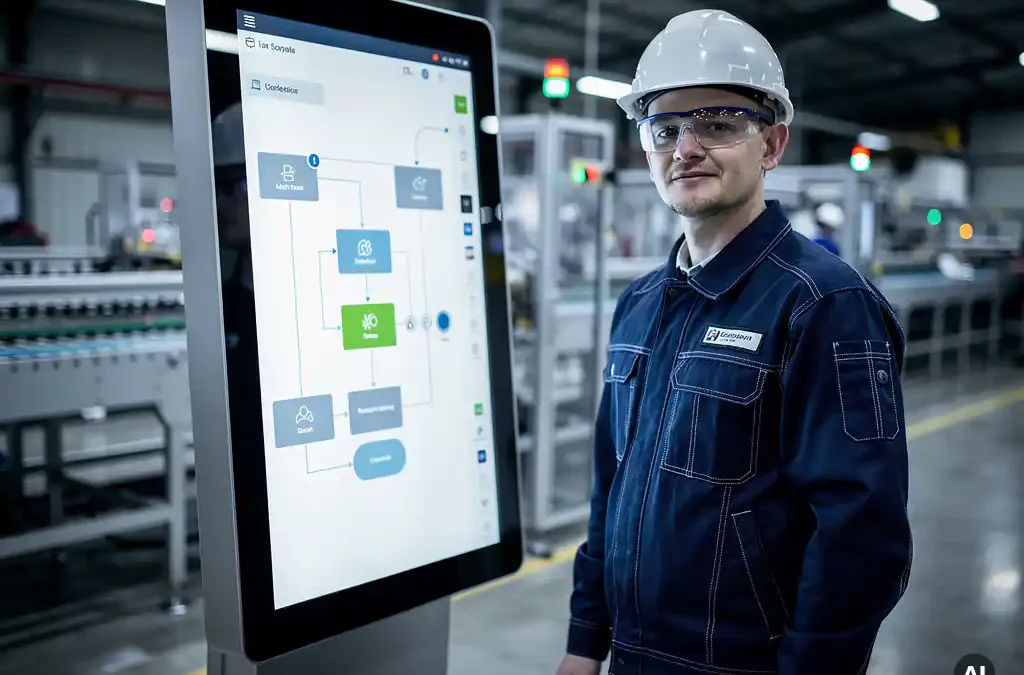
Introducing new shopfloor software in a manufacturing environment can be a daunting task. Operators, who are the backbone of factory operations, often have concerns about how these changes will impact their daily routines. To ensure a smooth transition and gain operator buy-in, it's crucial to address these concerns head-on. This article explores effective strategies to achieve operator buy-in for new shopfloor software, ensuring a seamless integration into existing workflows.
Understanding Operator Concerns with New Software
Operators are often wary of new software due to concerns about complexity, disruption, and job security. It's important to acknowledge these worries and address them directly. New software can initially seem like a threat, especially if operators fear it might replace their roles or add unnecessary complexity to their tasks.
To alleviate these concerns, it's essential to communicate that the software is designed to enhance their work, not replace it. By automating repetitive tasks, operators can focus on more critical aspects of production, improving job satisfaction and efficiency. Engaging operators early in the process and listening to their feedback can also help in tailoring the software to better fit their needs.
Communicating the Benefits of Shopfloor Software
Clearly communicating the benefits of new shopfloor software is key to gaining operator buy-in. Operators need to understand how the software will make their jobs easier and more efficient. Highlighting specific advantages, such as reducing manual data entry, minimizing errors, and providing real-time insights, can make a compelling case.
For instance, software that offers digital work instructions can standardize processes, ensuring consistency in production quality. This not only boosts productivity but also reduces onboarding time for new operators. By presenting these tangible benefits, operators are more likely to see the software as a valuable tool rather than a burden.
Involving Operators in the Software Selection Process
Involving operators in the software selection process can significantly increase their acceptance and enthusiasm for the new system. By soliciting their input and feedback, you can ensure that the software meets the practical needs of those who will use it daily. This collaborative approach not only empowers operators but also helps in identifying potential issues early on.
Operators can provide valuable insights into the specific challenges they face, which can guide the selection of features and functionalities that are most relevant. This involvement fosters a sense of ownership and commitment, making operators more likely to embrace the new technology.
Providing Adequate Training and Support
Training and support are critical components in ensuring successful adoption of new shopfloor software. Operators need to feel confident in their ability to use the software effectively. Comprehensive training programs, tailored to different learning styles, can help operators quickly become proficient with the new system.
Ongoing support is equally important. Providing access to resources such as user manuals, online tutorials, and a responsive helpdesk can make a significant difference. When operators know they have support available, they are more likely to experiment with and fully utilize the software's capabilities.
Measuring and Sharing Success Stories
Once the software is implemented, measuring its impact and sharing success stories can reinforce operator buy-in. Highlighting improvements in productivity, cost savings, and issue resolution can demonstrate the software's value. For example, manufacturers have reported a 28% productivity boost and 20% cost savings after deploying new shopfloor software.
Sharing these success stories within the organization can create a positive feedback loop. When operators see tangible results and hear from peers about the benefits, it builds confidence and encourages further engagement. This can also pave the way for future software enhancements and expansions.
Ready to take the first step? We like to start with a fit-gap session: a day or two to understand where you are, which pain points are most urgent, and which modules deliver the fastest value. Book your first fit-gap session. No sales pitch. Just an honest conversation about what's realistic.
Frequently Asked Questions
How long does it typically take for operators to adapt to new shopfloor software?
The adaptation period can vary depending on the complexity of the software and the level of support provided. However, with comprehensive training and ongoing support, operators can usually become proficient within a few weeks.
What are some common challenges operators face when learning new software?
Operators often face challenges such as understanding new interfaces, adapting to changes in workflow, and overcoming initial resistance to change. Providing clear instructions and support can help mitigate these challenges.
How can management ensure that operator feedback is effectively integrated into the software selection process?
Management can ensure effective integration by setting up regular feedback sessions, involving operators in pilot testing, and creating a feedback loop where suggestions are acknowledged and acted upon.
What types of training methods are most effective for operators learning new software?
Hands-on training, interactive workshops, and e-learning modules are effective methods. Tailoring training to different learning styles and providing real-world scenarios can enhance understanding and retention.
How can companies measure the success of new shopfloor software implementation?
Companies can measure success by tracking key performance indicators such as productivity levels, error rates, and cost savings. Regularly reviewing these metrics and comparing them to pre-implementation levels can provide insights into the software's impact.
Are there any risks associated with not involving operators in the software selection process?
Yes, not involving operators can lead to a mismatch between software capabilities and operator needs, resulting in low adoption rates, increased resistance, and potential disruptions in workflow.
What role does ongoing support play in the successful adoption of new software?
Ongoing support is crucial as it helps operators troubleshoot issues, explore advanced features, and continuously improve their skills. It ensures that operators feel confident and supported in using the software effectively.
Related Articles
- How do you connect legacy PLCs to modern software?
- Why do big-bang MES implementations take years?
- What does a typical shopfloor digitalisation roadmap look like?
- How do you give management real-time visibility into production?
- What does a successful MES implementation look like?
- Which manufacturers need a MES?
- What is traceability in manufacturing and how does a MES provide it?
- What is the difference between capacity and utilisation in manufacturing?
- What is the role of data in improving manufacturing performance?
- What is tribal knowledge in manufacturing?
- What does an audit finding related to work instructions look like?
- What is the role of AI in helping operators troubleshoot problems?
- How do you move from reactive to preventive maintenance in a factory?
- What causes low OEE in a factory?
- What is OEE in manufacturing?