
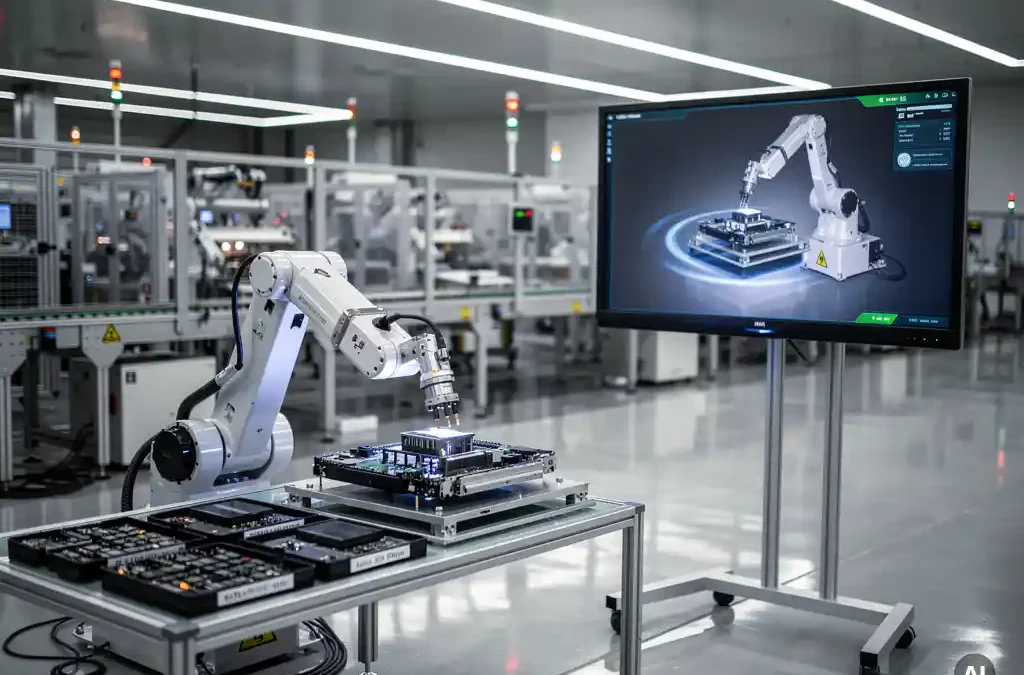
In the world of manufacturing, digital twins have become a pivotal technology, transforming how factories operate and innovate. A digital twin is essentially a virtual replica of a physical asset, process, or system. This technology allows manufacturers to simulate, predict, and optimize operations without disrupting the actual production environment. By leveraging digital twins, companies can enhance efficiency, reduce costs, and improve product quality. Let's delve into how digital twins are reshaping the manufacturing landscape.
Understanding the Concept of a Digital Twin
A digital twin is a dynamic, real-time digital counterpart of a physical object or system. It integrates data from various sources to create a comprehensive model that mirrors the physical world. This model is continuously updated with data from sensors and other inputs, allowing it to evolve alongside its physical counterpart.
The primary purpose of a digital twin is to provide insights into the performance and potential issues of a physical asset. By simulating different scenarios, manufacturers can predict outcomes, optimize processes, and make informed decisions. This capability is particularly beneficial in complex manufacturing environments where real-time data and predictive analytics are crucial for maintaining efficiency and productivity.
How Digital Twins Enhance Manufacturing Processes
Digital twins play a significant role in optimizing manufacturing processes. They enable manufacturers to monitor the performance of equipment and processes in real time, identifying inefficiencies and potential failures before they occur. This proactive approach reduces downtime and maintenance costs, leading to significant productivity improvements.
Moreover, digital twins facilitate better collaboration across teams. By providing a unified view of operations, they ensure that everyone from operators to plant managers has access to the same data. This transparency helps in aligning production goals and improving overall operational efficiency. For instance, manufacturers have reported productivity boosts and cost savings by integrating digital twins into their operations.
Integrating Digital Twins with Existing MES Systems
Integrating digital twins with Manufacturing Execution Systems (MES) can significantly enhance the capabilities of both technologies. MES systems manage and monitor production processes, while digital twins provide a detailed, real-time view of these processes. Together, they offer a powerful tool for optimizing manufacturing operations.
This integration allows manufacturers to simulate production scenarios, test changes in a virtual environment, and implement improvements without disrupting actual operations. By combining the strengths of MES systems and digital twins, manufacturers can achieve higher levels of efficiency, accuracy, and flexibility in their production processes.
Challenges in Implementing Digital Twins
Despite their benefits, implementing digital twins in manufacturing is not without challenges. One of the primary obstacles is the integration of digital twins with existing systems and processes. Ensuring compatibility and seamless data flow between different technologies can be complex and requires careful planning and execution.
Additionally, the initial investment in digital twin technology can be substantial. Manufacturers need to consider the costs of hardware, software, and the necessary infrastructure to support digital twins. However, the long-term benefits often outweigh these initial expenses, making digital twins a worthwhile investment for many manufacturers.
Future Trends in Digital Twin Technology
As technology continues to evolve, digital twins are expected to become even more sophisticated and integral to manufacturing processes. Advances in artificial intelligence and machine learning will enable digital twins to offer deeper insights and more accurate predictions, further enhancing their value.
Moreover, as the industrial Internet of Things (IoT) expands, the data available to digital twins will increase exponentially. This will allow for more comprehensive and detailed models, providing manufacturers with unprecedented levels of control and insight into their operations. As we move forward, digital twins will likely become a standard tool in the manufacturing industry, driving innovation and efficiency.
Ready to take the first step? We like to start with a fit-gap session: a day or two to understand where you are, which pain points are most urgent, and which modules deliver the fastest value. Book your first fit-gap session. No sales pitch. Just an honest conversation about what's realistic.
Frequently Asked Questions
What industries can benefit the most from digital twin technology?
While digital twins are highly beneficial in manufacturing, they are also used in industries such as aerospace, automotive, healthcare, and energy. These sectors can leverage digital twins to improve efficiency, predict maintenance needs, and enhance product development.
How do digital twins differ from traditional simulation models?
Digital twins are dynamic and continuously updated with real-time data, whereas traditional simulation models are often static and based on predefined scenarios. This real-time capability allows digital twins to provide more accurate and actionable insights.
What are the security concerns associated with digital twins?
Digital twins can be vulnerable to cyber threats as they involve the exchange of sensitive data. Ensuring robust cybersecurity measures, such as encryption and secure data transmission protocols, is essential to protect digital twin environments.
Can small and medium-sized enterprises (SMEs) afford to implement digital twins?
While the initial investment can be high, many SMEs find digital twins cost-effective in the long run due to improved efficiency and reduced downtime. Additionally, scalable solutions and cloud-based services can make digital twin technology more accessible to smaller businesses.
What role does AI play in enhancing digital twin technology?
AI enhances digital twin technology by providing advanced analytics and predictive capabilities. Machine learning algorithms can analyze data from digital twins to identify patterns, predict outcomes, and suggest optimizations, making the technology more powerful and insightful.
How can manufacturers measure the ROI of digital twin implementation?
Manufacturers can measure ROI by evaluating improvements in efficiency, reductions in downtime, cost savings, and enhanced product quality. Tracking these metrics over time can help determine the tangible benefits of digital twin implementation.
What are the key steps to successfully implement a digital twin in manufacturing?
Successful implementation involves several steps: assessing current systems, defining clear objectives, ensuring data compatibility, investing in the right technology, and training staff. Collaboration with technology partners can also facilitate a smoother integration process.
Related Articles
- What is a Kaizen event and how does it work?
- What is the difference between MES and ERP?
- What does "time to value" mean in a manufacturing software project?
- What is low-code and why does it matter for manufacturing software?
- Why do MES implementations take longer than expected?
- What is the difference between a MES and a QMS?
- How do you improve shift handover in a factory?
- What are digital work instructions in manufacturing?
- What is a skill matrix in manufacturing?
- What is the manufacturing skills gap and why is it getting worse?
- What is the cost of unplanned downtime in manufacturing?
- What is MTTR in manufacturing?
- What is the difference between real-time OEE and end-of-shift OEE?
- Why is 85% OEE considered world-class?
- What are the three components of OEE?