
“`html
Improving shift handover in a factory involves implementing structured digital processes that ensure seamless communication and information transfer between shifts. This approach reduces errors, saves time, and enhances productivity by providing clear, real-time data to incoming teams. Effective shift handovers are crucial for maintaining operational continuity and minimizing downtime. This article will explore various aspects of improving shift handovers, including technology enhancements and best practices.
What is shift handover in a factory?
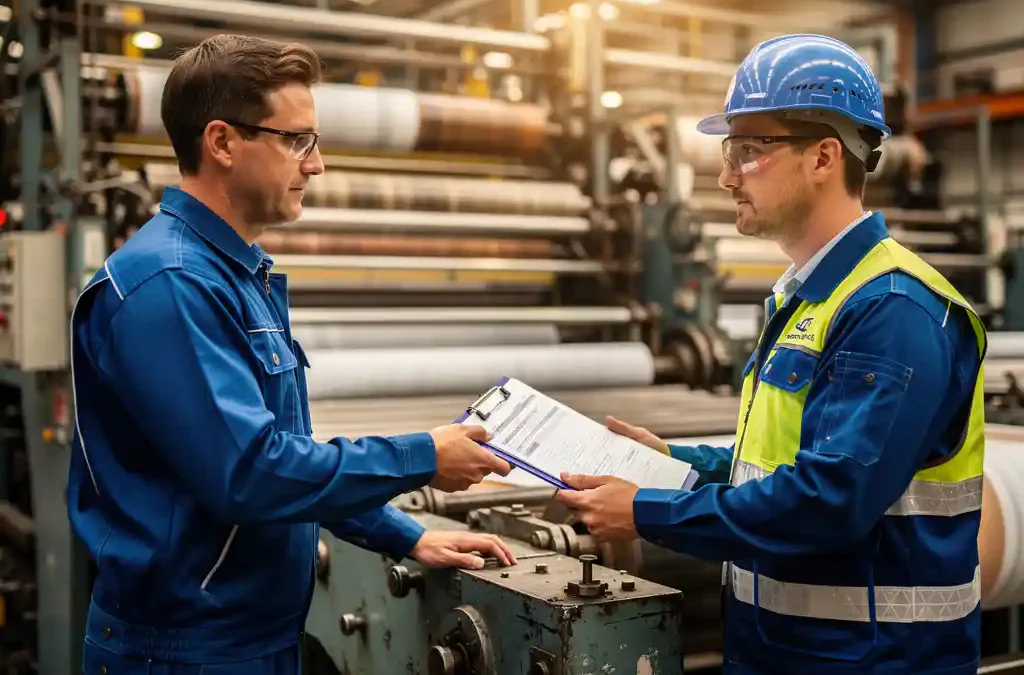
Shift handover in a factory is the process where outgoing operators transfer essential information to incoming teams to ensure continuity in operations. This typically includes details about ongoing tasks, equipment status, and any issues encountered during the previous shift. A well-executed handover minimizes disruptions and maintains productivity.
Shift handovers can be verbal, written, or digital. In traditional settings, these are often done through paper logs or verbal communication, which can lead to miscommunication and data loss. Transitioning to digital shift books, like those offered by Factorise, enhances the accuracy and accessibility of information, providing a reliable record of shift activities.
Why is improving shift handover important?
Improving shift handover is important because it directly impacts productivity, safety, and operational efficiency. Effective handovers ensure that the incoming team is fully informed about the current state of operations, reducing the risk of errors and accidents.
Inaccurate or incomplete handovers can lead to repeated mistakes, equipment downtime, and safety hazards. By streamlining the handover process, factories can achieve faster transitions, minimize downtime, and maintain a consistent flow of operations. Manufacturers have reported up to 85% faster shift handovers with digital solutions, significantly boosting overall efficiency.
How can technology enhance shift handover processes?
Technology enhances shift handover processes by digitizing information transfer, providing real-time data access, and enabling structured communication. Digital shift books replace traditional methods, offering a centralized platform for logging and accessing shift information.
With digital tools, operators can easily record and share data about machine performance, ongoing issues, and task priorities. This reduces reliance on memory and paper logs, ensuring that all critical information is accurately conveyed. Additionally, integration with other systems, such as OEE tracking, allows for comprehensive operational insights, further supporting continuous improvement in manufacturing.
What are the best practices for effective shift handover?
Best practices for effective shift handover include using a standardized digital log, ensuring clear communication, and conducting brief overlap meetings between shifts. These practices help in maintaining a seamless transition and reducing potential errors.
1. Use a Digital Shift Book: Implementing a digital system ensures all information is accurately recorded and easily accessible.
2. Standardize Procedures: Establish consistent protocols for what information needs to be communicated during handovers.
3. Conduct Overlap Meetings: Brief meetings allow outgoing and incoming teams to discuss critical issues face-to-face, ensuring clarity.
4. Regular Training: Continuous training on handover procedures keeps staff updated on best practices and system updates.
How do you train staff for better shift handovers?
Training staff for better shift handovers involves educating them on using digital tools, understanding communication protocols, and emphasizing the importance of accurate information transfer. Training sessions should be regular and include hands-on practice with the systems in use.
Effective training programs focus on familiarizing staff with digital shift books and ensuring they understand the significance of each data point recorded. Role-playing scenarios and feedback sessions can help reinforce learning and identify areas for improvement. Continuous training ensures that all team members are proficient in the handover process, contributing to smoother operations.
What challenges might you face in improving shift handover?
Challenges in improving shift handover include resistance to change, technological adoption hurdles, and ensuring consistent use of new systems. Addressing these challenges requires a strategic approach and ongoing support.
Resistance to change is common, especially when transitioning from familiar paper-based methods to digital solutions. Providing clear benefits and involving staff in the transition process can help mitigate this. Technological adoption may require additional training and support to ensure all team members are comfortable with the new systems. Consistency in using digital tools is crucial, requiring regular monitoring and reinforcement of best practices.
At Factorise, we understand the complexities of improving shift handovers and offer tailored solutions to fit your needs. Our digital manufacturing platform provides comprehensive tools to streamline these processes. Ready to take the first step? We like to start with a fit-gap session: a day or two to understand where you are, which pain points are most urgent, and which modules deliver the fastest value. Book your first fit-gap session. No sales pitch. Just an honest conversation about what’s realistic.
“`
Related Articles
- What is cross-site benchmarking in manufacturing?
- What is a connected worker platform?
- What is continuous improvement in manufacturing?
- What is the first step to implementing a MES in a midmarket factory?
- How do you standardise processes across shifts in a factory?
- How do you plan shifts when skills and qualifications vary across your team?
- Why does the same machine keep breaking down?
- What is MTBF and how do you calculate it?
- How to reduce downtime in manufacturing?
- How do you start measuring OEE if you have never done it before?
- What is a loss Pareto in manufacturing?
- Why does inconsistent OEE measurement make improvement impossible?
- What is the average OEE in manufacturing?
- How do you improve OEE in manufacturing?
- How is OEE calculated?