
“`html
Condition-based maintenance (CBM) in manufacturing is a proactive maintenance strategy that monitors the actual condition of equipment to determine the need for maintenance. It uses real-time data from sensors and other technologies to predict when maintenance should be performed, reducing factory downtime and preventing unexpected equipment failures. This approach is particularly useful in environments where unplanned downtime can significantly impact production efficiency and costs.
How does condition-based maintenance work?
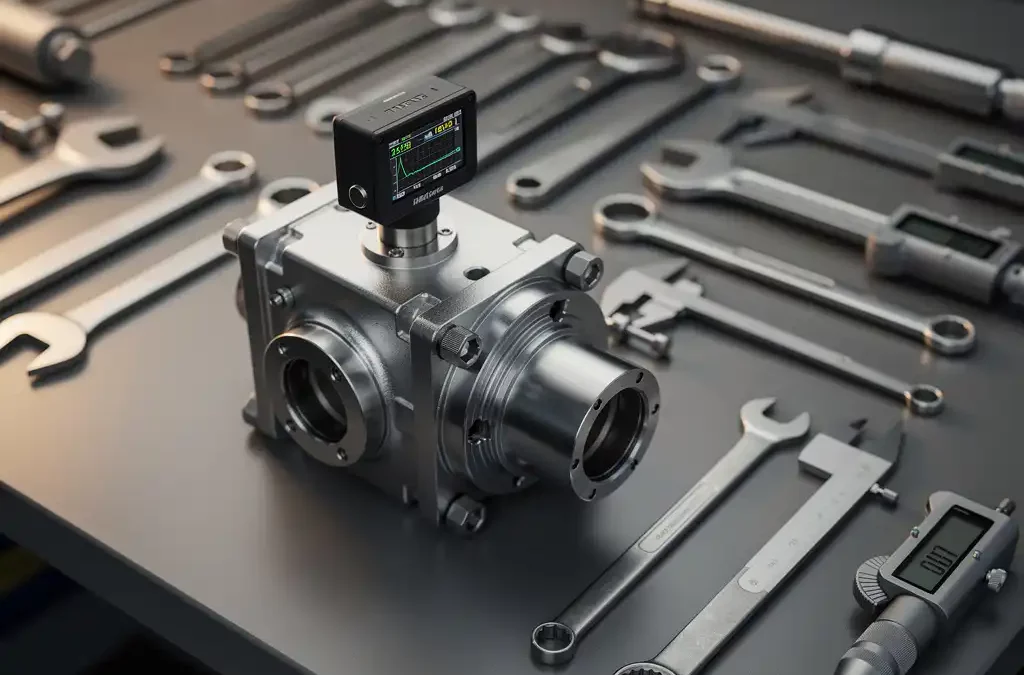
Condition-based maintenance works by continuously monitoring the health and performance of equipment through sensors and data analytics. These sensors collect data on various parameters such as temperature, vibration, and pressure, which are then analyzed to predict potential failures. By identifying issues before they lead to unplanned downtime, CBM helps reduce downtime in manufacturing and extend the lifespan of machinery.
The process involves setting specific thresholds for each monitored parameter. When these thresholds are breached, alerts are generated, prompting maintenance actions. This data-driven approach ensures maintenance is only performed when necessary, optimizing resources and minimizing disruptions.
What are the benefits of condition-based maintenance?
The benefits of condition-based maintenance include reduced unplanned downtime, lower maintenance costs, and improved equipment reliability. By addressing issues before they escalate, manufacturers can avoid costly repairs and extend the life of their machinery.
Moreover, CBM enhances safety by preventing catastrophic failures and allows for better planning of maintenance activities, reducing the impact on production schedules. This proactive maintenance strategy also supports continuous improvement initiatives by providing valuable insights into equipment performance and failure patterns.
How does condition-based maintenance differ from other maintenance strategies?
Condition-based maintenance differs from other strategies like preventive and reactive maintenance by focusing on the actual condition of equipment rather than time-based schedules or post-failure repairs. While preventive maintenance is scheduled at regular intervals regardless of equipment condition, CBM uses real-time data to schedule maintenance only when needed.
Reactive maintenance, on the other hand, involves repairing equipment after a failure has occurred, often leading to increased downtime and costs. CBM’s predictive nature helps reduce factory downtime by addressing potential issues before they result in equipment failure.
What industries benefit most from condition-based maintenance?
Industries that benefit most from condition-based maintenance include manufacturing, oil and gas, utilities, and transportation. These sectors rely heavily on machinery and equipment, where unplanned downtime can lead to significant financial losses and operational disruptions.
In manufacturing, CBM is particularly valuable as it helps reduce downtime in manufacturing processes, ensuring continuous production and quality control. The ability to predict and prevent equipment failures makes CBM an essential strategy for industries with high operational demands and safety requirements.
How can manufacturers implement condition-based maintenance?
Manufacturers can implement condition-based maintenance by integrating sensors and data analytics into their existing systems. This involves installing sensors on critical equipment to monitor parameters like temperature, vibration, and pressure, and using software to analyze the data for predictive insights.
To successfully implement CBM, manufacturers should start by identifying critical assets and setting up a data collection and analysis framework. Collaborating with technology providers and leveraging platforms like Factorise can streamline the process, ensuring seamless integration with existing systems.
What challenges might you face with condition-based maintenance?
Challenges in implementing condition-based maintenance include the initial cost of sensor installation and data analytics infrastructure, as well as the need for skilled personnel to interpret data and make informed decisions. Additionally, integrating CBM with existing systems can be complex, especially in facilities with outdated equipment.
Despite these challenges, the benefits of reducing manufacturing downtime and improving equipment reliability make CBM a worthwhile investment. Manufacturers should focus on phased implementation and continuous training to overcome these hurdles effectively. For more information on digital manufacturing solutions, visit Factorise’s digital manufacturing page.
Factorise offers a comprehensive platform that can support the implementation of condition-based maintenance by providing real-time insights and seamless integration with existing systems. Book your first fit-gap session to explore how our solutions can help reduce unplanned downtime and enhance operational efficiency. Ready to take the first step? We like to start with a fit-gap session: a day or two to understand where you are, which pain points are most urgent, and which modules deliver the fastest value. Book your first fit-gap session. No sales pitch. Just an honest conversation about what’s realistic.
“`
Related Articles
- What are the most common causes of machine downtime in a factory?
- What is the cost of unplanned downtime in manufacturing?
- What is preventive maintenance in manufacturing?
- What is MTTR in manufacturing?
- How to reduce downtime in manufacturing?
- What is unplanned downtime in manufacturing?
- What is the difference between real-time OEE and end-of-shift OEE?
- What is ISO 22400 and what does it have to do with OEE?
- Why does inconsistent OEE measurement make improvement impossible?
- How do you use OEE data to prioritise improvement?
- How do you improve OEE in manufacturing?
- What is production efficiency in manufacturing?
- How is OEE calculated?
- How do you know if your factory is performing as well as it should be?
- Why is the OEE number in most factories inaccurate?