
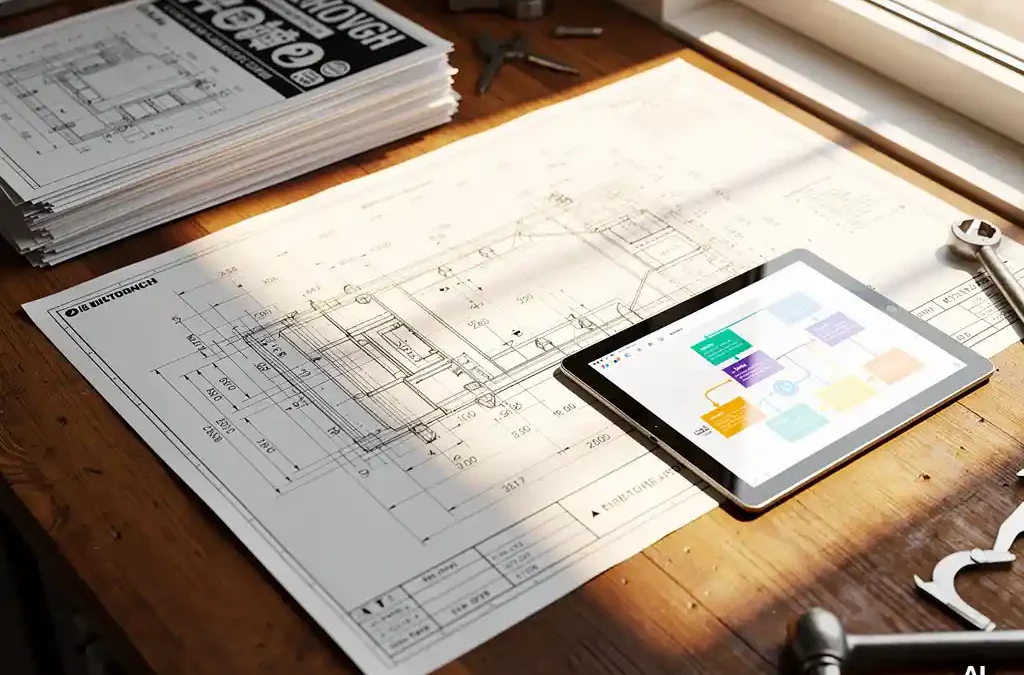
In the world of manufacturing, understanding the intricacies of production planning is crucial. Two key concepts often discussed are the Bill of Process (BOP) and the Bill of Materials (BOM). While both play vital roles in manufacturing, they serve different purposes and are used in distinct contexts. This article will delve into what a Bill of Process is, how it differs from a BOM, and why it's important in modern manufacturing. We'll also explore how to create an effective BOP, common challenges in its implementation, and real-world applications.
Understanding the Bill of Process
A Bill of Process (BOP) is an essential component of manufacturing that outlines the sequence of production steps required to create a product. It includes detailed instructions on materials, tools, skill requirements, and quality checks needed at each step. Unlike a Bill of Materials, which lists the components required for production, a BOP focuses on the process itself.
Factorise Software uses the BOP as the central process definition, offering three types: Routing by Line, Routing by Station, and Production BOP. Each type is designed to cater to different production setups, ensuring that tasks are executed efficiently. The BOP is crucial for maintaining consistency and quality across manufacturing processes, helping operators follow precise instructions and meet production standards.
Bill of Process vs. Bill of Materials
While both BOP and BOM are integral to manufacturing, they serve different purposes. A Bill of Materials is essentially a comprehensive list of all components and quantities needed to manufacture a product. It acts as a recipe, ensuring that all necessary parts are available for production.
On the other hand, a Bill of Process focuses on the "how" of production. It details the steps, tools, and skills required to transform raw materials into finished goods. This distinction is important because while a BOM ensures you have the right ingredients, a BOP ensures you follow the correct steps to produce a quality product.
The Importance of a Bill of Process in Modern Manufacturing
In today's manufacturing environment, the Bill of Process is more relevant than ever. It provides a structured approach to production, ensuring that every task is performed consistently and efficiently. This consistency is vital for maintaining quality and meeting regulatory standards.
Moreover, a well-defined BOP aids in skill gating, ensuring that only qualified personnel perform specific tasks. This is particularly important in industries where precision and compliance are critical. By using a BOP, manufacturers can reduce errors, improve productivity, and enhance overall operational efficiency.
How to Create an Effective Bill of Process
Creating an effective BOP involves several key steps. First, it's important to map out the entire production process, identifying each task and its requirements. This includes specifying materials, tools, skills, and quality checks needed at each stage.
Next, ensure that the BOP is dynamic and adaptable. Factorise Software's BOPs include version control, allowing for updates and improvements without disrupting production. This flexibility is crucial for accommodating changes in production methods or regulatory requirements.
Common Challenges in Implementing a Bill of Process
Implementing a BOP can present several challenges. One common issue is resistance to change, as operators may be accustomed to traditional methods. Overcoming this requires clear communication and training to demonstrate the benefits of a structured process.
Another challenge is ensuring that the BOP is comprehensive and accurate. This requires collaboration between different departments to capture all necessary details and avoid omissions. Regular reviews and updates are essential to keep the BOP relevant and effective.
Real-World Applications of a Bill of Process
In practice, a well-implemented BOP can lead to significant improvements in manufacturing operations. For instance, manufacturers have reported a 28% productivity improvement by standardizing changeover processes across shifts. Similarly, a structured BOP can reduce costs by minimizing waste and rework.
Factorise Software's platform integrates BOPs into its digital shopfloor solutions, enhancing production execution and performance. By providing real-time guidance and support through tools like the Co-Operator AI, manufacturers can ensure that every task is performed correctly and efficiently. **Learn more about digital manufacturing solutions**.
Ready to take the first step? We like to start with a fit-gap session: a day or two to understand where you are, which pain points are most urgent, and which modules deliver the fastest value. **Book your first fit-gap session**. No sales pitch. Just an honest conversation about what's realistic.
Frequently Asked Questions
What is the difference between a Bill of Process and a Bill of Materials?
A Bill of Process (BOP) outlines the sequence of production steps, including materials, tools, and skills needed, focusing on the process itself. A Bill of Materials (BOM), on the other hand, lists all components and quantities required to manufacture a product, focusing on the materials needed.
How can a Bill of Process improve manufacturing efficiency?
A BOP provides a structured approach to production, ensuring tasks are performed consistently and efficiently. This reduces errors, enhances quality, and improves productivity by standardizing processes and ensuring compliance with regulatory standards.
What are some common challenges in implementing a Bill of Process?
Common challenges include resistance to change from operators used to traditional methods and ensuring the BOP is comprehensive and accurate. Overcoming these challenges requires clear communication, training, and collaboration between departments.
How does version control in a Bill of Process work?
Version control allows for updates and improvements to the BOP without disrupting production. This flexibility is crucial for accommodating changes in production methods or regulatory requirements, ensuring the BOP remains relevant and effective.
What role does Factorise Software play in the implementation of a Bill of Process?
Factorise Software integrates BOPs into its digital shopfloor solutions, providing real-time guidance and support through tools like the Co-Operator AI. This enhances production execution and performance by ensuring tasks are performed correctly and efficiently.
How can manufacturers overcome resistance to change when implementing a BOP?
Overcoming resistance to change involves clear communication and training to demonstrate the benefits of a structured process. Engaging operators in the development and implementation process can also help ease the transition.
What are the benefits of using a structured BOP in manufacturing?
A structured BOP can lead to significant improvements, such as increased productivity, reduced costs by minimizing waste and rework, and enhanced compliance with quality and regulatory standards.
Related Articles
- What is a quality request in a factory?
- What is an Andon system and how does it work?
- What is Mendix and how is it used in manufacturing software?
- What are the biggest risks when implementing a MES?
- What is downtime tracking and why does it matter?
- What is the difference between capacity and utilisation in manufacturing?
- What is lean daily management in manufacturing?
- What metrics matter most in a manufacturing operation?
- How do you standardise processes across shifts in a factory?
- Why do new operators make the same mistakes as their predecessors?
- How do you document manufacturing knowledge before it is lost?
- How do you prevent equipment breakdowns in manufacturing?
- What is preventive maintenance in manufacturing?
- What is reactive maintenance and why is it a problem?
- What are the three components of OEE?