
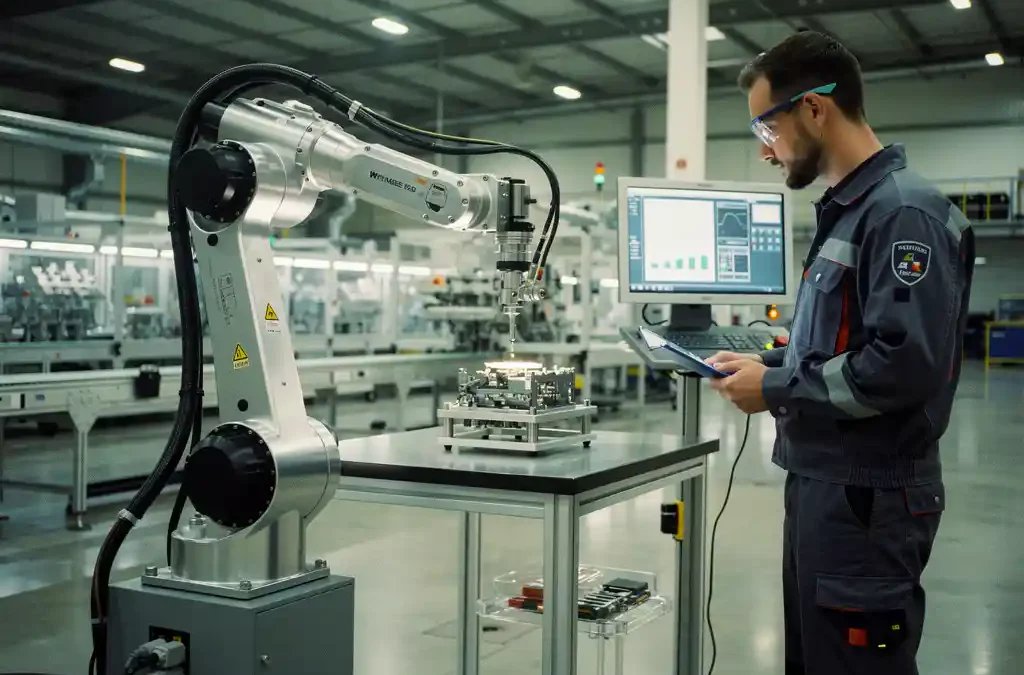
“`html
Continuous improvement in manufacturing is a systematic approach to enhancing production processes, reducing waste, and increasing efficiency through incremental changes. This method focuses on ongoing efforts to improve products, services, or processes by making small, consistent adjustments. It applies to all areas of manufacturing, helping companies remain competitive in an ever-evolving industry. Throughout this article, we’ll explore the benefits, methods, implementation strategies, challenges, and measurement of continuous improvement in manufacturing.
What is continuous improvement in manufacturing?
Continuous improvement in manufacturing is a process of making regular, incremental enhancements to production operations. It involves evaluating current processes, identifying inefficiencies, and implementing small changes that lead to significant long-term improvements. This approach helps manufacturers optimize production efficiency and capacity utilization while minimizing production losses.
By adopting continuous improvement practices, manufacturers can address common issues such as production bottlenecks, quality control problems, and waste reduction. The goal is to create a culture of constant evaluation and refinement, ensuring that production performance consistently improves over time.
How does continuous improvement benefit manufacturing operations?
Continuous improvement benefits manufacturing operations by enhancing production efficiency, reducing waste, and improving product quality. It leads to better resource utilization, lower operational costs, and increased customer satisfaction. By focusing on incremental changes, manufacturers can quickly adapt to market demands and technological advancements.
These benefits are achieved through methods like lean manufacturing, which emphasizes value creation and waste elimination. Continuous improvement also fosters a proactive culture where employees are encouraged to identify and solve problems, leading to a more engaged workforce and a more resilient production system.
What are common methods used for continuous improvement in manufacturing?
Common methods for continuous improvement in manufacturing include Lean, Six Sigma, and Kaizen. These methodologies focus on reducing waste, improving quality, and optimizing processes. Lean emphasizes eliminating non-value-added activities, while Six Sigma targets reducing process variation. Kaizen involves small, continuous changes for better efficiency.
Each of these methods provides a structured approach to identifying inefficiencies and implementing solutions. They often involve cross-functional teams working collaboratively to analyze data, brainstorm ideas, and test solutions. By integrating these methods, manufacturers can achieve significant production optimization and capacity utilization improvements.
How can manufacturers implement continuous improvement practices?
Manufacturers can implement continuous improvement practices by fostering a culture of open communication and collaboration. This involves training employees on improvement methodologies, setting clear goals, and encouraging feedback. Regularly reviewing processes and performance metrics helps identify areas for improvement.
Implementation often starts with small pilot projects to test new ideas before scaling successful practices across the organization. Utilizing digital tools and platforms, like Factorise’s digital shopfloor platform, can streamline the process by providing real-time data and insights for informed decision-making.
What challenges might manufacturers face with continuous improvement?
Manufacturers may face challenges such as resistance to change, lack of management support, and insufficient resources when implementing continuous improvement. Overcoming these obstacles requires strong leadership, clear communication, and a commitment to fostering a culture of continuous learning.
Additionally, aligning improvement initiatives with business goals and ensuring consistent follow-through can be difficult. Manufacturers must address these challenges by setting realistic expectations, providing necessary training, and celebrating small wins to maintain momentum and engagement.
How do you measure the success of continuous improvement initiatives?
The success of continuous improvement initiatives is measured by tracking key performance indicators (KPIs) such as production efficiency, quality improvements, and cost reductions. Regularly reviewing these metrics helps assess progress and identify areas for further improvement. Feedback from employees and customers also provides valuable insights.
Using digital tools to collect and analyze data can enhance measurement accuracy and provide a comprehensive view of the impact of improvement efforts. This data-driven approach enables manufacturers to make informed decisions and continuously refine their strategies for optimal production performance.
Why is continuous improvement important for staying competitive?
Continuous improvement is crucial for staying competitive because it enables manufacturers to adapt quickly to changing market demands and technological advancements. By consistently refining processes and enhancing production efficiency, companies can reduce costs, improve quality, and increase customer satisfaction.
In a competitive manufacturing landscape, maintaining a culture of continuous improvement ensures that businesses remain agile and responsive. This proactive approach not only helps in addressing current challenges but also prepares manufacturers for future opportunities and threats. By leveraging tools like Factorise’s digital manufacturing platform, companies can streamline their improvement efforts and achieve sustainable growth.
Ready to take the first step? We like to start with a fit-gap session: a day or two to understand where you are, which pain points are most urgent, and which modules deliver the fastest value. Book your first fit-gap session. No sales pitch. Just an honest conversation about what’s realistic.
“`
Related Articles
- How do you choose between buying and building shopfloor software?
- What is a composable MES and why does it matter?
- How do you reduce dependency on experienced operators?
- What is the six big losses model in manufacturing?
- How do you calculate overall equipment effectiveness manually?
- How do you onboard new manufacturing operators faster?
- What is the manufacturing skills gap and why is it getting worse?
- How do regulated manufacturers manage work instruction compliance?
- What is the cost of unplanned downtime in manufacturing?
- What is reactive maintenance and why is it a problem?
- How do you start measuring OEE if you have never done it before?
- How do you improve OEE in manufacturing?
- How do you build a performance culture on the shopfloor?
- How do you solve recurring problems on the shopfloor?
- What are the three components of OEE?