
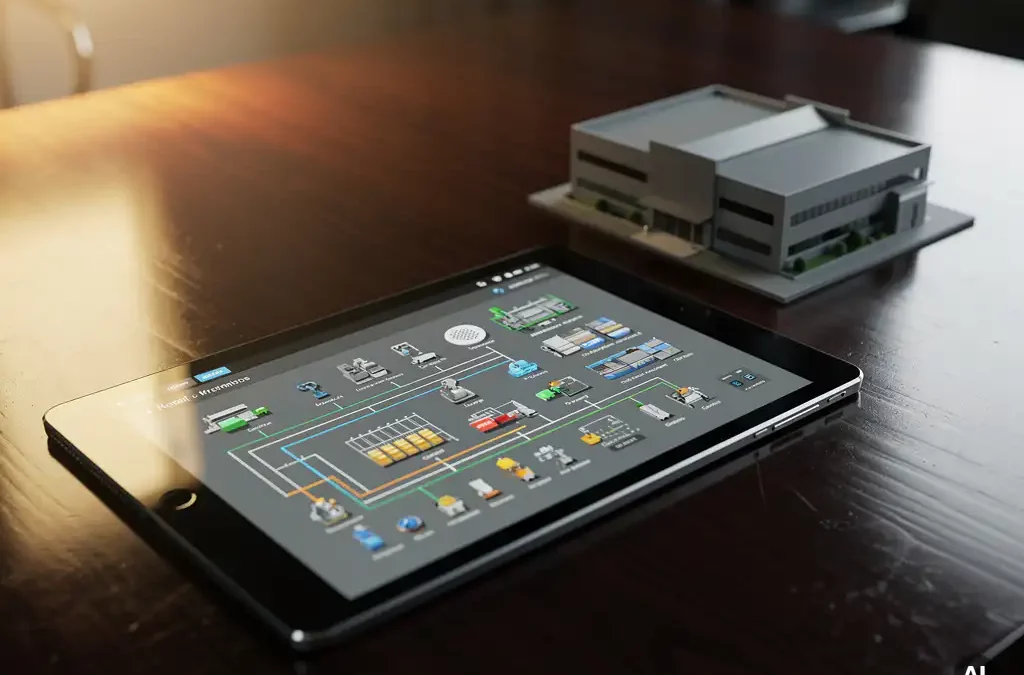
Setting up a factory structure in a digital platform can be a game-changer for manufacturing operations. It involves creating a digital representation of your factory's physical layout, processes, and workflows to enhance efficiency and productivity. This setup allows you to manage and monitor operations in real time, providing insights that can lead to significant improvements. By leveraging a digital platform like Factorise, manufacturers can streamline their processes, reduce downtime, and make informed decisions based on accurate data. Let's explore how digital factory structures work and why they are crucial for modern manufacturing.
Understanding the Basics of Digital Factory Structures
A digital factory structure is essentially a virtual model of a manufacturing facility. It includes detailed representations of equipment, workflows, and processes. This model allows for real-time monitoring and management of operations, providing insights that can drive efficiency and productivity improvements. For instance, with Factorise, you can set up a comprehensive digital work instruction system that guides operators through each step of the production process, ensuring consistency and quality.
Implementing a digital factory structure involves defining key elements such as production lines, workstations, and material flows. This setup is not just about replicating the physical layout but also about integrating data from various sources to provide a holistic view of operations. By doing so, manufacturers can identify bottlenecks, optimize resource allocation, and improve overall production efficiency.
Why Digital Platforms Are Transforming Manufacturing
Digital platforms are revolutionizing the manufacturing industry by enabling real-time data access and analysis. These platforms provide a centralized hub for managing all aspects of production, from scheduling and resource allocation to quality control and maintenance. By using a digital platform like Factorise, manufacturers can achieve significant productivity gains and cost savings.
One of the key benefits of digital platforms is their ability to provide real-time visibility into operations. This capability allows manufacturers to monitor performance metrics such as Overall Equipment Effectiveness (OEE) and quickly address any issues that arise. Additionally, digital platforms facilitate better communication and collaboration across teams, leading to improved decision-making and faster issue resolution.
Steps to Implement a Digital Shopfloor Platform
Implementing a digital shopfloor platform involves several key steps. First, it's essential to establish a digital foundation by defining the factory structure, including sites, areas, lines, and workstations. This step provides the groundwork for integrating other digital tools and processes.
Next, manufacturers should focus on connecting critical production lines to live tracking systems. This connection allows for real-time monitoring of performance metrics and helps identify areas for improvement. Once the foundation is in place, the next step is to expand the platform's coverage by integrating additional modules such as production execution, daily management, and maintenance.
Common Challenges in Digital Factory Setups and How to Overcome Them
While digital factory setups offer numerous benefits, they also come with challenges. One common issue is data integration, as manufacturers often struggle to connect disparate systems and data sources. To overcome this challenge, it's crucial to choose a platform like Factorise that offers seamless integration with existing systems and data sources.
Another challenge is the resistance to change from employees who may be accustomed to traditional processes. To address this, manufacturers should provide comprehensive training and support to ensure a smooth transition to the new digital platform. Additionally, involving employees in the implementation process can help increase buy-in and reduce resistance.
How to Choose the Right Digital Platform for Your Factory
Choosing the right digital platform for your factory involves evaluating several factors. First, consider the platform's ability to integrate with your existing systems and data sources. A platform like Factorise, built on Mendix, offers seamless integration and can adapt to your specific needs.
It's also important to assess the platform's scalability and flexibility. As your manufacturing operations grow, the platform should be able to accommodate new processes and technologies. Additionally, consider the platform's user interface and ease of use, as this will impact employee adoption and overall effectiveness.
Real-World Examples of Successful Digital Factory Transformations
Many manufacturers have successfully transformed their operations using digital platforms. For example, Pally Biscuits reported a 28% productivity boost and 20% cost savings after implementing Factorise. Similarly, Kemira achieved a global rollout across 61 sites, supported by a small central team, thanks to the platform's connected worker model.
These examples demonstrate the tangible benefits of digital factory transformations, including improved efficiency, reduced costs, and enhanced collaboration. By leveraging a digital platform, manufacturers can achieve similar results and position themselves for long-term success.
Future Trends in Digital Manufacturing
As technology continues to evolve, digital manufacturing is poised to undergo significant changes. Future trends include increased use of artificial intelligence and machine learning to optimize production processes and enhance decision-making. Additionally, the integration of IoT devices will provide even greater visibility into operations, enabling manufacturers to make data-driven decisions in real time.
Another emerging trend is the shift towards more sustainable manufacturing practices. Digital platforms can play a crucial role in this by providing insights into energy usage and waste reduction opportunities. By staying ahead of these trends, manufacturers can ensure they remain competitive in the ever-changing manufacturing landscape.
Ready to take the first step? We like to start with a fit-gap session: a day or two to understand where you are, which pain points are most urgent, and which modules deliver the fastest value. Book your first fit-gap session. No sales pitch. Just an honest conversation about what's realistic.
Frequently Asked Questions
What are the key benefits of implementing a digital factory structure?
Implementing a digital factory structure offers several key benefits, including improved efficiency and productivity, real-time monitoring and management of operations, and the ability to make informed decisions based on accurate data. This setup can help identify bottlenecks, optimize resource allocation, and improve overall production efficiency.
How can manufacturers overcome resistance to change when implementing digital platforms?
To overcome resistance to change, manufacturers should provide comprehensive training and support to employees. Involving employees in the implementation process and clearly communicating the benefits of the new system can also increase buy-in and reduce resistance.
What should manufacturers consider when choosing a digital platform for their factory?
When choosing a digital platform, manufacturers should consider the platform's ability to integrate with existing systems, its scalability and flexibility, and the user interface's ease of use. Evaluating these factors will ensure the platform meets the specific needs of the factory and supports long-term growth.
How do digital platforms enhance collaboration and communication in manufacturing?
Digital platforms enhance collaboration and communication by providing a centralized hub for managing production aspects. This centralization allows for better coordination across teams, improved decision-making, and faster issue resolution, ultimately leading to increased productivity and efficiency.
What are some common challenges in setting up a digital factory and how can they be addressed?
Common challenges include data integration issues and resistance to change. These can be addressed by selecting a platform with seamless integration capabilities and providing thorough training and support to employees to ease the transition to the new system.
How can digital platforms contribute to sustainable manufacturing practices?
Digital platforms can contribute to sustainable manufacturing by providing insights into energy usage and waste reduction opportunities. By analyzing data from these platforms, manufacturers can implement practices that reduce their environmental impact and improve resource efficiency.
Related Articles
- What is low-code and why does it matter for manufacturing software?
- What is a digital twin in manufacturing?
- How do you build a business case for shopfloor digitalisation?
- What does a successful MES implementation look like?
- What is the business case for a MES?
- How do you reduce operator errors on the shopfloor?
- What is skill management in manufacturing?
- How do you document manufacturing knowledge before it is lost?
- What is the role of AI in helping operators troubleshoot problems?
- How do you connect maintenance and production teams to reduce downtime?
- What is preventive maintenance in manufacturing?
- How do you build a performance culture on the shopfloor?
- What is performance in OEE?
- How do you calculate availability in OEE?
- How do you measure performance losses in OEE?