
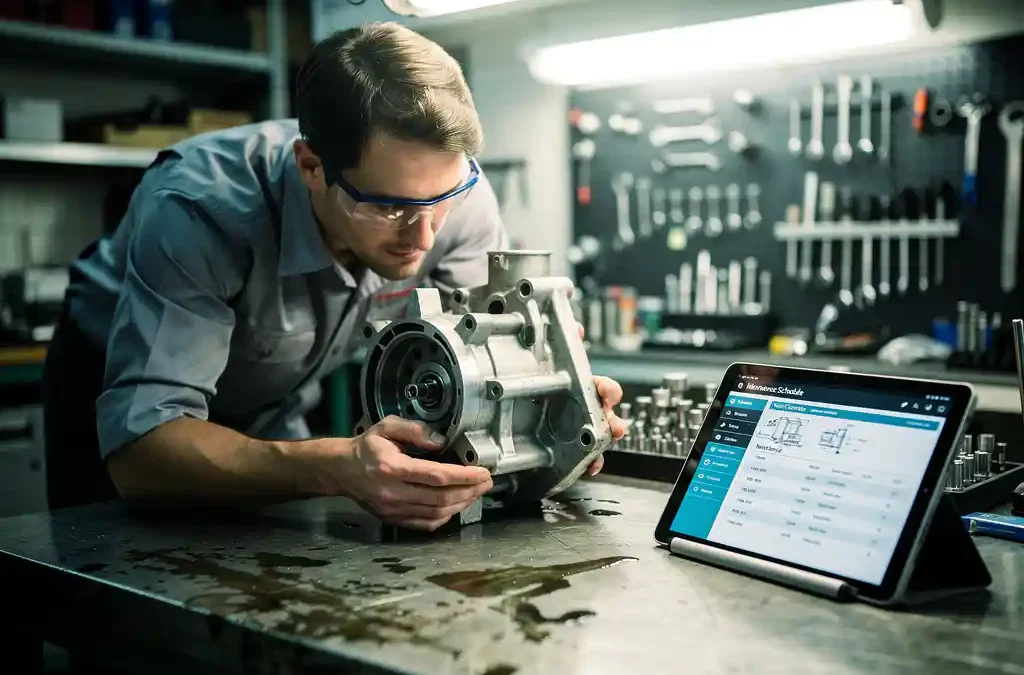
Preventive maintenance in manufacturing is a proactive approach that involves regular and systematic inspection, detection, and correction of incipient failures before they become major issues. This strategy aims to reduce unplanned downtime by maintaining equipment in optimal working condition. By implementing preventive maintenance, manufacturers can enhance productivity, extend equipment lifespan, and minimize factory downtime.
How does preventive maintenance benefit manufacturing operations?
Preventive maintenance benefits manufacturing operations by reducing unplanned downtime, improving equipment reliability, and enhancing overall productivity. Regular maintenance checks help identify potential issues before they lead to equipment failure, ensuring that machines run smoothly and efficiently. This proactive approach also extends the lifespan of machinery and reduces repair costs, contributing to cost savings and operational efficiency.
In addition to minimizing downtime, preventive maintenance supports a safer work environment by ensuring that equipment operates safely and within specified parameters. It also helps maintain product quality by preventing defects caused by equipment malfunctions. Overall, preventive maintenance is a key strategy for optimizing manufacturing performance and achieving consistent production outcomes.
What are common preventive maintenance tasks in manufacturing?
Common preventive maintenance tasks in manufacturing include routine inspections, cleaning, lubrication, and parts replacement. These tasks are designed to keep equipment in good working condition and prevent unexpected failures. Regular inspections help identify wear and tear, allowing for timely repairs or adjustments. Cleaning and lubrication ensure that machinery operates smoothly and efficiently, reducing the risk of breakdowns.
Parts replacement is another critical aspect of preventive maintenance. By replacing worn or damaged components before they fail, manufacturers can avoid costly repairs and extended downtime. Calibration and alignment checks are also essential to ensure that equipment operates at optimal performance levels. Together, these tasks form a comprehensive preventive maintenance program that supports reliable manufacturing operations.
How to implement a preventive maintenance program in your factory?
Implementing a preventive maintenance program in your factory involves several key steps: assessing current maintenance practices, developing a maintenance schedule, and training staff. Start by evaluating your existing maintenance procedures to identify areas for improvement. This assessment will help you design a tailored program that addresses your factory’s specific needs.
Next, create a maintenance schedule that outlines regular tasks and inspections. This schedule should be based on equipment usage, manufacturer recommendations, and historical data. Ensure that staff are trained on maintenance procedures and understand the importance of adhering to the schedule. Finally, use maintenance software to track tasks, monitor equipment performance, and adjust the program as needed for continuous improvement.
What tools and technologies support preventive maintenance?
Tools and technologies that support preventive maintenance include maintenance management software, condition monitoring devices, and mobile applications. Maintenance management software helps track maintenance tasks, schedule inspections, and manage work orders. This software provides a centralized platform for organizing maintenance activities and ensuring that tasks are completed on time.
Condition monitoring devices, such as sensors and diagnostic tools, provide real-time data on equipment performance. These devices help identify potential issues early, allowing for timely interventions. Mobile applications enable maintenance staff to access information and update records on the go, improving efficiency and communication. Together, these tools and technologies enhance the effectiveness of preventive maintenance programs.
How to measure the success of a preventive maintenance program?
The success of a preventive maintenance program can be measured by tracking key performance indicators (KPIs) such as equipment uptime, maintenance costs, and mean time between failures (MTBF). High equipment uptime and reduced maintenance costs indicate a successful program. Monitoring MTBF helps assess the reliability of equipment and the effectiveness of maintenance strategies.
Additionally, tracking the number of unplanned downtime incidents and comparing them to historical data provides insight into the program’s impact. Regularly reviewing these metrics allows manufacturers to adjust their maintenance strategies and ensure continuous improvement. By focusing on these KPIs, manufacturers can evaluate the effectiveness of their preventive maintenance efforts and make informed decisions for future enhancements.
At Factorise, we understand the importance of reducing unplanned downtime and optimizing manufacturing operations. Our digital shopfloor platform offers a comprehensive solution for managing maintenance tasks and improving factory performance. Ready to take the first step? We like to start with a fit-gap session: a day or two to understand where you are, which pain points are most urgent, and which modules deliver the fastest value. Book your first fit-gap session. No sales pitch. Just an honest conversation about what’s realistic.
Related Articles
- What are the most common causes of machine downtime in a factory?
- What is the cost of unplanned downtime in manufacturing?
- How do you track machine downtime in a factory?
- How do you improve production efficiency in a factory?
- How to reduce downtime in manufacturing?
- How do you start measuring OEE if you have never done it before?
- Why do most factories measure OEE but few act on it?
- Why does inconsistent OEE measurement make improvement impossible?
- What is the average OEE in manufacturing?
- How do you build a performance culture on the shopfloor?
- What is a good OEE score for a manufacturing plant?
- How is OEE calculated?
- What is performance in OEE?
- What is the difference between a reactive and a proactive manufacturing operation?
- How do you calculate availability in OEE?