
“`html
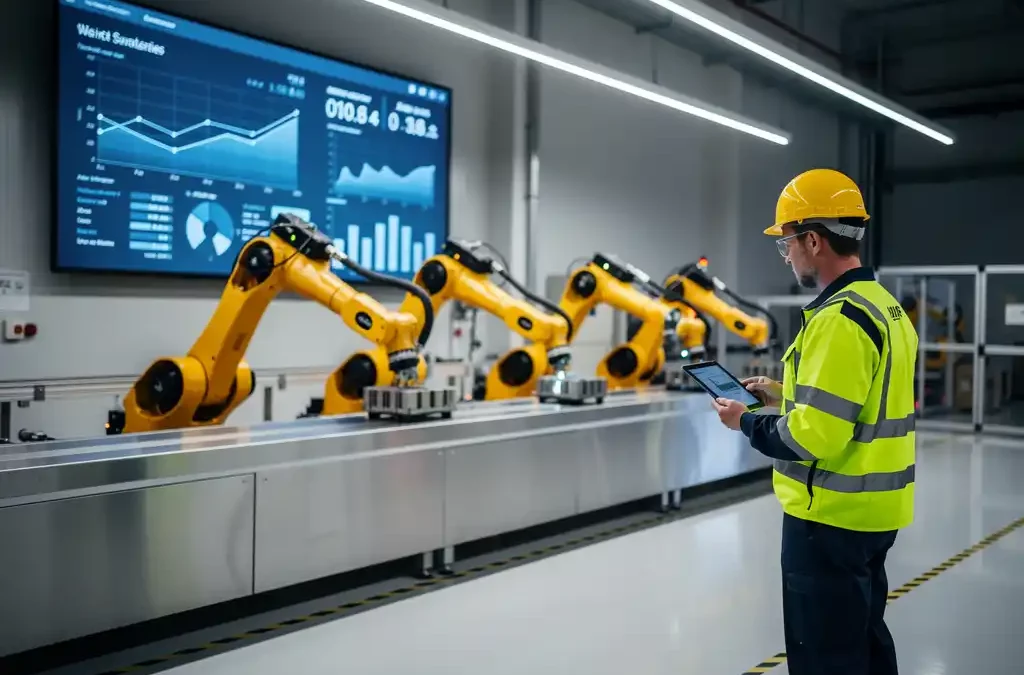
Data plays a pivotal role in enhancing manufacturing performance by providing real-time insights and enabling data-driven decisions. It helps manufacturers identify inefficiencies, optimize production processes, and reduce waste. By leveraging data, manufacturers can improve production efficiency, increase capacity utilization, and perform detailed production loss analysis, ultimately boosting overall production performance.
In manufacturing, the integration of data allows for a more transparent and responsive production environment. This is crucial for addressing operational challenges and achieving optimal production outcomes. The following sections will delve into how data-driven manufacturing works, the benefits it brings, and the challenges manufacturers face in implementing it effectively.
What is data-driven manufacturing?
Data-driven manufacturing refers to the use of data analytics to inform and improve manufacturing processes. It involves collecting and analyzing data from various sources to enhance production efficiency and optimize operations. This approach allows manufacturers to make informed decisions that enhance production capacity utilization and reduce production loss.
By integrating data from machines, sensors, and production systems, manufacturers can gain insights into their operations, enabling them to streamline processes and improve production performance. This method not only helps identify bottlenecks but also helps predict maintenance needs and optimize resource allocation.
How does data improve manufacturing efficiency?
Data improves manufacturing efficiency by providing actionable insights that help optimize production processes and reduce waste. It enables manufacturers to monitor production performance in real-time, allowing for quick adjustments to minimize production loss and maximize capacity utilization.
With data, manufacturers can conduct detailed production loss analysis to identify inefficiencies and implement solutions that enhance production efficiency. This leads to better resource management, reduced downtime, and improved product quality, ultimately boosting overall manufacturing performance.
What are the key data sources in manufacturing?
Key data sources in manufacturing include machine sensors, production systems, and enterprise resource planning (ERP) systems. These sources provide valuable data on production capacity utilization, machine performance, and production loss, which are critical for optimizing manufacturing processes.
Machine sensors capture data on operational parameters such as temperature, speed, and vibration, while production systems track production performance metrics like output and efficiency. ERP systems integrate data across various functions, providing a comprehensive view of the manufacturing process.
How can manufacturers start using data effectively?
Manufacturers can start using data effectively by implementing a structured data collection and analysis strategy. This involves identifying key performance indicators (KPIs) related to production efficiency and capacity utilization and using data analytics tools to monitor and analyze these metrics.
To begin, manufacturers should focus on integrating data from existing systems and sensors, conducting production loss analysis to identify areas for improvement, and leveraging data-driven insights to optimize production processes. Collaborating with technology partners can also facilitate effective data utilization.
What challenges do manufacturers face with data integration?
Manufacturers face challenges with data integration due to the disparate nature of IT and OT systems, which often operate on different protocols and standards. This IT/OT gap can hinder the seamless flow of data necessary for comprehensive production optimization and performance analysis.
Integrating these systems involves overcoming technical barriers, such as incompatible data formats and communication protocols, which can be costly and time-consuming. Manufacturers need to adopt open standards and invest in platforms that facilitate data integration to overcome these challenges.
How does data analytics support decision-making in manufacturing?
Data analytics supports decision-making in manufacturing by providing insights that inform strategic and operational decisions. It enables manufacturers to perform production loss analysis, optimize production capacity utilization, and enhance production performance through data-driven insights.
By analyzing data, manufacturers can identify trends, predict maintenance needs, and optimize resource allocation, leading to improved efficiency and reduced costs. Data analytics also supports continuous improvement initiatives by highlighting areas for process optimization and innovation.
Why is real-time data crucial for manufacturing success?
Real-time data is crucial for manufacturing success because it enables an immediate response to production issues, minimizing downtime and production loss. It provides manufacturers with up-to-date insights into production performance, allowing for timely adjustments to optimize capacity utilization.
Access to real-time data ensures that manufacturers can quickly identify and address inefficiencies, maintain high production efficiency, and improve overall production performance. This agility is essential for staying competitive in the fast-paced manufacturing industry.
At Factorise, we understand the importance of data in manufacturing. Our digital manufacturing platform helps manufacturers harness the power of data to improve production efficiency and optimize operations. Ready to take the first step? We like to start with a fit-gap session: a day or two to understand where you are, which pain points are most urgent, and which modules deliver the fastest value. Book your first fit-gap session. No sales pitch. Just an honest conversation about what’s realistic.
“`
Related Articles
- How do you connect legacy PLCs to modern software?
- How do you integrate SAP with a shopfloor system?
- What is Industry 4.0 and what does it mean in practice?
- How do you reduce double data entry in a factory?
- Why do MES implementations take longer than expected?
- What is traceability in manufacturing and how does a MES provide it?
- What is continuous improvement in manufacturing?
- What is lean daily management in manufacturing?
- How do you prevent knowledge loss when key employees retire?
- How do you standardise processes across shifts in a factory?
- How do you make factory documentation accessible to operators on the production line?
- What is the cost of unplanned downtime in manufacturing?
- What is the difference between planned and unplanned downtime?
- What is a good OEE score for a manufacturing plant?
- What is OEE in manufacturing?