
“`html
Tracking production performance across multiple shifts involves using real-time data and digital tools to monitor efficiency, output, and downtime. This approach helps manufacturers maintain consistent productivity and identify areas for improvement. By implementing structured performance tracking, factories can enhance production efficiency, optimize resource utilization, and reduce production losses. This article will explore effective strategies and tools for tracking performance across shifts.
What is production performance tracking and why is it important?
Production performance tracking is the process of monitoring and analyzing the efficiency and effectiveness of manufacturing operations. It is important because it helps identify bottlenecks, optimize resource allocation, and improve overall production efficiency. By tracking key metrics such as OEE (Overall Equipment Effectiveness), manufacturers can make informed decisions to enhance productivity and reduce production losses.
Effective performance tracking provides insights into production capacity utilization and highlights areas where improvements can be made. This is crucial for maintaining a competitive advantage and meeting customer demands. Additionally, it allows for proactive maintenance and a quicker response to issues, minimizing downtime and maximizing output.
How can you effectively track performance across multiple shifts?
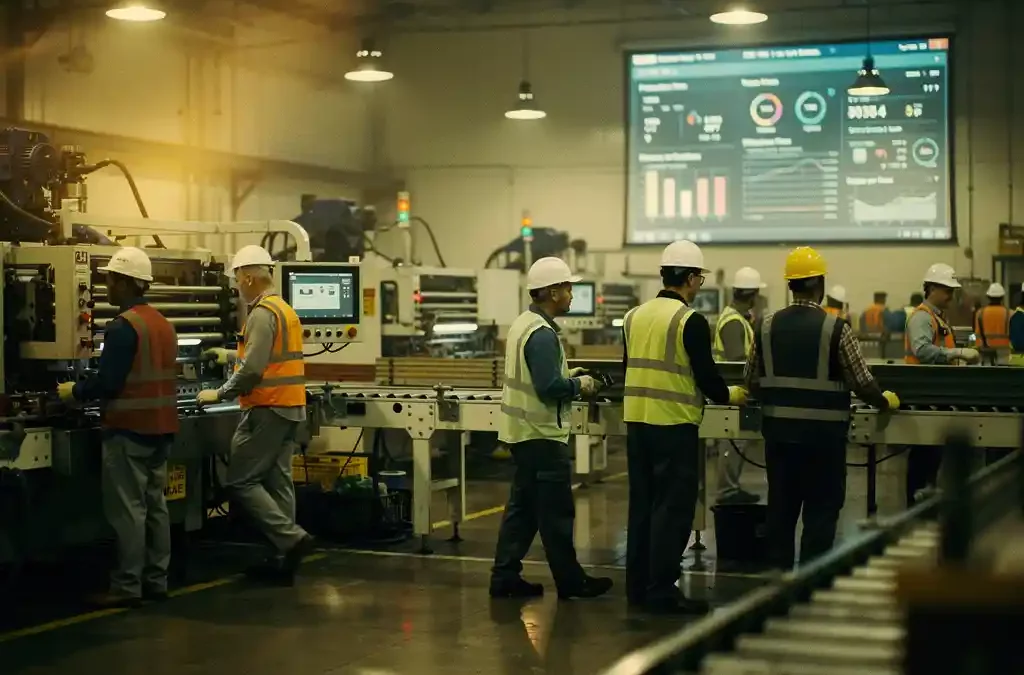
To effectively track performance across multiple shifts, manufacturers should implement a standardized system that captures real-time data and provides clear visibility into operations. This involves using digital tools that integrate with existing systems to collect and analyze data from all shifts consistently. Key steps include setting performance benchmarks, using dashboards for real-time monitoring, and ensuring seamless communication between shifts.
By establishing a structured handover process, critical information is retained between shifts, reducing the time spent figuring out the current state of operations. Additionally, using digital shift handover logs with KPIs ensures that incoming teams have immediate access to the necessary information to maintain productivity.
What tools are available for monitoring shift performance?
Several tools are available for monitoring shift performance, including digital dashboards, real-time data collection systems, and performance analysis software. These tools provide a comprehensive view of production metrics such as output, downtime, and OEE. They enable manufacturers to visualize data across shifts and identify trends or issues quickly.
Tools like the Andon Cockpit offer configurable dashboards with custom KPI tiles and trend charts, while the Production Cascade visualizes OEE, output, and downtime across lines and shifts. These solutions help maintain consistent production performance and facilitate informed decision-making.
How does real-time data improve shift performance tracking?
Real-time data improves shift performance tracking by providing immediate insights into production operations, allowing for quick identification and resolution of issues. This leads to faster response times and reduces the likelihood of prolonged downtime. Real-time data enables continuous monitoring of key performance indicators, ensuring that shifts operate efficiently and effectively.
With real-time data, manufacturers can detect deviations from expected performance promptly and implement corrective actions. This proactive approach not only enhances production efficiency but also reveals hidden capacity, helping factories utilize their resources more effectively.
What are the challenges in tracking production performance across shifts?
Challenges in tracking production performance across shifts include inconsistent data collection, information loss during shift handovers, and reliance on manual processes. These issues can lead to delays in identifying performance bottlenecks and hinder effective decision-making. Additionally, a lack of integration between systems can result in fragmented data, making it difficult to gain a holistic view of production performance.
To overcome these challenges, manufacturers should adopt digital solutions that provide real-time data and seamless integration with existing systems. This ensures consistent data collection and analysis across all shifts, reducing the potential for errors and inefficiencies.
How can digital solutions enhance production performance tracking?
Digital solutions enhance production performance tracking by providing real-time visibility, automating data collection, and facilitating seamless communication between shifts. These solutions integrate with existing systems to offer a unified view of production metrics, enabling manufacturers to make data-driven decisions that improve efficiency and reduce production losses.
For example, Factorise’s digital shopfloor platform connects people, machines, and processes in real time, replacing fragmented tools and manual data entry with a unified data model. This approach not only improves production efficiency but also ensures that performance tracking is consistent and reliable across all shifts.
Learn more about digital manufacturing solutions that can enhance your production performance tracking. Ready to take the first step? We like to start with a fit-gap session: a day or two to understand where you are, which pain points are most urgent, and which modules deliver the fastest value. Book your first fit-gap session. No sales pitch. Just an honest conversation about what’s realistic.
“`
Related Articles
- How long does it take to go live with a shopfloor platform?
- What is an Andon system and how does it work?
- Why do MES implementations take longer than expected?
- How do you double production output in three years with the same workforce?
- How do you improve shift handover in a factory?
- What is the six big losses model in manufacturing?
- How do you onboard new manufacturing operators faster?
- How do you reduce rework caused by operators following outdated procedures?
- What is the role of AI in helping operators troubleshoot problems?
- What is the cost of unplanned downtime in manufacturing?
- What is condition-based maintenance in manufacturing?
- What is unplanned downtime in manufacturing?
- What is ISO 22400 and what does it have to do with OEE?
- What is a good OEE score for a manufacturing plant?
- How is OEE calculated?