
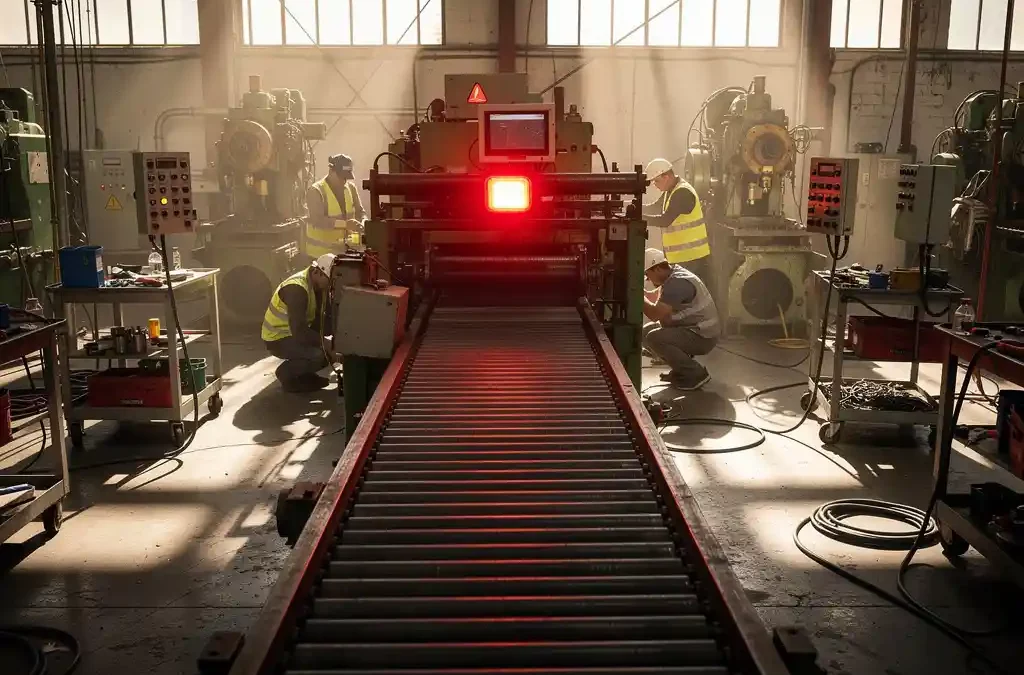
To identify production bottlenecks in a factory, observe where delays occur in the production line and analyze data for patterns of inefficiency. Bottlenecks often manifest as stages where work piles up, leading to idle time and reduced throughput. Addressing these bottlenecks can significantly enhance production efficiency and optimize overall performance.
Understanding the root causes of production bottlenecks is crucial for manufacturing efficiency. These constraints can be due to machine limitations, labor shortages, or inefficient processes. In this article, we will explore how to spot these bottlenecks, the tools that can assist in their identification, and strategies for optimization after they are identified.
What are production bottlenecks?
Production bottlenecks are points in the manufacturing process where the flow of production is restricted, causing delays and inefficiencies. These bottlenecks can occur due to limited machine capacity, labor shortages, or inefficient processes, ultimately reducing overall production capacity utilization.
Identifying bottlenecks is essential for improving production efficiency. By understanding where these constraints occur, manufacturers can implement targeted improvements. Common signs of bottlenecks include work-in-progress inventory buildup, extended cycle times, and frequent machine downtime. Addressing these issues can lead to significant gains in production performance.
How can you spot bottlenecks in your production line?
To spot bottlenecks in your production line, monitor where work accumulates and analyze cycle times for each process step. Look for stages where tasks consistently take longer than expected or where there is a buildup of unfinished work. These are indicators of potential bottlenecks.
Regularly reviewing production data can highlight inefficiencies. Tools like value stream mapping can visually represent the flow of materials and information, making it easier to identify where delays occur. Additionally, real-time monitoring systems can provide insights into machine performance and downtime, helping to pinpoint specific areas causing production loss.
What tools help in identifying production bottlenecks?
Tools that help in identifying production bottlenecks include value stream mapping, real-time monitoring systems, and production analytics software. These tools provide visibility into the production process, allowing for detailed analysis of where delays and inefficiencies occur.
Value stream mapping offers a visual representation of the production flow, highlighting areas of waste and delay. Real-time monitoring systems provide data on machine performance and downtime, while production analytics software can analyze trends and patterns to identify recurring bottlenecks. These tools collectively aid in production loss analysis and enhance production optimization efforts.
Why is it important to address production bottlenecks quickly?
Addressing production bottlenecks quickly is important because they can significantly impact production capacity utilization and overall efficiency. Delays caused by bottlenecks lead to increased cycle times, higher operational costs, and reduced output, affecting the bottom line.
Quickly resolving bottlenecks ensures smoother production flow and maximizes resource utilization. This proactive approach prevents minor issues from escalating into major disruptions. Moreover, addressing bottlenecks promptly can lead to improved production performance and competitive advantage in the market.
How can you optimize production after identifying bottlenecks?
After identifying bottlenecks, optimize production by implementing targeted improvements such as process re-engineering, equipment upgrades, or workforce training. These actions can help streamline operations and enhance production efficiency.
Start by prioritizing the most critical bottlenecks that have the greatest impact on production capacity utilization. Consider using lean manufacturing techniques to eliminate waste and improve flow. Additionally, investing in automation and technology can further enhance efficiency. Factorise offers a composable digital shopfloor platform that can assist in these optimization efforts by providing real-time insights and data-driven solutions.
Ready to take the first step? We like to start with a fit-gap session: a day or two to understand where you are, which pain points are most urgent, and which modules deliver the fastest value. Book your first fit-gap session. No sales pitch. Just an honest conversation about what’s realistic.
Related Articles
- How do you connect legacy PLCs to modern software?
- What is OT data and why does it matter to IT teams?
- What is an Andon system and how does it work?
- What is a control tower in manufacturing operations?
- How do manufacturers benchmark their own performance?
- How do you track production performance across multiple shifts?
- How do you use an OEE calculator on the shop floor?
- What is shopfloor management and why does it matter?
- What does a downtime reduction programme look like in practice?
- How do you prevent equipment breakdowns in manufacturing?
- Why is 85% OEE considered world-class?
- What does OEE stand for?
- What is a good OEE score for a manufacturing plant?
- How is OEE calculated?
- What is world-class OEE and how far is the average factory from achieving it?