
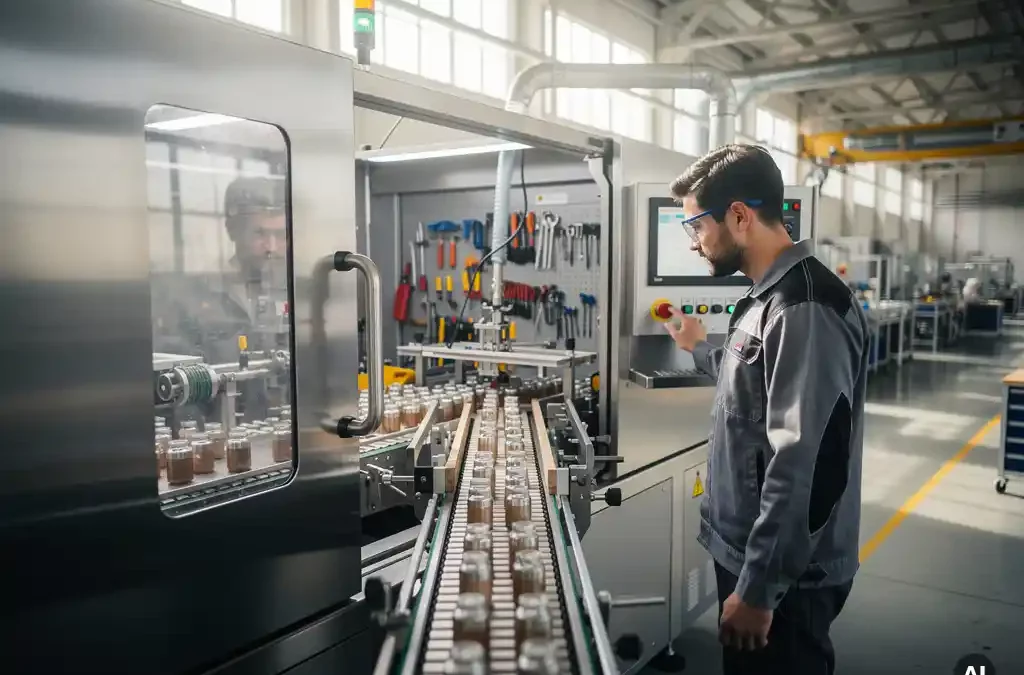
In the world of manufacturing, starting with a pilot line is a strategic move that can make or break the success of new production processes. A pilot line serves as a small-scale version of a full production line, allowing manufacturers to test and refine operations before committing to large-scale implementation. This approach is crucial for minimizing risks, optimizing processes, and ensuring quality control. In this article, we'll explore what a pilot line is, why manufacturers often begin with one, and how to set up a successful pilot line.
Understanding the Concept of a Pilot Line
A pilot line is essentially a scaled-down version of a production line used to test new processes, products, or technologies in a controlled environment. It allows manufacturers to simulate full-scale production without the associated risks and costs. By using a pilot line, manufacturers can identify potential issues and make necessary adjustments before scaling up to full production.
Implementing a pilot line involves setting up equipment and processes that mimic the intended full-scale production. This setup helps in evaluating the feasibility of new manufacturing techniques, ensuring that they meet quality standards and production goals. By doing so, manufacturers can gain valuable insights and data that guide decision-making and process improvements.
Benefits of Starting with a Pilot Line
Starting with a pilot line offers several benefits, including risk reduction and cost savings. By testing new processes on a smaller scale, manufacturers can identify and address potential problems without disrupting full-scale production. This approach minimizes the risk of costly errors and production downtime.
Moreover, a pilot line provides an opportunity for iterative improvements. Manufacturers can experiment with different variables, such as materials, equipment settings, and production techniques, to optimize efficiency and quality. This iterative process leads to better outcomes when the process is eventually scaled up.
How to Set Up a Successful Pilot Line
Setting up a successful pilot line requires careful planning and execution. First, it's important to define clear objectives and metrics for success. This involves identifying the specific processes or technologies to be tested and establishing criteria for evaluating their performance.
Next, manufacturers should select the appropriate equipment and resources for the pilot line. This includes ensuring that the equipment is capable of replicating full-scale production conditions and that the necessary personnel are trained to operate it effectively. Additionally, real-time data collection and analysis are crucial for monitoring performance and making informed adjustments.
Common Challenges Faced in Pilot Line Implementation
While pilot lines offer numerous benefits, they also present challenges that manufacturers must address. One common challenge is the potential for unexpected technical issues. These can arise from equipment malfunctions or process inefficiencies that were not anticipated during the planning phase.
Another challenge is maintaining alignment between the pilot line and full-scale production goals. It's essential to ensure that the insights gained from the pilot line are applicable and scalable to the larger production environment. This requires ongoing communication and collaboration between the pilot line team and other stakeholders.
Case Studies: Successful Pilot Line Implementations
Several manufacturers have successfully implemented pilot lines to enhance their production processes. For instance, a leading automotive company used a pilot line to test a new assembly technique, resulting in a 15% reduction in assembly time and improved product quality. Similarly, a pharmaceutical manufacturer leveraged a pilot line to refine its formulation process, achieving consistent product quality and compliance with regulatory standards.
These case studies demonstrate the potential of pilot lines to drive innovation and efficiency in manufacturing. By learning from these examples, other manufacturers can apply similar strategies to their own operations.
When to Transition from a Pilot Line to Full Production
Deciding when to transition from a pilot line to full production is a critical step in the manufacturing process. This decision should be based on the achievement of predefined objectives and the demonstration of consistent performance on the pilot line. Manufacturers should ensure that the processes are stable, scalable, and capable of meeting production targets before making the transition.
Additionally, it's important to consider the readiness of the organization for full-scale implementation. This includes ensuring that the necessary infrastructure, resources, and personnel are in place to support the transition. By carefully planning and executing this transition, manufacturers can maximize the benefits of their pilot line and achieve successful full-scale production.
Ready to take the first step? We like to start with a fit-gap session: a day or two to understand where you are, which pain points are most urgent, and which modules deliver the fastest value. Book your first fit-gap session. No sales pitch. Just an honest conversation about what's realistic.
Frequently Asked Questions
What are the key components needed to set up a pilot line?
Key components for setting up a pilot line include appropriate equipment that mimics full-scale production, trained personnel to operate the line, and a system for real-time data collection and analysis to monitor performance and make necessary adjustments.
How long should a pilot line be in operation before transitioning to full production?
The duration a pilot line should be in operation depends on achieving predefined objectives and demonstrating consistent performance. It's crucial to ensure that processes are stable, scalable, and capable of meeting production targets before transitioning.
What are some common pitfalls to avoid when implementing a pilot line?
Common pitfalls include inadequate planning, lack of clear objectives, insufficient training for personnel, and failure to align pilot line insights with full-scale production goals. Addressing these issues early can prevent costly mistakes.
How can manufacturers ensure that the pilot line insights are applicable to full-scale production?
Manufacturers can ensure applicability by maintaining alignment between pilot line objectives and full-scale production goals, fostering ongoing communication between teams, and continuously evaluating the scalability of processes tested on the pilot line.
What role does data collection play in the success of a pilot line?
Data collection is crucial for monitoring the performance of the pilot line. It allows manufacturers to make informed adjustments, identify areas for improvement, and ensure that the processes are optimized before scaling up to full production.
Can pilot lines be used for testing new technologies?
Yes, pilot lines are ideal for testing new technologies in a controlled environment. They allow manufacturers to evaluate the feasibility and effectiveness of new technologies before committing to full-scale implementation.
What are the cost implications of setting up a pilot line?
While setting up a pilot line involves initial costs for equipment and resources, it can lead to long-term savings by identifying and addressing potential issues early, thus avoiding costly errors and production downtime in full-scale operations.
Related Articles
- How do you get operator buy-in for new shopfloor software?
- Why do traditional MES projects fail?
- How does a MES improve quality in a factory?
- What is downtime tracking and why does it matter?
- What is a connected worker platform?
- What is lean daily management in manufacturing?
- How do you calculate overall equipment effectiveness manually?
- What is the role of digital tools in reducing labour dependency in manufacturing?
- What are digital work instructions in manufacturing?
- What is a skill matrix in manufacturing?
- How do you track machine downtime in a factory?
- What is MTTR in manufacturing?
- How do you use OEE data to prioritise improvement?
- What causes low OEE in a factory?
- How do you know if your factory is performing as well as it should be?