
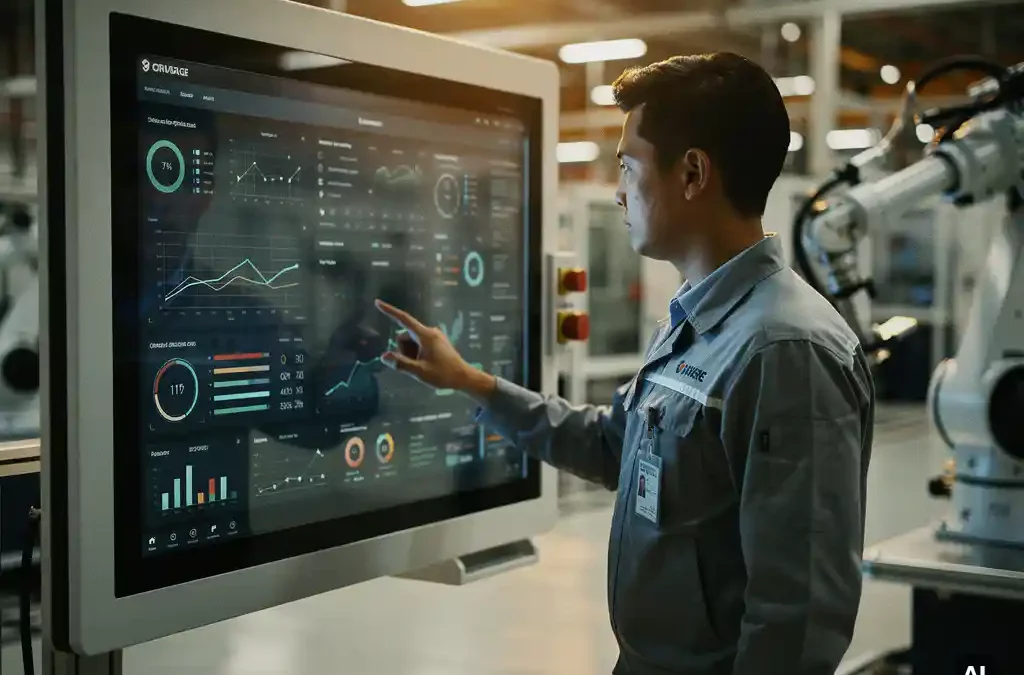
Deploying a shopfloor platform can transform manufacturing operations, but understanding the timeline to go live is crucial for planning. The process involves several stages, each with its own set of tasks and challenges. By breaking down these stages, manufacturers can better prepare for a successful deployment and maximize the benefits of their new system. This article will guide you through the deployment process, factors affecting timelines, preparation strategies, common challenges, and what to expect after launch.
Understanding the Shopfloor Platform Deployment Process
The deployment of a shopfloor platform involves several phases, each designed to ensure a smooth transition. Initially, the focus is on setting up the digital foundation. This phase typically lasts between one and eight weeks and involves replacing manual processes with digital systems for better visibility and standardization. For example, implementing digital shift handovers and live OEE tracking can provide immediate insights into shopfloor operations.
As the foundation is established, the next phase involves expanding data-driven operations. This can take three to nine months and includes integrating more complex processes like digital work instructions and maintenance management. The aim is to create a cohesive system where data from various modules informs decision-making and enhances overall efficiency.
Factors Influencing the Go-Live Timeline
Several factors can influence the timeline for going live with a shopfloor platform. The complexity of the existing infrastructure is a major consideration. For instance, factories with outdated systems may require more time to integrate new technologies. Additionally, the scale of the deployment, such as the number of modules being implemented, can impact the timeline.
Another critical factor is the level of customization required. While some manufacturers may opt for a standard setup, others might need tailored solutions to meet specific operational needs. This customization can extend the deployment timeline but often results in a more effective system that aligns closely with business objectives.
How to Prepare for a Successful Launch
Preparation is key to a successful shopfloor platform launch. Start by conducting a thorough assessment of current processes to identify areas that will benefit most from digitalization. Engaging with stakeholders across different levels of the organization can also provide valuable insights into potential challenges and opportunities.
Training is another essential component. Ensuring that operators and managers are comfortable with the new system can facilitate smoother adoption. Consider phased training sessions that align with the deployment stages, allowing users to gradually adapt to new tools and processes.
Common Challenges and How to Overcome Them
One common challenge in deploying a shopfloor platform is resistance to change. Operators may be hesitant to adopt new technologies, especially if they disrupt established workflows. To address this, involve employees early in the process and clearly communicate the benefits of the new system.
Technical issues can also arise, particularly during integration with existing systems. To mitigate these risks, work closely with IT teams to ensure compatibility and address any technical hurdles promptly. Regular testing throughout the deployment process can help identify and resolve issues before they impact operations.
What to Expect Post-Launch
After the platform goes live, manufacturers can expect to see gradual improvements in efficiency and productivity. Typical results seen in deployments include a 28% boost in productivity and a 20% reduction in costs. These outcomes are achieved through enhanced process control and real-time data insights.
Continuous monitoring and optimization are crucial post-launch. By analyzing performance data, manufacturers can identify areas for further improvement and make informed decisions to refine operations. This ongoing process ensures that the shopfloor platform continues to deliver value long after the initial deployment.
Ready to take the first step? We like to start with a fit-gap session: a day or two to understand where you are, which pain points are most urgent, and which modules deliver the fastest value. Book your first fit-gap session. No sales pitch. Just an honest conversation about what's realistic.
Frequently Asked Questions
What is a shopfloor platform?
A shopfloor platform is a digital system designed to enhance manufacturing operations by replacing manual processes with automated solutions. It integrates various modules such as digital work instructions, maintenance management, and real-time data tracking to improve visibility, efficiency, and decision-making on the shop floor.
How long does it typically take to deploy a shopfloor platform?
The deployment timeline for a shopfloor platform can vary based on several factors, but generally, the initial setup phase takes between one and eight weeks. Expanding data-driven operations can take an additional three to nine months, depending on the complexity and scale of the deployment.
What are the main benefits of implementing a shopfloor platform?
Implementing a shopfloor platform can lead to significant improvements in productivity and cost reduction. Manufacturers often see a 28% boost in productivity and a 20% reduction in costs due to enhanced process control and real-time data insights.
How can manufacturers ensure a smooth transition to a shopfloor platform?
To ensure a smooth transition, manufacturers should conduct a thorough assessment of current processes, engage stakeholders, and provide phased training sessions. Involving employees early and clearly communicating the benefits can also help overcome resistance to change.
What should manufacturers do if they encounter technical issues during deployment?
If technical issues arise during deployment, manufacturers should work closely with IT teams to ensure compatibility and address any hurdles promptly. Regular testing throughout the process can help identify and resolve issues before they impact operations.
Is customization necessary for all shopfloor platform deployments?
Customization is not necessary for all deployments, but it can be beneficial for manufacturers with specific operational needs. While it may extend the deployment timeline, customization often results in a more effective system that aligns closely with business objectives.
What steps can be taken post-launch to maximize the benefits of a shopfloor platform?
Post-launch, manufacturers should focus on continuous monitoring and optimization by analyzing performance data. This ongoing process helps identify areas for further improvement and ensures the platform continues to deliver value.
Related Articles
- How do you choose between buying and building shopfloor software?
- What does a typical shopfloor digitalisation roadmap look like?
- Why do MES implementations take longer than expected?
- Why do traditional MES projects fail?
- What is OPC UA and how does it connect machines to a MES?
- What metrics matter most in a manufacturing operation?
- What is the first step to implementing a MES in a midmarket factory?
- What is tribal knowledge in manufacturing?
- How do you onboard new manufacturing operators faster?
- What is a skill matrix in manufacturing?
- How do you document manufacturing knowledge before it is lost?
- What is production efficiency in manufacturing?
- What is OEE in manufacturing?
- What is performance in OEE?
- What is the difference between a reactive and a proactive manufacturing operation?