
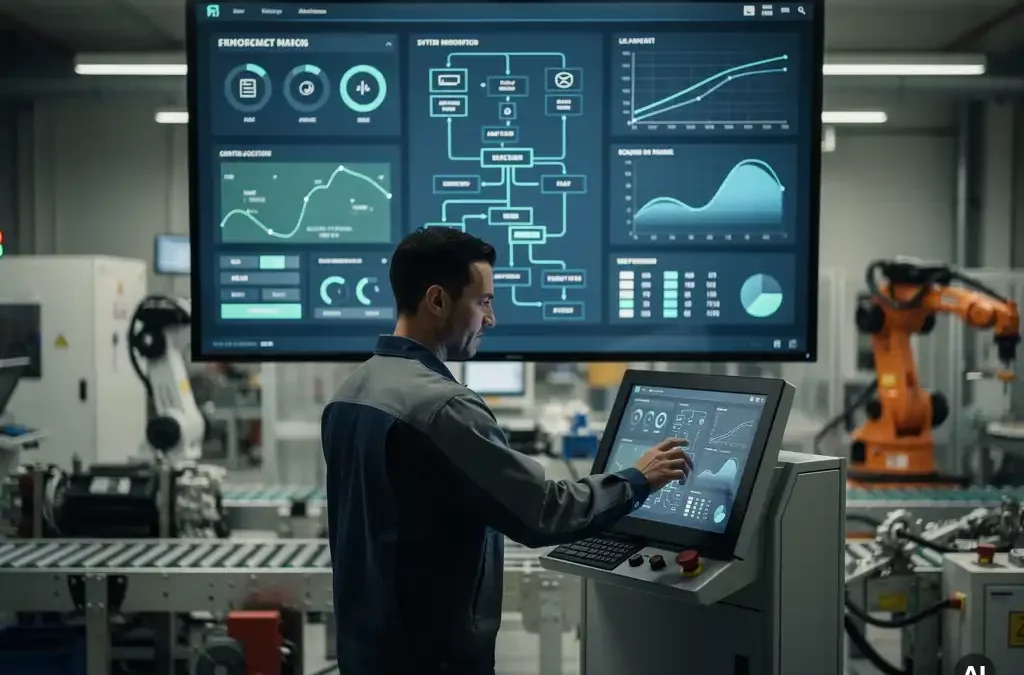
A composable Manufacturing Execution System (MES) is a flexible software platform that allows manufacturers to tailor their digital shop floor solutions to specific needs. Unlike traditional MES, which are often rigid and monolithic, a composable MES provides modular components that can be easily added, removed, or reconfigured. This adaptability is crucial for manufacturers looking to optimize their operations without overhauling their entire system. In this article, we'll explore the fundamentals of a composable MES, its benefits, and how it supports digital transformation in the manufacturing industry.
Understanding the Basics of a Composable MES
A composable MES is designed to be modular, allowing manufacturers to select and implement only the components they need. This system is built on a flexible architecture that supports customization and scalability. By using a composable MES, manufacturers can address specific operational challenges without disrupting existing processes.
Unlike traditional MES, which are often large and complex, a composable MES offers a more streamlined approach. It integrates seamlessly with existing systems like ERP and SCADA, ensuring that data flows smoothly across the organization. This integration allows for real-time monitoring and control of production processes, enhancing efficiency and productivity on the shop floor.
The Benefits of Implementing a Composable MES
Implementing a composable MES offers several advantages. First, it provides the flexibility to adapt to changing business needs. Manufacturers can quickly add new modules or adjust existing ones to meet evolving demands. This adaptability reduces the time and cost associated with system upgrades and expansions.
Additionally, a composable MES enhances operational efficiency by providing real-time insights into production processes. Manufacturers can monitor key performance indicators (KPIs) such as Overall Equipment Effectiveness (OEE) and quickly identify areas for improvement. This data-driven approach leads to better decision-making and improved production outcomes.
How a Composable MES Supports Digital Transformation
A composable MES plays a vital role in supporting digital transformation efforts. By providing a flexible and scalable platform, it enables manufacturers to gradually digitize their operations. This step-by-step approach minimizes disruption and allows for continuous improvement.
Moreover, a composable MES facilitates the integration of advanced technologies such as IoT and AI. These technologies enhance data collection and analysis, providing deeper insights into production processes. As a result, manufacturers can optimize their operations and achieve greater efficiency and productivity.
Key Considerations When Choosing a Composable MES
When selecting a composable MES, manufacturers should consider several factors. First, it's essential to evaluate the system's compatibility with existing infrastructure. A composable MES should integrate seamlessly with current systems to ensure smooth data flow and communication.
Another critical consideration is the system's scalability. Manufacturers should choose a platform that can grow and adapt to their evolving needs. This scalability ensures that the MES remains relevant and effective as the business expands and changes.
Real-World Examples of Composable MES in Action
Many manufacturers have successfully implemented composable MES solutions to enhance their operations. For instance, Pilatus Aircraft reported significant time savings by adopting a composable MES built on Mendix. The platform's modular design allowed them to quickly integrate new functionalities and improve their production processes.
These real-world examples demonstrate the practical benefits of a composable MES. By providing a flexible and scalable solution, manufacturers can address specific challenges and achieve better production outcomes. This adaptability is crucial in today's fast-paced manufacturing environment.
Addressing Common Challenges with Composable MES
While a composable MES offers numerous benefits, manufacturers may encounter challenges during implementation. One common issue is ensuring seamless integration with existing systems. To address this, manufacturers should work closely with their MES provider to ensure compatibility and smooth data flow.
Another challenge is managing the complexity of a modular system. Manufacturers must carefully plan and coordinate the implementation of new modules to avoid disruptions. By taking a strategic approach, manufacturers can effectively manage these challenges and maximize the benefits of a composable MES.
Ready to take the first step? We like to start with a fit-gap session: a day or two to understand where you are, which pain points are most urgent, and which modules deliver the fastest value. Book your first fit-gap session. No sales pitch. Just an honest conversation about what's realistic.
Frequently Asked Questions
What is the primary advantage of using a composable MES over a traditional MES?
The primary advantage of a composable MES is its flexibility and adaptability. Unlike traditional MES, which are often rigid and monolithic, a composable MES allows manufacturers to tailor their systems by adding, removing, or reconfiguring modules as needed. This adaptability is crucial for optimizing operations without needing to overhaul the entire system.
How does a composable MES integrate with existing manufacturing systems?
A composable MES is designed to integrate seamlessly with existing systems such as ERP and SCADA. This integration ensures smooth data flow across the organization, enabling real-time monitoring and control of production processes, which enhances efficiency and productivity.
Can a composable MES support advanced technologies like IoT and AI?
Yes, a composable MES can support advanced technologies such as IoT and AI. By facilitating the integration of these technologies, a composable MES enhances data collection and analysis, providing deeper insights into production processes and enabling manufacturers to optimize operations.
What should manufacturers consider when selecting a composable MES?
Manufacturers should consider the system's compatibility with existing infrastructure, its scalability to grow with the business, and the ease of integrating new modules. Ensuring the MES can adapt to evolving needs is crucial for maintaining its relevance and effectiveness.
What are some common challenges faced during the implementation of a composable MES?
Common challenges include ensuring seamless integration with existing systems and managing the complexity of a modular system. Manufacturers should work closely with their MES provider to ensure compatibility and plan strategically to coordinate the implementation of new modules.
How does a composable MES enhance decision-making in manufacturing?
A composable MES enhances decision-making by providing real-time insights into production processes. By monitoring key performance indicators (KPIs) such as Overall Equipment Effectiveness (OEE), manufacturers can quickly identify areas for improvement and make data-driven decisions to enhance production outcomes.
Why is scalability important in a composable MES?
Scalability is important because it ensures that the MES can grow and adapt to the evolving needs of the business. As manufacturers expand and their requirements change, a scalable MES remains effective and relevant, supporting continuous improvement and digital transformation efforts.
Related Articles
- What is Industry 4.0 and what does it mean in practice?
- What is a fit-gap analysis before an MES implementation?
- What is a control tower in manufacturing operations?
- Why do MES implementations take longer than expected?
- What is the business case for a MES?
- How does a MES improve quality in a factory?
- What is the difference between a MES and a QMS?
- How do you reduce waste in a production process?
- What is lean manufacturing and how does it work?
- What is lean daily management in manufacturing?
- How do you onboard new manufacturing operators faster?
- How do you prevent equipment breakdowns in manufacturing?
- What is a loss Pareto in manufacturing?
- What does OEE stand for?
- What are the three components of OEE?