
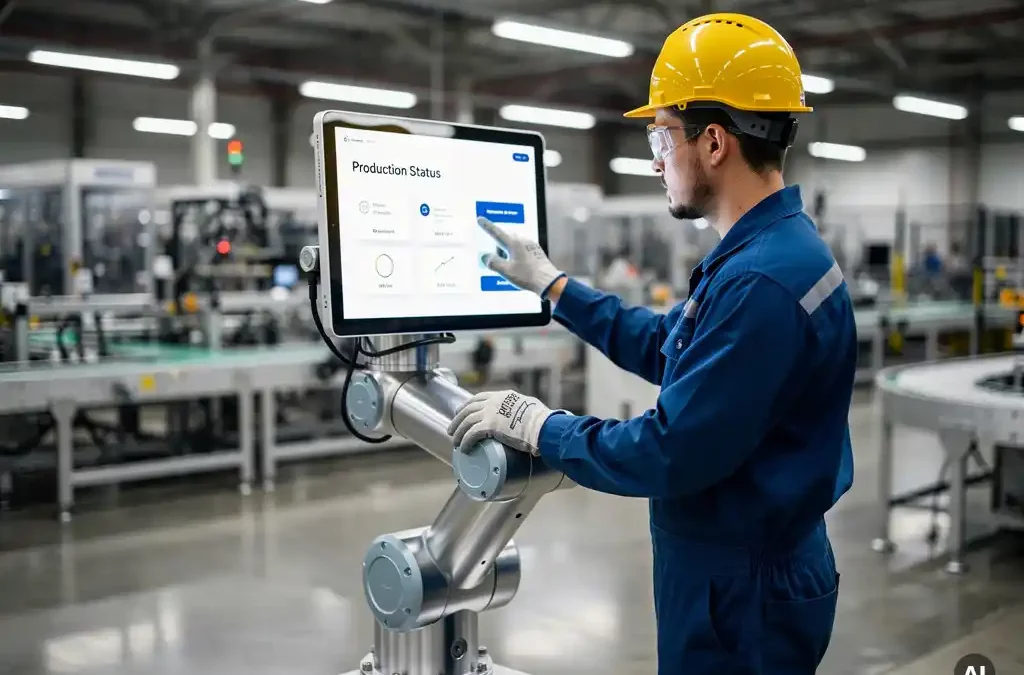
Rolling out shopfloor software can be a daunting task, especially when you aim to maintain production continuity. The key to a successful implementation lies in a stepwise approach that minimizes disruption. This method allows for gradual adaptation, ensuring that operators on the shopfloor can integrate new tools into their daily routines without overwhelming them. By focusing on non-disruptive implementation, manufacturers can achieve significant improvements in productivity and cost savings.
Understanding the Challenges of Shopfloor Software Implementation
Implementing shopfloor software in a manufacturing environment comes with its own set of challenges. One of the primary hurdles is ensuring that the software meets the needs of the operators who will use it daily. Systems designed for IT or management often fail on the shopfloor because they don't align with the operators' workflows or because they add unnecessary complexity.
Another significant challenge is the "big bang" approach, where everything is launched simultaneously. This method often leads to resistance from operators who are suddenly faced with multiple new systems to learn. Instead, a phased rollout, where one module is introduced at a time, allows operators to adapt gradually and see the value of each tool before moving on to the next.
Strategies for a Smooth Software Rollout
A smooth software rollout begins with understanding the specific needs of your shopfloor. Start by identifying the most pressing pain points and choose a software solution that addresses these issues directly. This targeted approach ensures that the first module implemented delivers immediate value, creating momentum for further adoption.
Training is another critical component. Providing comprehensive training sessions that focus on practical application rather than theoretical knowledge helps operators feel confident in using the new software. Additionally, maintaining open lines of communication throughout the rollout process allows for feedback and adjustments, ensuring that the software continues to meet the needs of the operators.
The Role of Digital Transformation in Manufacturing
Digital transformation plays a pivotal role in modern manufacturing by enhancing efficiency and productivity. By integrating digital tools into the shopfloor, manufacturers can achieve real-time visibility into operations, enabling quicker decision-making and problem-solving.
For instance, implementing a digital lean management system can streamline daily operations, reduce waste, and improve overall equipment effectiveness (OEE). This transformation not only optimizes current processes but also lays the groundwork for continuous improvement, ensuring long-term success.
Case Studies of Successful Software Rollouts
Several manufacturers have reported significant improvements following a phased software rollout. For example, one company experienced a 28% boost in productivity by implementing digital work instructions that streamlined shift handovers and reduced changeover times.
Another manufacturer saw a 20% reduction in costs by using digital standard work to minimize waste and rework. These case studies highlight the tangible benefits of a well-planned software rollout, demonstrating how targeted solutions can lead to substantial operational improvements.
Preparing Your Team for Change
Preparing your team for change is crucial to the success of any software implementation. Start by involving key stakeholders in the decision-making process to ensure that the chosen software aligns with the team's needs and goals. This involvement fosters a sense of ownership and increases buy-in from the start.
Additionally, providing ongoing support and resources helps ease the transition. Regular check-ins and feedback sessions allow for continuous improvement and adaptation, ensuring that the software remains a valuable tool for operators.
Evaluating Software Solutions for Your Shopfloor
When evaluating software solutions, consider factors such as ease of use, scalability, and integration capabilities. A solution that is intuitive and easy to navigate will encourage adoption among operators, while scalability ensures that the software can grow with your business.
Integration capabilities are also essential. The software should seamlessly connect with existing systems to provide a cohesive digital ecosystem. This connectivity enhances data flow and ensures that all aspects of the shopfloor are aligned and working towards common goals.
Ready to take the first step? We like to start with a fit-gap session: a day or two to understand where you are, which pain points are most urgent, and which modules deliver the fastest value. Book your first fit-gap session. No sales pitch. Just an honest conversation about what's realistic.
Frequently Asked Questions
What are the common pitfalls to avoid during shopfloor software implementation?
Common pitfalls include not involving operators in the decision-making process, choosing software that doesn't align with current workflows, and attempting a "big bang" implementation instead of a phased approach. Avoiding these can lead to a smoother transition.
How can I ensure that shopfloor software is user-friendly for operators?
To ensure user-friendliness, involve operators in the evaluation process, prioritize intuitive interfaces, and provide comprehensive training focused on practical applications rather than theoretical concepts.
What role does feedback play in the software rollout process?
Feedback is crucial for continuous improvement. It helps identify areas where the software may not be meeting operator needs, allowing for timely adjustments and ensuring the software remains a valuable tool.
How do I measure the success of a shopfloor software implementation?
Success can be measured by evaluating key performance indicators (KPIs) such as productivity improvements, cost reductions, and operator satisfaction. Regularly reviewing these metrics helps assess the software's impact.
What are the benefits of integrating digital tools into the shopfloor?
Integrating digital tools enhances real-time visibility, improves decision-making, reduces waste, and boosts overall equipment effectiveness (OEE). These benefits lead to increased efficiency and productivity.
How can digital transformation support continuous improvement in manufacturing?
Digital transformation supports continuous improvement by providing real-time data and insights, enabling quick adjustments and optimizations. This ongoing process helps maintain competitiveness and drive long-term success.
What should be considered when choosing software for scalability and integration?
Consider the software's ability to grow with your business and its capability to seamlessly integrate with existing systems. This ensures a cohesive digital ecosystem that supports future expansion and operational alignment.
Related Articles
- How do you manage non-conformances in production?
- What is production cascade and how does it support daily management?
- How do manufacturers benchmark their own performance?
- Why does shift handover cause production losses?
- What is the six big losses model in manufacturing?
- How do you reduce operator errors on the shopfloor?
- How do you build a maintenance plan for manufacturing equipment?
- How do sensors reduce machine downtime in a factory?
- Why does the same machine keep breaking down?
- What are the most common causes of machine downtime in a factory?
- What is the difference between planned and unplanned downtime?
- How do you prevent equipment breakdowns in manufacturing?
- How to reduce downtime in manufacturing?
- How is OEE calculated?
- How do you calculate availability in OEE?