
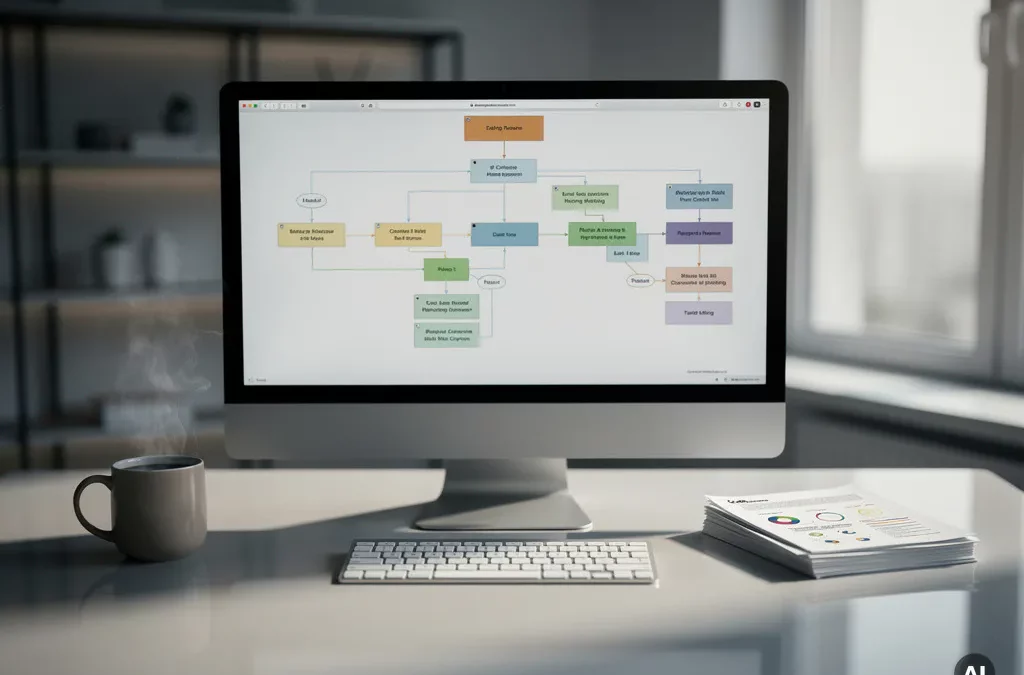
In the manufacturing world, efficiency and precision are paramount. The concept of a production cascade is a crucial element in achieving these goals. It involves visualizing key performance indicators like Overall Equipment Effectiveness (OEE), output, and downtime across various production lines and shifts. This visualization cascades from individual machines to entire lines and ultimately to the entire site, providing a comprehensive view of production performance. Understanding how production cascade supports daily management can significantly enhance operational efficiency and decision-making processes on the shop floor.
Understanding Production Cascade
Production cascade is a method that allows manufacturers to visualize and monitor production metrics in real time, from individual machines up to the entire production site. This system is crucial for maintaining a clear and continuous overview of operations, ensuring that any issues can be quickly identified and addressed. By cascading information from the machine level to the site level, production cascade helps in maintaining a seamless flow of information, which is vital for efficient manufacturing operations.
In practice, production cascade involves the use of dashboards and visual tools that display real-time data on production metrics. This data includes OEE, output rates, and downtime statistics, which are crucial for making informed decisions. With production cascade, operators and managers can quickly pinpoint areas of concern and take corrective actions, thereby minimizing disruptions and optimizing productivity.
The Importance of Daily Management in Manufacturing
Daily management in manufacturing is a structured approach to overseeing daily operations and ensuring that production goals are met consistently. It involves regular stand-up meetings at various organizational levels to discuss key performance indicators (KPIs) and address any issues that may arise. This tiered system of management helps in maintaining focus on safety, quality, delivery, environment, engagement, and cost, collectively known as the SQDEC dimensions.
Effective daily management is essential for maintaining operational discipline and fostering continuous improvement. It ensures that all team members are aligned with the production goals and are actively participating in problem-solving and decision-making processes. By integrating daily management practices, manufacturers can enhance communication, streamline processes, and drive performance improvements across the board.
How Production Cascade Supports Daily Management
Production cascade plays a pivotal role in supporting daily management by providing real-time visibility into production metrics. This visibility enables managers to make data-driven decisions, identify trends, and address issues before they escalate. With a clear view of production performance, teams can focus on continuous improvement and optimize resource allocation effectively.
Furthermore, production cascade enhances the effectiveness of daily stand-up meetings by providing accurate and up-to-date information. This ensures that discussions are focused on actionable insights rather than data accuracy. By leveraging production cascade, manufacturers can create a culture of accountability and continuous improvement, which is essential for achieving long-term success.
Implementing Production Cascade in Your Operations
Implementing a production cascade system requires careful planning and execution. The first step is to identify the key metrics that need to be monitored and ensure that the necessary data collection infrastructure is in place. This may involve integrating various data sources, such as machines, sensors, and ERP systems, to provide a comprehensive view of production performance.
Once the data infrastructure is established, the next step is to configure dashboards and visual tools that display the relevant metrics in an intuitive and accessible manner. It's important to ensure that these tools are tailored to the specific needs of different user groups, such as operators, supervisors, and plant managers. By providing the right information to the right people at the right time, production cascade can significantly enhance decision-making and operational efficiency.
Overcoming Common Challenges in Production Cascade Implementation
One of the common challenges in implementing production cascade is ensuring data accuracy and consistency. This requires robust data collection and integration processes to avoid discrepancies and ensure that all stakeholders have access to reliable information. Additionally, it's important to provide adequate training and support to ensure that all team members are comfortable using the new system and understand its benefits.
Another challenge is managing the change process and ensuring that the new system is embraced by all team members. This involves clear communication of the benefits and objectives of the production cascade system, as well as ongoing support and engagement to address any concerns or resistance. By fostering a positive and collaborative environment, manufacturers can overcome these challenges and successfully implement production cascade in their operations.
Real-World Examples of Production Cascade Success
Many manufacturers have successfully implemented production cascade systems and achieved significant improvements in operational efficiency and productivity. For example, in similar environments, teams have seen a 5-8-point improvement in OEE within 6-12 months of deploying real-time OEE visibility. Additionally, operations with live dashboards have reported a 30% faster response to downtime, enabling them to address issues more effectively and minimize disruptions.
These success stories highlight the potential of production cascade to drive performance improvements and enhance decision-making processes on the shop floor. By leveraging real-time data and insights, manufacturers can optimize their operations and achieve sustainable growth and success. For more information on digital manufacturing, you can visit our page on **digital manufacturing**.
Ready to take the first step? We like to start with a fit-gap session: a day or two to understand where you are, which pain points are most urgent, and which modules deliver the fastest value. **Book your first fit-gap session**. No sales pitch. Just an honest conversation about what's realistic.
Frequently Asked Questions
What are the key benefits of using a production cascade system in manufacturing?
A production cascade system provides real-time visibility into production metrics, enabling data-driven decision-making and quick identification of issues. It helps optimize resource allocation, enhances communication, and supports continuous improvement, leading to increased efficiency and productivity.
How does production cascade differ from traditional production monitoring systems?
Unlike traditional systems that may provide delayed or isolated data, a production cascade offers a comprehensive, real-time view of production metrics across all levels, from individual machines to the entire site. This integrated approach facilitates better decision-making and operational efficiency.
What are some common pitfalls to avoid when implementing a production cascade system?
Common pitfalls include neglecting data accuracy, failing to integrate all necessary data sources, and inadequate training for team members. It's crucial to ensure robust data collection processes, comprehensive integration, and sufficient training to maximize the system's benefits.
How can production cascade improve daily management meetings?
Production cascade provides accurate, up-to-date data that enhances the focus and effectiveness of daily management meetings. By having real-time insights, teams can concentrate on actionable items and strategic improvements rather than verifying data accuracy.
What steps should be taken to ensure successful adoption of a production cascade system?
Successful adoption involves clear communication of the system's benefits, comprehensive training, and ongoing support. Engaging team members early in the process and addressing any concerns or resistance can foster a positive environment for change.
Can production cascade be integrated with existing manufacturing systems?
Yes, production cascade can be integrated with existing systems such as ERP, MES, and SCADA. This integration allows for a seamless flow of information and ensures that all relevant data is captured and utilized effectively.
What role does technology play in the effectiveness of a production cascade system?
Technology is crucial as it enables real-time data collection, integration, and visualization. Advanced technologies like IoT and cloud computing enhance the system's capabilities, allowing for more accurate and comprehensive monitoring of production processes.
Related Articles
- Why do MES implementations take longer than expected?
- How do manufacturers benchmark their own performance?
- How do you reduce waste in a production process?
- How do you justify a MES to a board or CFO?
- What is tribal knowledge in manufacturing?
- What happens when an experienced operator leaves and takes their knowledge with them?
- How do you prevent knowledge loss when key employees retire?
- How do you make sure the right operator is doing the right task?
- What is a skill matrix in manufacturing?
- What is a connected worker and what tools do they use?
- How do you reduce the time it takes to fix a machine on the shopfloor?
- What is an escalation process for production issues?
- What are the most common causes of machine downtime in a factory?
- How do you use OEE data to prioritise improvement?
- What is world-class OEE and how far is the average factory from achieving it?